


Key Points:
- Sibling relationships may change when one child receives ABA therapy due to schedule changes, different routines, and increased adult attention.
- Early explanations, one-on-one time with each child, and bringing sibling concerns to caregiver training can help maintain family balance.
- They can also help protect connections between brothers and sisters.
When one child starts ABA support at home, things change. Session times cut into dinner. Rewards work differently. One child gets more prompts, more reminders, more step-by-step explanations.
Siblings often pick up on this faster than we do. They might notice when things feel different, or wonder why the rules seem to bend for one person but not them. These questions, the ones they don't always ask out loud, can quietly reshape sibling relationships in ways that caregivers don't always see right away.

How Sibling Relationships Can Shift When One Child Receives ABA Therapy
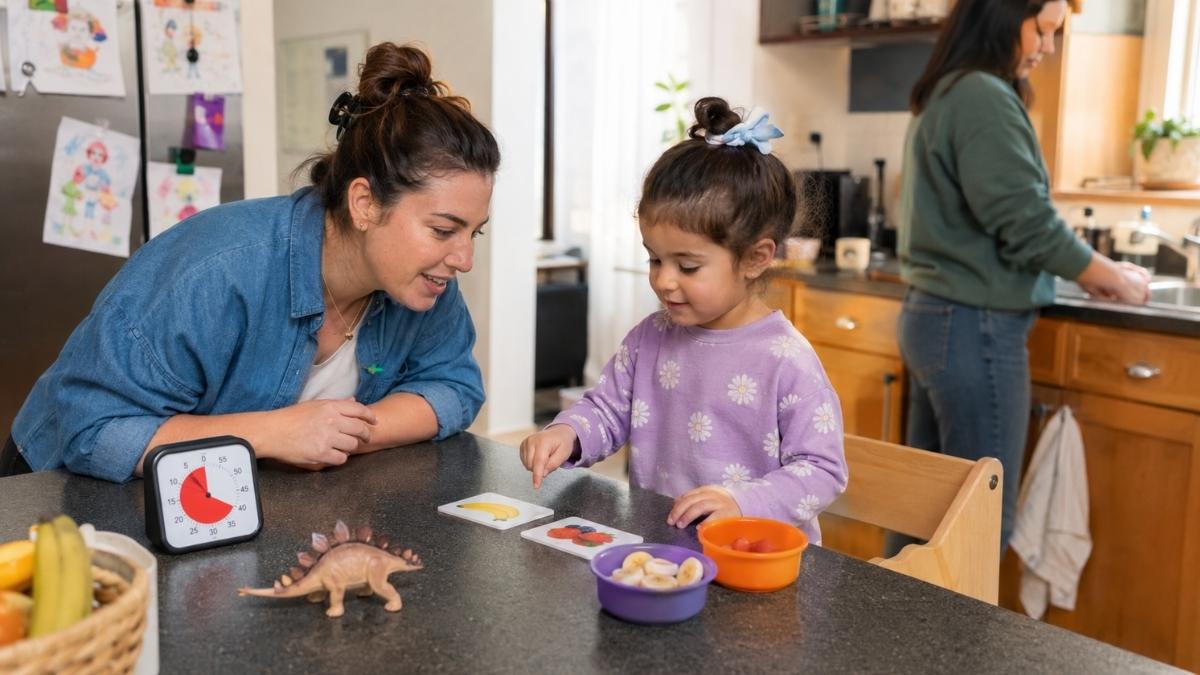
One child’s therapy schedule can shape the whole household. A sibling may notice when certain times are off-limits, when one kid gets more prompts from adults, or when a routine can't change because a session's coming up. From their perspective, it can look like someone's getting special treatment.
Here's what they're often picking up on:
- Sessions bumping dinner, errands, or family plans
- One child getting more reminders or praise throughout the day
- Different rules around transitions, screen time, or rewards
- Adults pausing what they're doing to focus on therapy goals
A simple explanation can help. Frame it as what that child needs, not favoritism. That small shift in language can ease pressure inside the home and protect sibling relationships.
This is happening in more homes than you might think. CDC data from 2022 shows that 1 in 31 8-year-olds in the U.S. has been identified with autism. You're not alone in figuring this out.
What Siblings May Notice, Wonder, Or Misread at Home
A sibling may not always say what they are thinking. Silence can look like coping, but it can also mean a child is still trying to sort things out.
Some siblings may wonder:
- Why does my brother get extra help?
- Why do plans change around session time?
- Why do adults talk differently to my sister?
- Why do rules seem the same on some days and different on other days?
Mixed feelings can show up at the same time. A sibling may feel proud when they see progress, only to be frustrated when family routines change again that evening. Another child may hold in their feelings because they do not want to add to the stress.
Early check-ins can help because sibling experiences are often layered, not simply good or bad. A 2025 systematic review of 30 studies found both positive outcomes, including empathy and resilience, and negative outcomes, including anxiety, depression, and social difficulties. That is one reason regular conversation can help before small concerns grow.
How To Explain ABA Therapy And Explaining Autism In Simple Terms
A long explanation is usually not necessary. A short, fair explanation often works better, especially when it matches the sibling’s age.
For a younger child, it may sound like this:
“Your brother learns some things in a different way, so he gets extra practice and support.”
For an older child, it may sound like this:
“ABA therapy is one kind of support that can help with communication, routines, and daily skills.”
Many siblings understand better when they hear examples they can picture in daily life, like noise, waiting, changes in plans, or trouble saying what they need. A caregiver also does not need to explain everything in one conversation. More questions may come later, and that is normal.
A family may also hear questions about whether autism can run in families. A 2024 Pediatrics study followed 1,605 infants with an older sibling on the spectrum and found that 20.2% were later identified as autistic. Having that number handy lets you answer calmly with facts, without making it feel scary.

Ways To Protect Family Balance Without Turning Siblings Into Helpers
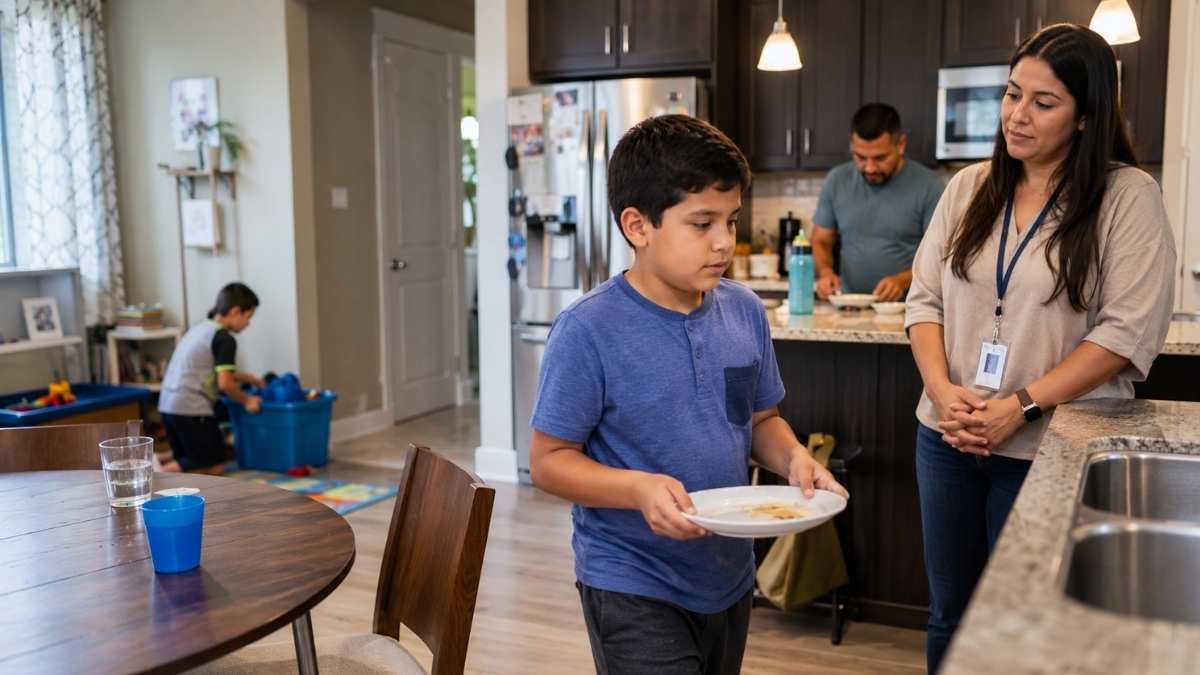
A sibling can be included without being given a job. That difference is important. Many children want to help, but they should not feel responsible for carrying therapy into home life.
A few useful ways to protect family balance and support inclusive parenting may include:
- Keeping one short one-on-one routine with each child each week
- Explaining why some supports look different without saying sorry for them
- Letting siblings join small moments if they want to, instead of giving them a role
- Praising effort across all children, not only the child in therapy
- Protecting the sibling’s own hobbies, play, and time with friends
Shared house rules can still stay in place, even if one child has extra support around certain skills. That can help the home feel steadier. A sibling may handle the week better when they know they are still getting time, attention, and simple routines that belong to them, too.
When To Bring Sibling Concerns To The BCBA During Caregiver Training
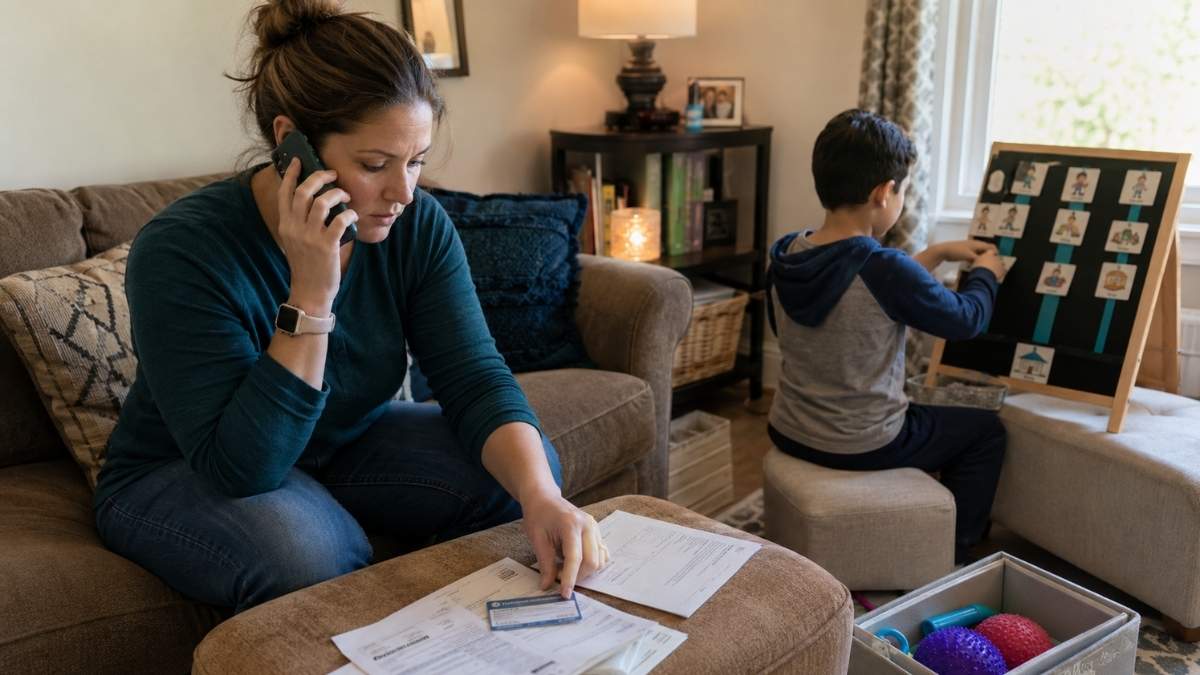
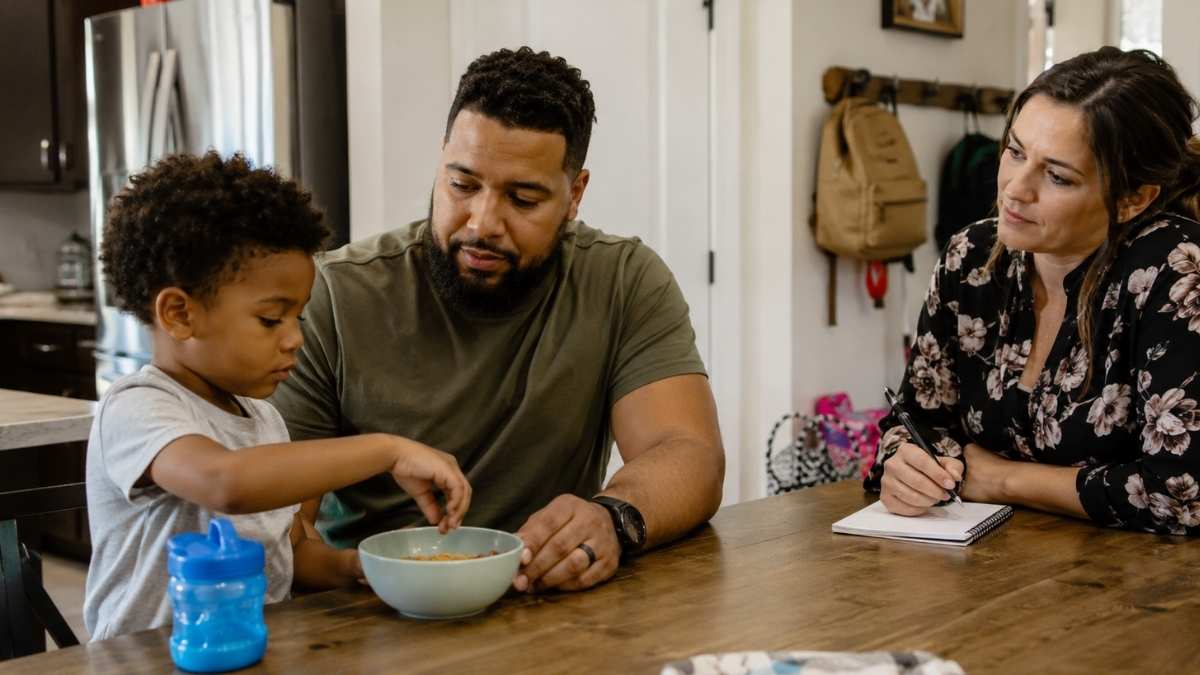
Sibling concerns do not have to wait until things feel big. Regular caregiver training can be the best place to raise what is happening at home because it gives you a direct time to ask questions and get language that fits real routines.
Helpful questions may include:
- How do we explain session time to siblings?
- Should siblings join any part of the practice at home?
- How do we keep rules fair without making them identical?
- What can help when one child feels left out?
- What should we do if a sibling starts copying behaviors?

FAQs About Supporting Siblings During ABA Therapy
Should siblings sometimes join ABA therapy sessions?
Yes, siblings can sometimes join small parts of an ABA session when the BCBA recommends it. Short, planned involvement may support sibling interaction in a healthy way. Still, siblings should not be treated like helpers or feel pressure to carry therapy roles at home.
What are the signs a sibling may need extra support at home?
A sibling may need extra support if they keep getting upset about therapy time, pull away from family routines, show changes in sleep or school, or say that things do not feel fair at home. Mixed feelings are common. Early check-ins can help before those feelings get harder to manage.
What should caregivers tell the BCBA about sibling issues?
Bring up anything that's affecting routines, fairness, safety, or how things work at home. Good examples include conflicts around rewards, siblings copying behaviors, wanting to join in on activities, or needing better ways to explain what's happening.
Support Every Child At Home
One child’s support plan can shape the whole household, so siblings often do better when changes are explained early, and family routines still leave room for them. A little clarity, a little one-to-one time, and the right questions during caregiver training can help the home feel more balanced.
At Aluma Care, we work with families in Kansas and New Hampshire and offer ABA therapy with regular caregiver training built around real daily life. Our team can help you talk through sibling concerns, explain changes in a simple way, and find practical ideas that fit your home.
Reach out to us to learn how we may support your child and your family as a whole.
────────
EDITOR’S NOTE: Content written by an outsourced marketing team. Information is for educational purposes only and does not replace professional clinical or medical advice.











.png)


.png)