


Key Points:
- ABA potty training strategies for autistic children often include using visual schedules and gradually increasing sit time.
- They also include matching toilet trips to natural body patterns and offering immediate, motivating rewards.
- Teaching clear bathroom requests, addressing sensory needs, and adjusting plans based on accidents or progress help build independence and reduce stress for families.
Research shows that many autistic children reach continence later than their peers, and toileting resistance is common. One large study found that about 49% of preschoolers with autism had toileting resistance, compared with 23.6% of children with other developmental delays and 8% of children in the general population. Toileting is hard, but it is teachable.
The strategies below focus on potty training for children with autism using ABA principles through in-home ABA therapy and everyday routines. We’ll walk you through how to break skills into steps, using reinforcement wisely, and working alongside a behavioral technician so everyone uses the same plan.

1. Use a Clear, Visual Toilet Routine
A visual schedule may help autistic children understand what will happen in the bathroom. Pictures or simple words can show each step: walk to bathroom, pants down, sit, void, wipe, flush, pants up, wash hands.
- Post the visual near the toilet at the child’s eye level.
- Point to each step and label it briefly during practice.
- Keep the sequence the same across home, school, and community when possible.
Visuals help children who are non-vocal or who use Augmentative and Alternative Communication (AAC), because they let you use fewer spoken words for a skill that already takes a lot of effort.
2. Shape Sitting Time Gradually
Long forced sits often backfire. ABA uses shaping, which means reinforcing small steps toward a bigger skill.
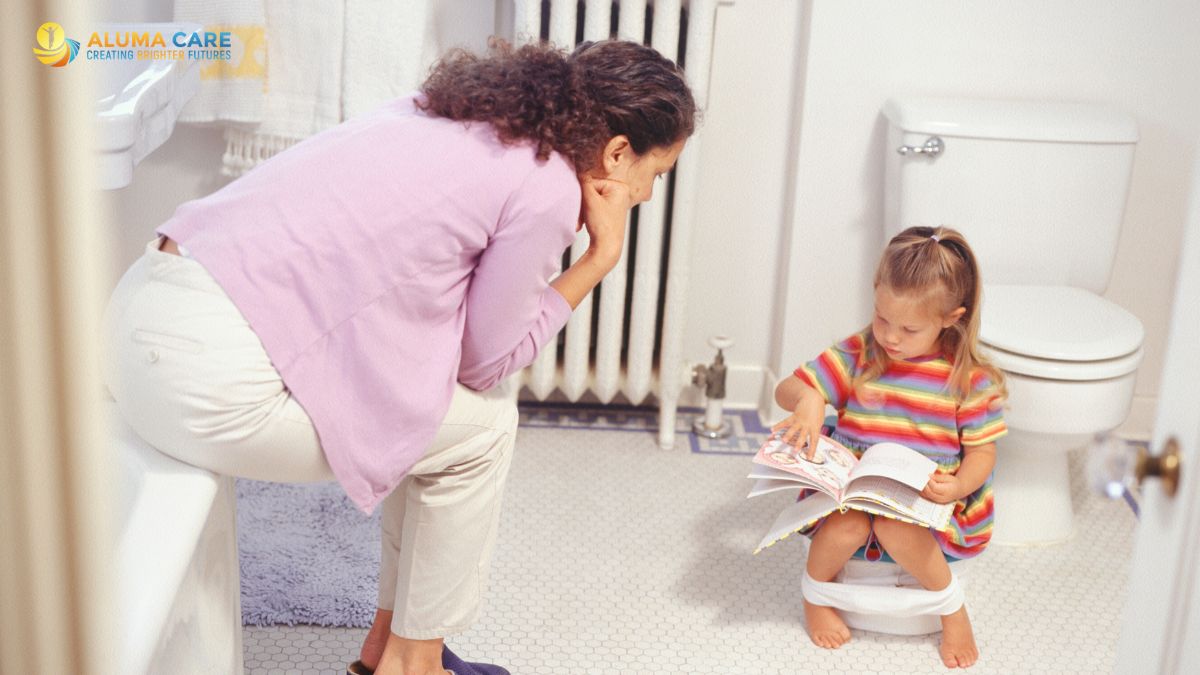
- Start with very short sits, such as 10–20 seconds, and praise or reward calm sitting.
- Increase the time by small amounts as the child succeeds.
- Pair sitting with quiet activities the child enjoys, like a favorite book or a simple sensory toy used only in the bathroom.
Short, successful sits build trust and make the bathroom feel more predictable than stressful.
3. Match Schedules to the Child’s Body
ABA therapy services for toilet training in autism work best when sit times match the child’s natural patterns and when the child feels the difference between staying dry and getting wet. After a few days in underwear, you can usually see when your child uses the bathroom most often.
- Track wet, dry, and soiled times in a simple chart for at least three days while your child wears cotton underwear during waking hours, if medically appropriate.
- Have your child sit on the toilet a few minutes before they usually void.
- Adjust the schedule if patterns change due to illness, growth, or medication.
- Keep underwear as the default during training so accidents feel uncomfortable and stand out from dry periods, using diapers or pull-ups mainly for sleep or longer outings as needed.
Behavior-analytic research on toilet training procedures shows that wearing underwear is often the key part that drives improvement, more than dense sit schedules or reinforcement alone, and that combining underwear use with structured schedules and rewards can help children reach continence even when earlier efforts showed little progress.
4. Use Powerful, Immediate Reinforcement
Reinforcement is a core ABA tool. For toilet training, it must be strong, fast, and reserved for bathroom success.
- Choose rewards the child loves, such as a specific snack, a short video, or a special toy.
- Deliver the reward within a few seconds of urinating or having a bowel movement in the toilet.
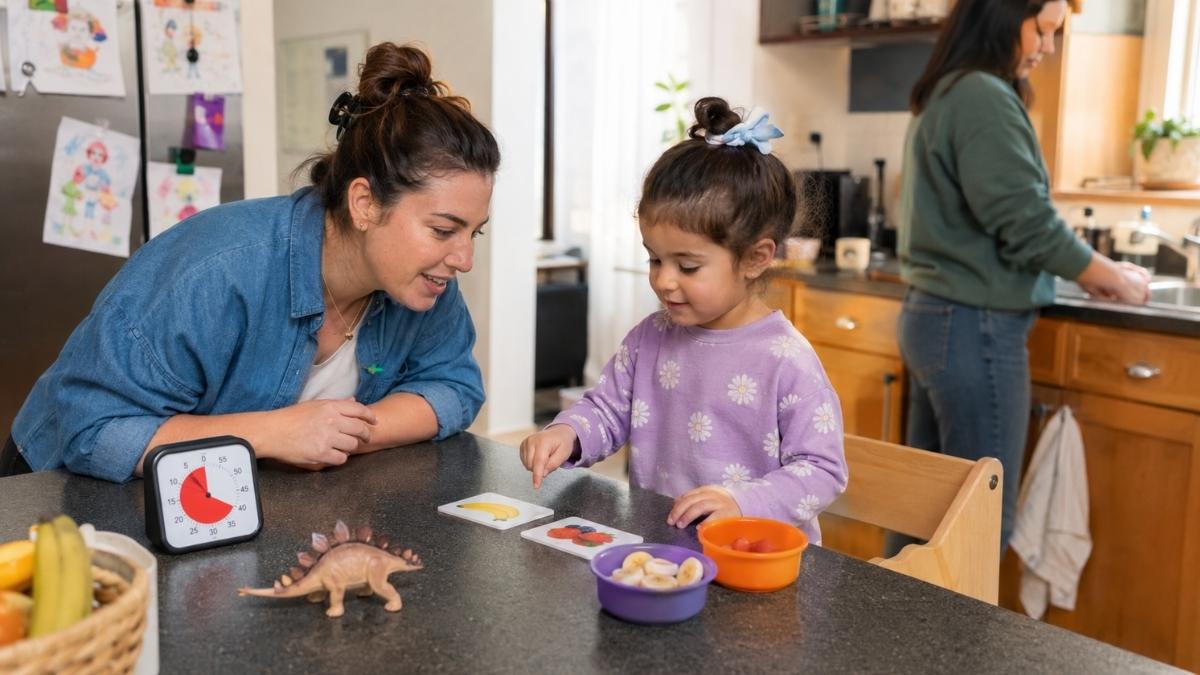
- Use the biggest rewards when your child pees or poops in the toilet, and give smaller praise or small tokens for steps like staying dry between bathroom trips.
Over 50 years of evidence-based ABA therapy and behavior-analytic work show that intensive toilet training with clear reinforcement can be effective for people with developmental disabilities when carefully implemented.
5. Teach a Clear Way to Request the Bathroom
Bathroom independence autism goals include learning how to ask to go. That request may be spoken, signed, pointed, or made through a device. When a child has a hard time saying what they need, toilet training often feels harder, so helping them communicate in any way becomes very important.
- Pick one consistent signal, such as a word, sign, or picture card.
- Practice the signal during calm times, then honor it quickly by going to the bathroom.
- Prompt the signal just before scheduled sits so the child learns to use it proactively.
Requests should be honored as often as possible, even if caregivers are unsure whether the child truly needs to go. This helps the child trust that communication works.
6. Support Sensory Needs in the Bathroom
Sensory sensitivities can turn bathrooms into stressful places. Bright lights, echoing sounds, or cold surfaces may trigger avoidance.
- Adjust lighting, sound, and temperature when possible.
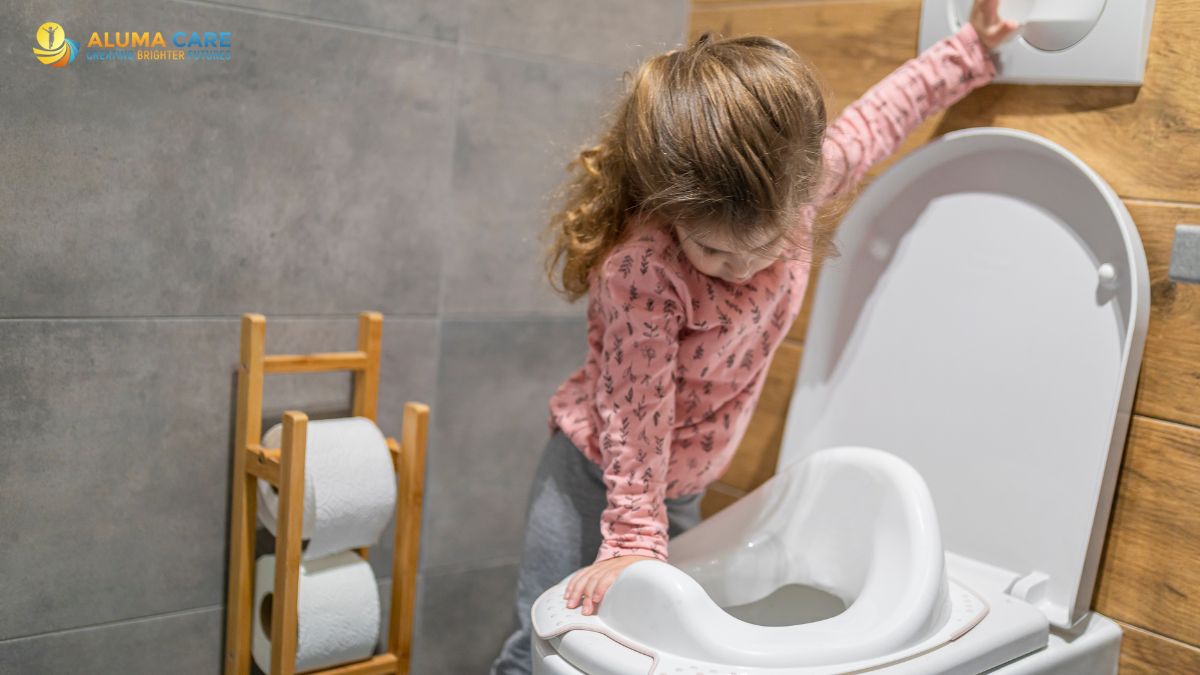
- Offer sensory supports like a footstool for grounding, a soft toilet seat, or noise-cancelling headphones for flushing.
- Let the child gradually explore parts of the bathroom.
A recent article on toileting interventions for autistic children highlights the importance of adapting environments and behavior strategies to support success.
7. Plan for Accidents and Slow Days
ABA looks at accidents as data, and not as failure. Accidents show where supports need to change.
- Calmly guide the child in helping with cleanup at a level they can manage.
- Note what happened right before the accident: Was the child engaged in a favorite activity? Was there a missed cue?
- Share patterns with the behavioral technician so the plan can be adjusted.
A community-based study found that about 49% of preschoolers with autism had toileting resistance during the three months before the study, which shows how common setbacks can be. Adjusting the plan over time is part of effective toilet training ABA, not a sign that the child cannot learn.
How Can ABA Build Bathroom Independence Autism Over Time?
Bathroom independence autism goals extend beyond urinating or having a bowel movement in the toilet. Full independence includes pulling clothing up and down, wiping, flushing, washing hands, and other health and safety skills, such as recognizing internal cues.
ABA uses task analysis to break this chain into small, teachable steps. Caregivers and the behavioral technician decide whether to start with forward chaining (teaching early steps first) or backward chaining (teaching the last step first) based on the child’s strengths. For example, a child who loves water may start by learning to wash hands independently after others help with earlier steps.
Research on individualized ABA programs shows that autistic people can learn complex self-care routines when each step is clear and rewarded. Bathroom skills fit into that same approach. Progress may start with daytime dryness, then move to bowel training, and finally to nighttime continence, depending on the child’s needs and the doctor’s guidance.
One study reported that children with autism reached successful toileting at an average of 3.3 years, compared with 2.5 years for children with other developmental disabilities, showing that progress may be slower but still very possible.
What Does Support From a Behavioral Technician Look Like?
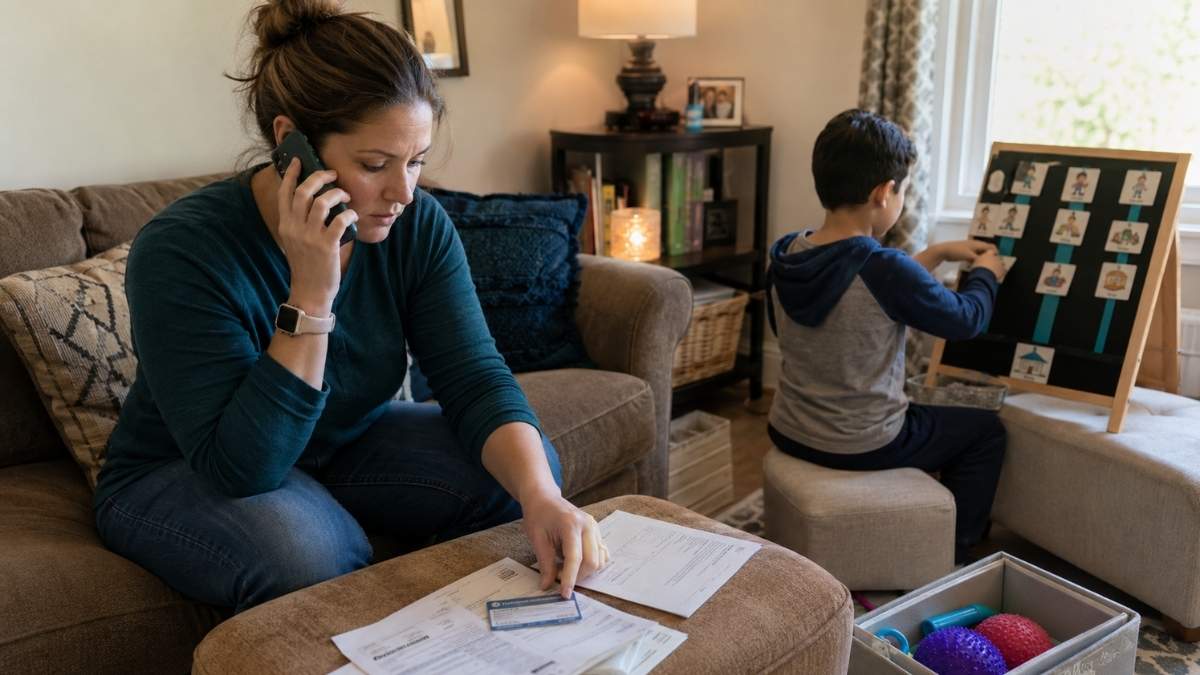
ABA-based toilet training works best when family involvement in ABA therapy and collaboration with a behavioral technician keep everyone sharing data and decisions. Caregiver training sessions, often held weekly or biweekly, provide families with a steady place to review progress and plan next steps.
During these sessions, caregivers and the behavioral technician may:
- Review charts of wet, dry, and soiled intervals.
- Adjust sit schedules, reinforcement, or prompts based on recent trends.
- Troubleshoot new challenges, such as school schedule changes or travel.
A recent paper on toilet training in ABA highlights the need for individualized, family-centered plans rather than one standard protocol for every child. Caregiver training sessions give space for that individualization.
Caregivers may also receive coaching on reading early signs that the child needs to use the bathroom, using consistent language, and applying the same routine at home and in the community. That consistency helps the child generalize skills beyond one bathroom or one adult.
FAQs About ABA and Potty Training
At what age is an autistic child potty trained?
Autistic children are typically potty trained later than neurotypical peers, with research showing an average age of 3.3 years. In comparison, children with other developmental disabilities average 2.5 years. Readiness cues, communication ability, health, and consistent support play a larger role than age alone in determining success.
Does autism make it hard to potty train?
Autism can make potty training more difficult due to medical issues, limited language, and social differences, but it does not prevent success. Autistic children often face higher rates of constipation and incontinence, which contribute to accidents. Structured support and ABA-based methods help address these challenges effectively.
What is the 10-second rule for autism?
The 10-second rule for autism is a communication technique that involves pausing for about 10 seconds after giving a direction or asking a question. This wait allows autistic individuals time to process language and respond, improving understanding and reducing pressure during interactions like toilet training or daily routines.
Support Potty Training Progress Through ABA Care
Toilet training can change daily life for an autistic child and their caregivers. ABA strategies such as visual schedules, shaping, strong reinforcement, and communication support provide structure to a skill that often feels chaotic.
Families who want structured help with ABA therapy services in New Hampshire and Kansas can look for programs that include regular caregiver training and clear collaboration with a behavioral technician. Those elements keep everyone working from the same plan, using consistent prompts and reinforcement at home, school, and in the community.
At Aluma Care, we focus on practical skill-building, steady caregiver coaching, and transparent communication with a behavioral technician so you always know what is happening in your child’s toileting plan and why each step is in place.
The strategies in this guide are general recommendations; research describes additional evidence-based toileting procedures that can be highly effective for increasing adaptive bathroom skills in autistic children when matched to each learner’s profile.
For an individualized toileting plan based on your child’s skills, needs, and goals, contact Aluma Care about ABA services and work with a behavioral technician who can design, test, and adjust a specific procedure suited for your family.
────────
EDITOR’S NOTE: Content written by an outsourced marketing team. Information is for educational purposes only and does not replace professional clinical or medical advice.









.png)


.png)