


Key Points:
- Yes, ABA therapy can help improve autism-related sleep problems by using behavior strategies like consistent routines, reinforcement, and fading caregiver presence.
- ABA targets the specific behaviors and environmental factors that affect sleep.
- It helps children fall asleep faster and stay asleep longer when combined with caregiver training and medical support as needed.
The phrase autism sleep problems covers a wide mix of issues, from taking a long time to fall asleep to frequent night wakings and very early mornings. These patterns show up in many families’ stories and are not simply “bad habits.” They connect to how a child’s brain processes light, sound, routines, and caregiver responses.
Clear information about how ABA therapy services approach sleep gives caregivers a way to decide what to try next. The goal here is to show what ABA can and cannot do and offer concrete next steps you can talk through with your own behavioral technician and medical team.

ABA Perspective on Sleep Challenges at Night
In ABA, instead of seeing “bad nights” in general, a behavioral technician breaks bedtime and waking up at night into small pieces and studies what comes before and after each behavior.
In practice, that means mapping out:
- Antecedents: What happens before the behavior, such as screens in bed, long baths, snacks, or arguments at bedtime
- Behaviors: What the child does, like calling out, leaving bed, hitting the wall, or climbing into a caregiver’s bed
- Consequences: What follows, such as extra cuddles, a drink, time on a phone, or long talks in the hallway
A non-vocal child may still show clear sleep patterns through actions and body language. Crying, pacing, or bringing a caregiver by the hand to the living room in the middle of the night all count as communication.
Data from sleep logs and ABC charts help the team identify which parts of the routine are helping and which might inadvertently reward wakefulness in evidence-based ABA therapy. The plan then aims to:
- Make bedtime and nighttime responses predictable
- Build up cues that mean “time to sleep”
- Reduce rewards for staying awake or leaving bed
Can ABA Strategies Really Improve Sleep Quality?
Several studies show that these strategies can help, especially when families use the plan consistently at home each night. Reviews of sleep programs for autistic children have found that methods such as planned ignoring after a quick safety check and waking a child at set times can reduce how often a child wakes up at night and make it easier to fall asleep.
Guidelines for insomnia in autistic children highlight behavioral strategies and good sleep habits as the first line of care, with medication added when these strategies are not enough, and medical issues have been addressed.
Within ABA programs, sleep training for autism usually centers on teaching children to fall asleep more independently and helping caregivers respond to waking up at night in the same planned way each time. This reflects the ABA therapy success rates when plans stay consistent over time.
Step-By-Step ABA Support for Better Nights
Families often feel more hopeful when they can see what an ABA-based sleep plan might look like in practice. While the exact steps change from child to child, many programs move through similar stages, always shaped by data and caregiver feedback.
1. Clarify Sleep Problems and Goals
Caregivers and the ABA team start by getting specific. Rather than saying “sleep is bad,” they define goals such as “fall asleep within 30 minutes” or “stay in bed all night except for bathroom trips.”
A behavioral technician may ask caregivers to track:
- Bedtime and wake time each day
- How long it takes to fall asleep
- Number and length of night wakings
- Caregiver responses to each waking
This baseline shows where to start and how to measure change.
2. Build a Predictable Bedtime Structure
Next comes the bedtime routine itself. A predictable bedtime routine ABA might involve the same 3 to 5 steps in the same order each night, at about the same time.
Many families include:
- A calming pre-bed activity, such as reading or quiet play
- A short, clear visual schedule or first–then board
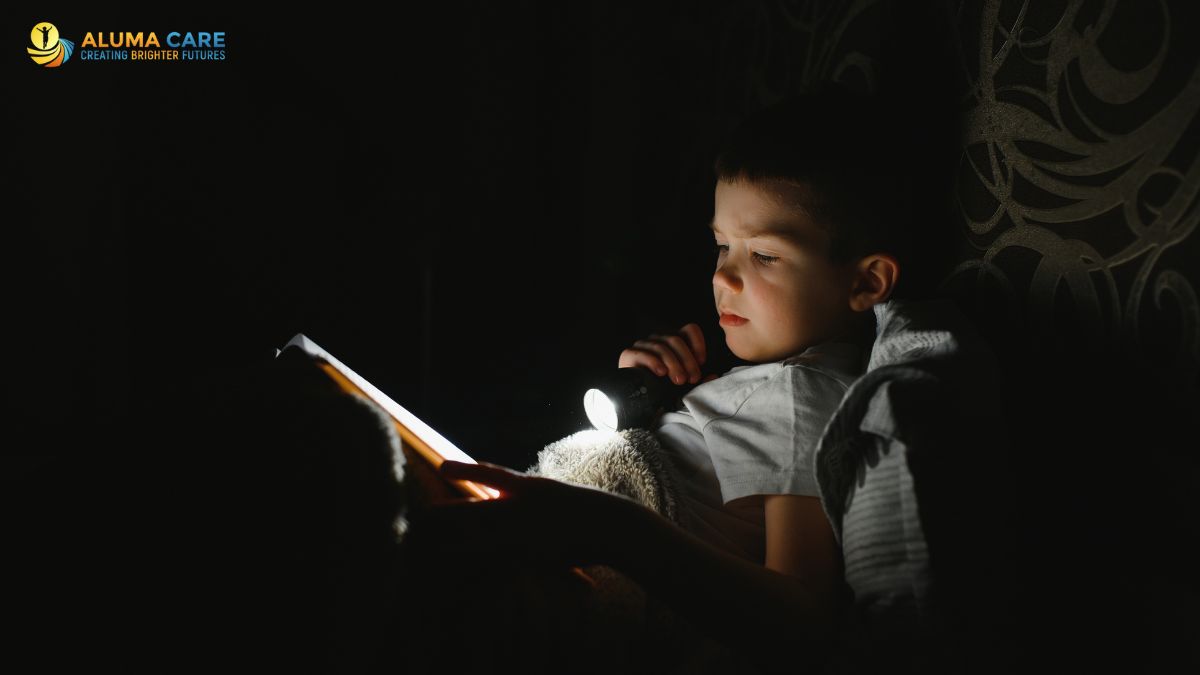
- Limits on screens and bright light in the hour before bed
Research on sleep in children suggests that regular routines and reduced evening light exposure support faster sleep onset and better overall rest. For autistic children, visual supports, simple, repeated language, and sensory tools such as weighted blankets often make these steps easier to follow.
3. Shape Falling Asleep More Independently
Falling asleep tends to be the hardest change. ABA programs usually adjust this in small steps rather than removing support all at once.
Plans may include:
- Gradually moving from lying in bed with the child to sitting farther away
- Using “bedtime fading,” where bedtime is temporarily set closer to the child’s natural sleep time, then shifted earlier once falling asleep is easier
- Offering small rewards in the morning for staying in bed and following the routine
Behavioral studies show that approaches like bedtime fading and reinforcement can reduce sleep onset delays and bedtime struggles in autistic children when caregivers use them consistently.

4. Respond to Night Wakings in a Consistent Way
Waking up at night can undo bedtime progress if responses keep changing. ABA sleep plans give caregivers a script for the middle of the night.
Common elements include:
- Brief check-ins to ensure safety
- Calm, low-attention responses that do not turn into long conversations or extra play
- Returning the child to bed with the same short phrase and routine
By keeping nighttime responses simple and predictable, caregivers reduce the need for extra rewards for being awake at 2 a.m. Over time, many children start linking bed with sleep again rather than with extended interaction.
5. Adjust Daytime Habits That Affect Night Sleep
Sleep is shaped by the whole day, not just bedtime. ABA teams often look at:
- Naps that run too late in the afternoon
- Low physical activity across the day
- Heavy screen use in the evening hours
Children ages 6 to 12 are generally advised to get 9 to 12 hours of sleep per day, while teenagers typically need 8 to 10 hours. When daytime routines support those ranges, nighttime sleep usually becomes smoother. Behavioral technicians may help caregivers set up simple checklists or reinforcement systems for these daytime habits as well.
Behavioral Technicians and Caregiver Training Sessions
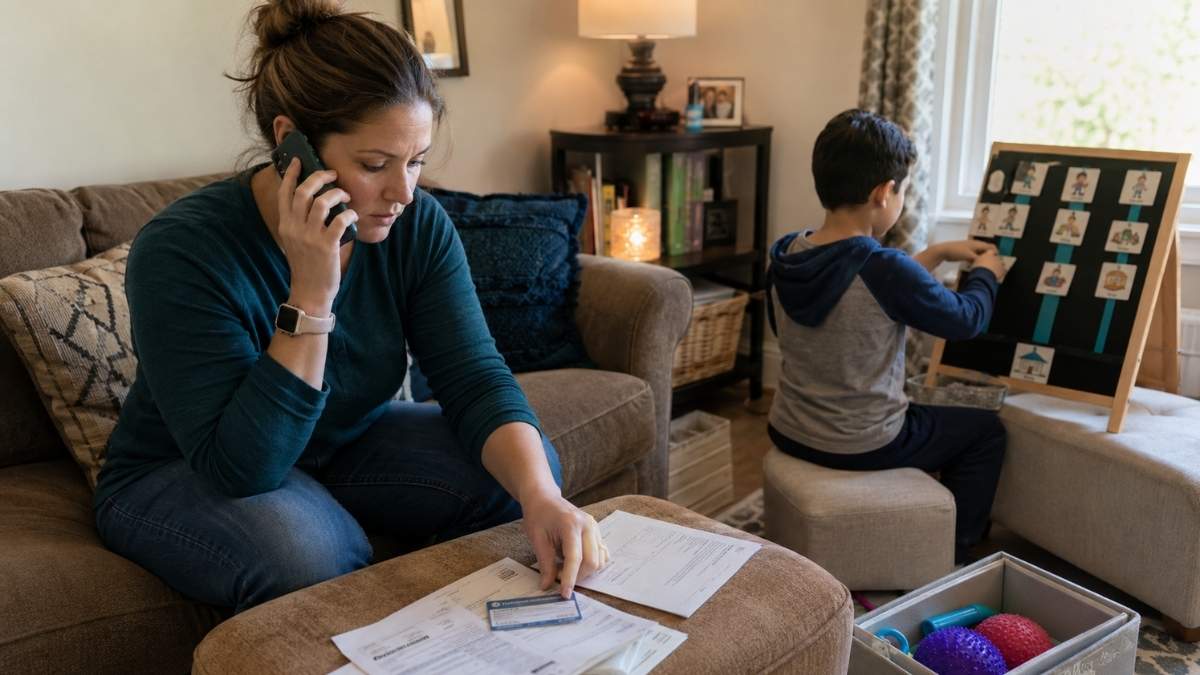
Real change in sleep happens at home, so ABA sleep support relies heavily on caregiver training in ABA therapy. Sessions are often weekly or biweekly and give caregivers direct time with a behavioral technician to review progress and plan next steps.
During these meetings, caregivers can:
- Walk through sleep logs and notice trends together
- Practice bedtime scripts and responses to wakings
- Ask questions about how to adjust the plan when life happens
Ongoing coaching becomes even more important when a child is non-vocal, since caregivers and the behavioral technician work closely to interpret body language, routine changes, and new behaviors at night.
When caregivers feel heard and prepared, they usually find it easier to stay consistent with the plan and to protect themselves from autism caregiver burnout.
When Behavioral Sleep Work Needs Medical Backup
Some sleep challenges fall partly or mostly outside ABA. Breathing problems, seizures, chronic pain, and some gastrointestinal issues can all disrupt sleep and require medical evaluation.
Guidelines on insomnia in autistic children recommend:
- Starting with behavioral strategies and good sleep routines
- Screening for medical issues that could affect sleep
- Considering melatonin when behavioral strategies alone are not enough, and other conditions have been addressed
More recent reviews still support this combined approach and note that prolonged-release melatonin is commonly used, with ongoing attention to dose, purity, and side effects.
ABA teams do not prescribe medication or decide on ABA therapy coverage. Instead, they share sleep data with medical providers when caregivers give permission, adjust plans when medications change, and continue focusing on routines and responses that support better nights.
FAQs About Autism Sleep Problems
How do you treat autism sleep problems?
You can treat autism sleep problems by creating a consistent bedtime routine, reducing light and screen use, and teaching independent sleep skills. Behavioral strategies and sleep hygiene practices, like visual schedules and gradual caregiver fading, are supported by research as effective first steps for improving sleep in autistic children.
What medication is used for autism sleep?
Melatonin is the most commonly used medication for autism-related sleep problems. It is typically started at a low dose to treat insomnia and difficulty falling asleep. Physicians may adjust the dose over time. Other medications exist but have less evidence and require close monitoring for side effects.
How much sleep does an autistic child need?
Many children with autism need about 9–12 hours of sleep per 24 hours at ages 6–12 and about 8–10 hours per 24 hours for teens, which matches the general pediatric sleep targets. Always consult your child’s physician for individualized recommendations, especially if sleep issues persist.
Start Using ABA Tools To Support Better Sleep
Long nights and tired mornings can wear down the whole family. ABA-based sleep support offers a structured way to understand patterns, reshape routines, and teach more independent sleep skills over time.
Families who want help using ABA strategies for their child’s sleep can look into ABA therapy services for children with autism in Kansas and New Hampshire. Consistent caregiver training, clear plans from a behavioral technician, and good coordination with medical teams give you a grounded way to keep adjusting until nights feel more manageable.
At Aluma Care, we focus on practical skill-building and steady caregiver coaching so you always know what to try next at bedtime and how to respond when nights get bumpy again. Get in touch with us today for help with your child’s sleep routine. We’ll also explain how ABA support may help your family move toward calmer, more restful nights.
────────
EDITOR’S NOTE: Content written by an outsourced marketing team. Information is for educational purposes only and does not replace professional clinical or medical advice.
















.png)


.png)