


Key Points:
- Caregivers prioritize self care skills ABA therapy goals that protect health and safety first, such as handwashing, toothbrushing, and basic bathroom routines.
- Toileting independence and simple dressing, grooming, and mealtime steps follow next.
- Home chores and communication for requesting help and breaks, then build broader independence at home.
Some days, it feels like every routine at home needs help at once. Morning rush, bathroom trips, meals, bedtime, and you are trying to figure out which self-care skill to focus on first, so your child is not overwhelmed, and you are not exhausted.
Self care skills in ABA therapy break those big routines into teachable steps. Often, it uses structured practice, reinforcement, and clear plans to help children with autism build greater independence over time. In the sections below, you will see which goals often move to the top of the list and how to choose what makes the most sense for your family right now.

1: Health and Safety Self Care Routines
Health and safety goals often come first because they protect children and the rest of the family. These skills also give many chances for short, structured practice each day.
Common starting points include:
- Handwashing after key activities. For example, after using the bathroom and before eating.
- Toothbrushing at set times. Morning and evening practice with a short, clear sequence.
- Safe bathroom habits. Turning off water, wiping spills, and keeping soaps and cleaners out of the mouth.
ABA strategies such as task analysis, prompting, and reinforcement can help children learn each step in order. Studies on daily living skills training for autistic youth show that breaking tasks into smaller parts, practicing frequently, and tracking progress can improve independence scores and goal attainment.
Caregivers can support these health-focused goals by maintaining predictable routines. Using the same soap, towel location, and short reminder phrases each time can make the sequence easier to remember and follow.
2: Toileting and Bathroom Independence
Toileting often becomes the next major independence goal once a child shows signs of readiness. Many children with autism can learn bathroom skills through ABA-based plans, but the pacing and expectations need to align with the child's body signals and comfort. Always talk with your child’s physician and ABA team for individualized recommendations.
Toileting goals may include:
- Recognizing body cues. Noticing when a diaper is wet or when it is time to use the toilet.
- Following a bathroom routine. Walking to the bathroom, pulling down clothing, sitting, wiping, flushing, and washing hands.
- Staying in the bathroom for short scheduled sits. Building tolerance for the space and routine.
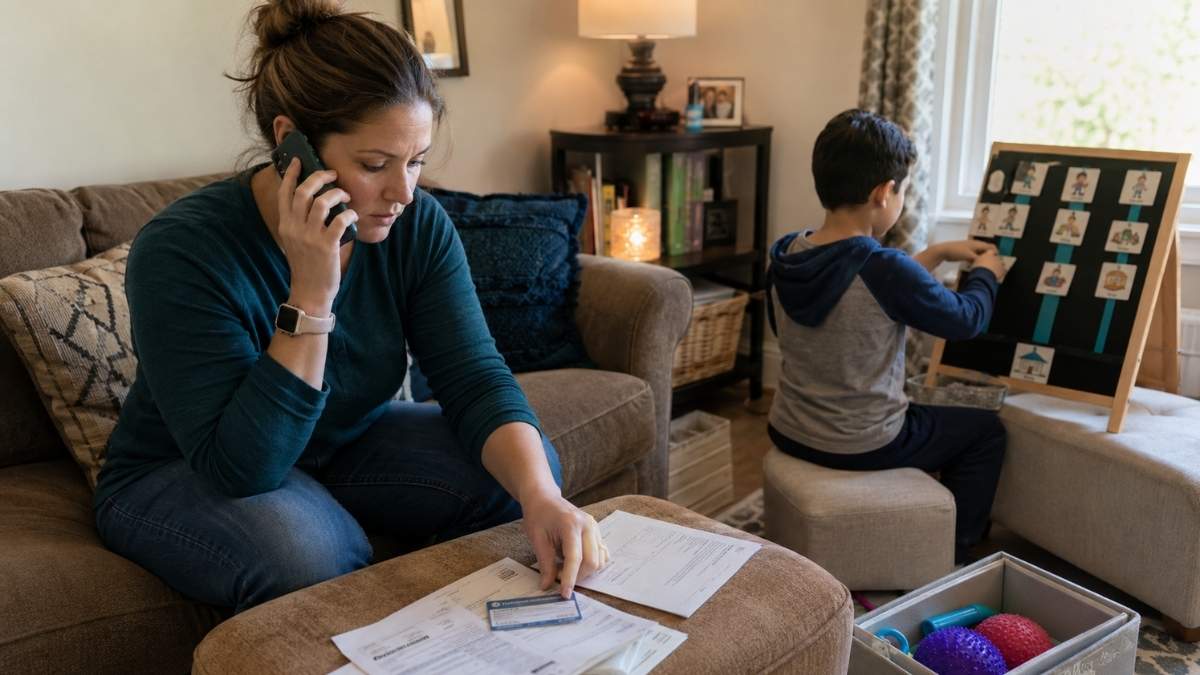
Self care skills ABA therapy often uses visual schedules, timers, and positive reinforcement to help children learn each step. A recent study on daily living skills interventions highlighted that structured programs can improve independence in bathroom routines and that gains may carry over months later when practice continues.
Caregivers can help by:
- Keeping bathroom items in the same place.
- Using the same words for each step.
- Celebrating small wins, such as sitting on the toilet for the planned time, even before full training is complete.
3: Dressing, Grooming, and Mealtime Routines
Once basic health and toileting goals feel more settled, many teams look at morning and evening routines that shape the whole day. Dressing, grooming, and eating are central to teaching independence skills in autism and can reduce daily tension.
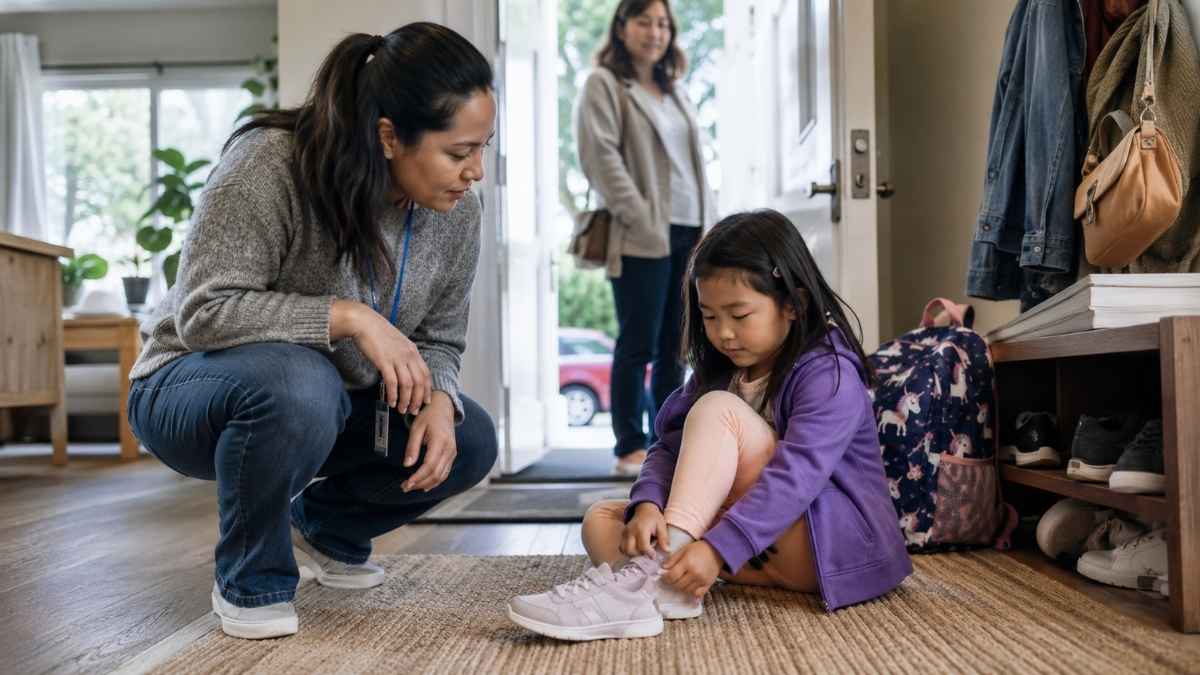
Dressing goals may focus on:
- Putting on and taking off clothing. Starting with pull-on items like elastic waist pants or loose shirts.
- Managing fasteners. Working on zippers or large buttons once basic dressing is easier.
- Choosing between two outfits. Offering limited choices to promote autonomy in autism while keeping things simple.
Grooming can include brushing hair, washing the face, or using deodorant when age-appropriate. Sensory needs matter here, so behavioral technicians may introduce new items slowly and pair them with preferred activities.
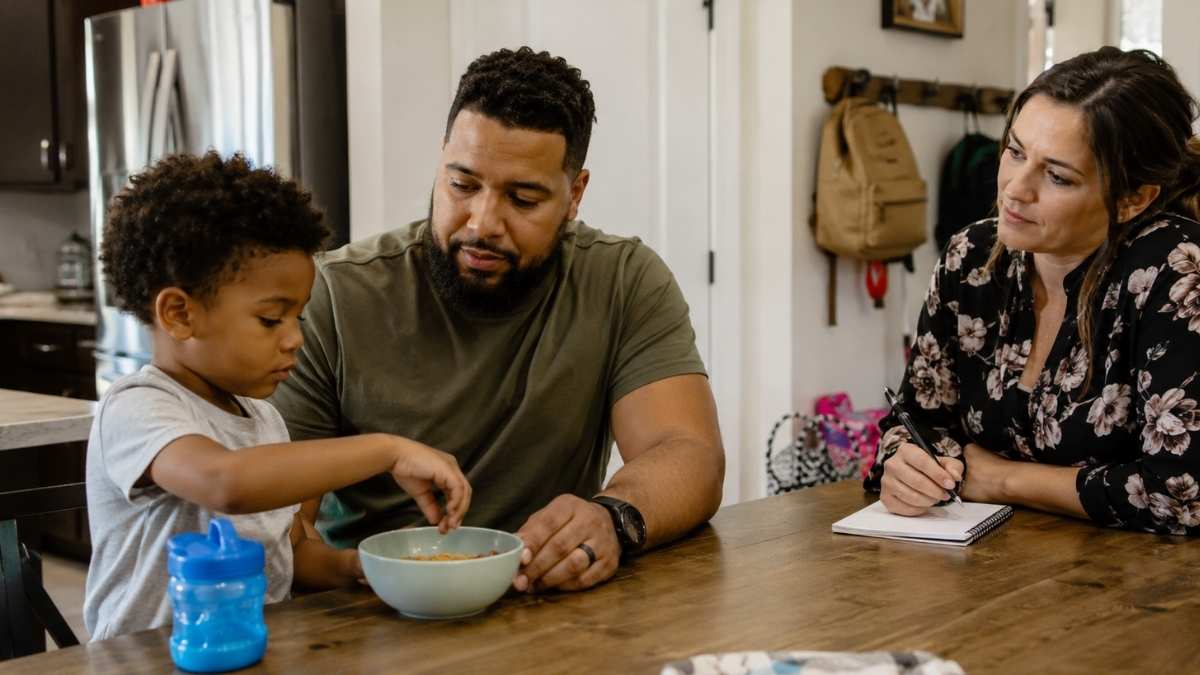
Mealtime routines often target:
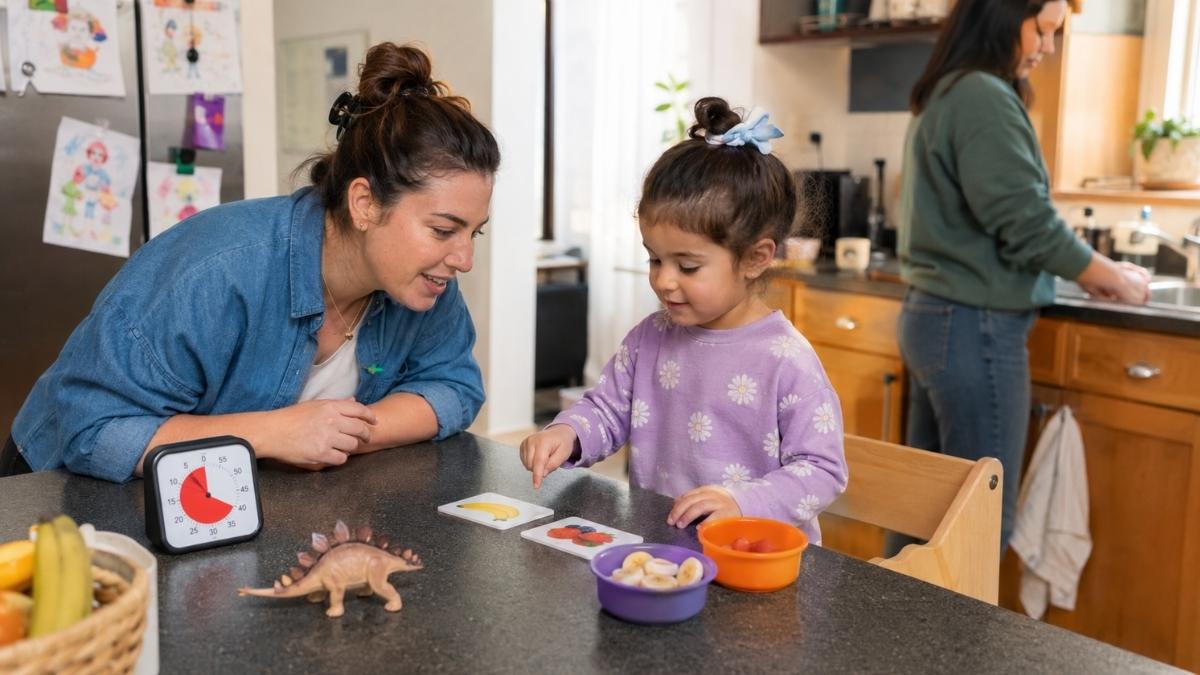
- Sitting at the table for a set time.
- Using a spoon or fork for part of the meal.
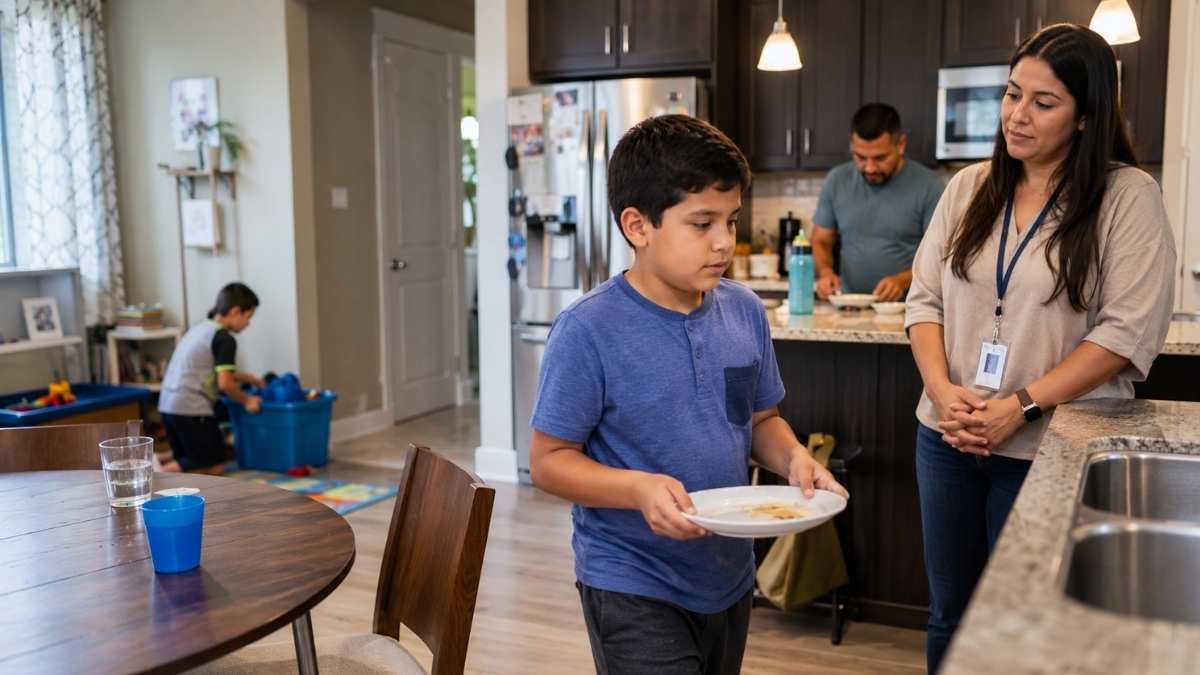
- Helping clear dishes or wipe the table.
Even small steps in dressing and eating can free up caregiver energy and build a child’s sense of competence.
4: Home Chores and Communication for Independence
As basic self care routines become more solid, ABA teams often add simple home tasks and communication skills that support self sufficiency skills in autism. These goals help children see themselves as helpers, not just receivers of care.
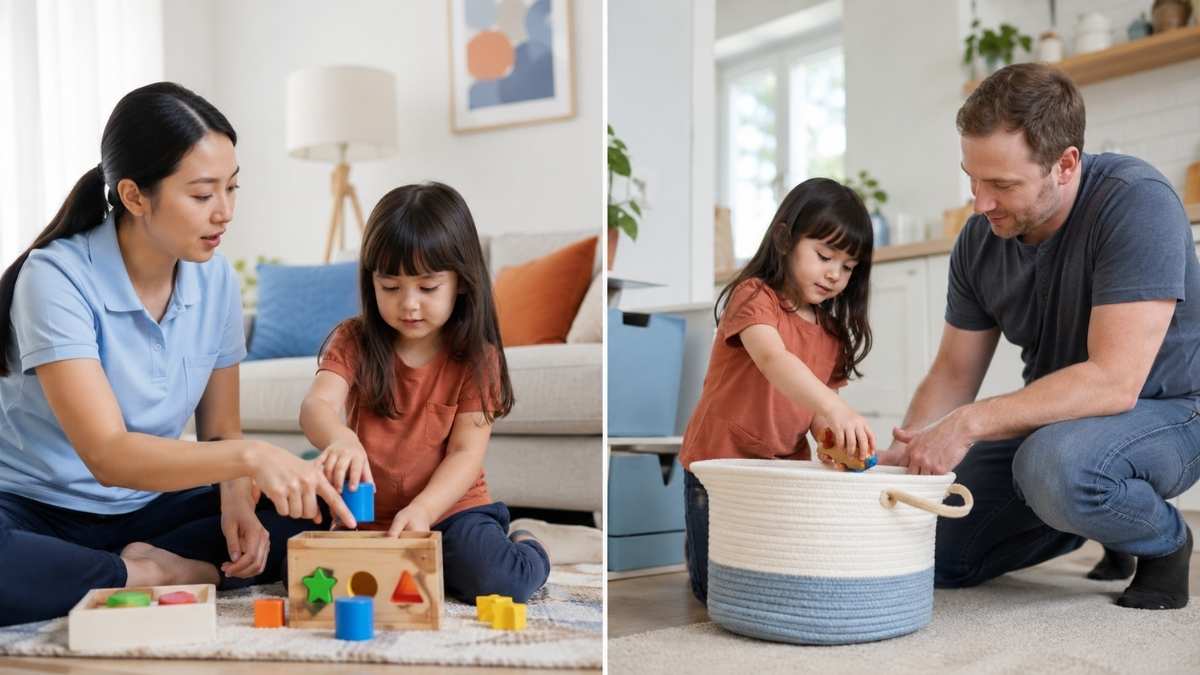
Early home tasks might include:
- Putting toys or school items in a specific bin.
- Carrying dirty clothes to the hamper.
- Placing trash in the garbage or recycling bin.
Communication during self care is just as important as the actions themselves. Children may need ways to:
- Ask for help with a zipper or button.
- Request a break if a routine feels overwhelming.
- Say when they are finished with a task.
For children who are non-vocal, ABA programs can teach picture exchange, gestures, or AAC devices so they can request during self care tasks. A recent meta-analysis found that self-management and related strategies for teaching daily living skills to autistic individuals can lead to meaningful improvements across home routines.
Caregivers can look for moments to model helpful phrases or symbols, such as holding up a “help” card, and then prompt the child to use that communication before stepping in.
How Can Caregivers Support Self Care Skills Between Sessions?
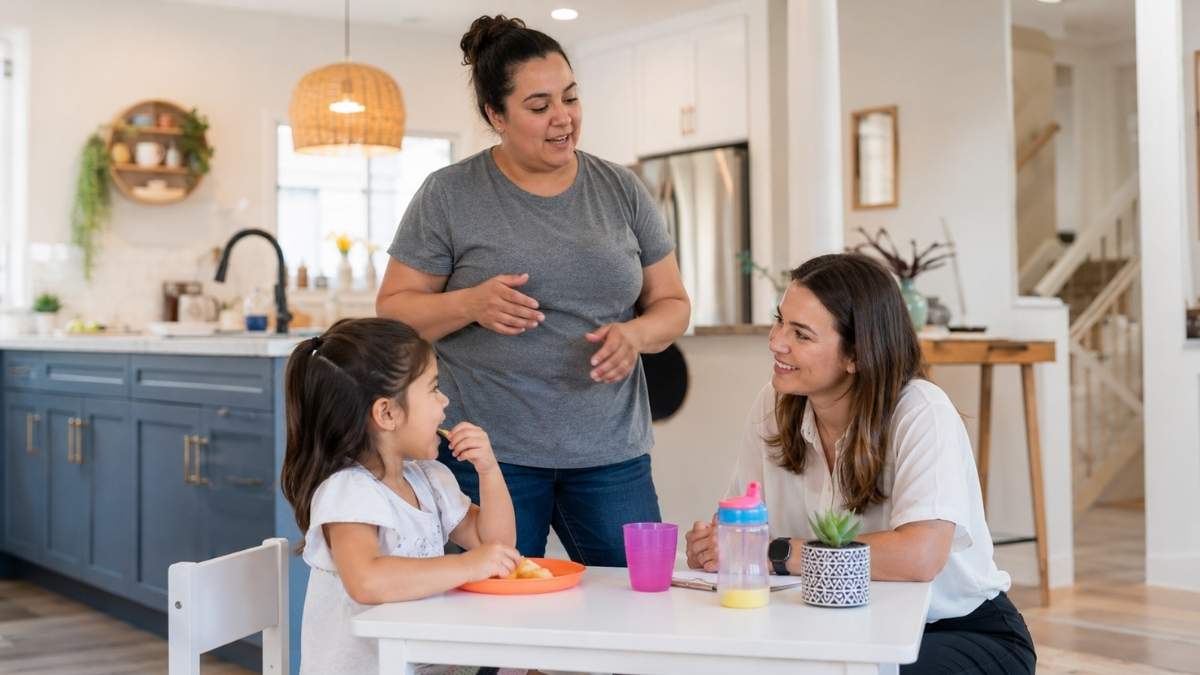
Progress often moves faster when practice continues between sessions. The goal is not to turn home into a clinic, but to use everyday moments as chances to teach children independence with ABA.
Helpful steps can include:
- Choosing one or two skills at a time. Focusing on a small set of self care routines keeps practice manageable.
- Keeping prompts and rewards consistent. Using the same cues and rewards that the behavioral technician uses can help children connect what they learn in sessions with what happens at home.
- Checking in during caregiver training sessions. Research on caregiver training for daily living skills shows that when caregivers learn how to run simple teaching trials, children can make gains that last.
Caregivers may also notice that as their child’s independence grows, family stress can ease. If practice starts to feel heavy, it can help to revisit priorities with the behavioral technician, trim the number of goals, and build in more natural rewards like extra playtime after a hard task.

FAQs About Self Care Skills ABA Therapy
At what age can ABA start working on self care skills?
ABA can start working on self care skills as early as 2 to 3 years old, when a child can follow simple directions and participate in daily routines. Early goals often include handwashing, dressing, feeding, and toileting steps. Early teaching strengthens independence at home and in community settings.
Can self care goals help children who are non-vocal or use AAC?
Yes, self care goals can help children who are non-vocal or use AAC by pairing daily living routines with clear communication supports. Picture schedules, choice boards, and speech-generating devices increase independence in dressing, toileting, and hygiene. Built-in requests such as “help,” “more,” and “finished” strengthen functional autonomy.
How does Aluma Care approach self care and independence goals?
Aluma Care approaches self care and independence goals through home-based ABA therapy that targets daily living routines in real environments. Behavioral technicians teach hygiene, dressing, eating, and simple chores during everyday activities. Regular caregiver training ensures skills generalize at home and strengthen long-term independence.
Partner With Aluma Care to Build Home Independence
Choosing which independence goals to target first doesn’t have to feel confusing. When you start with health and safety, then move into toileting, dressing, mealtime, and simple chores, self care skills can grow in a way that fits real routines and your child’s pace.
At Aluma Care, we offer ABA services for children with autism in Kansas and New Hampshire, with behavioral technicians who focus on practical skills and structured caregiver training so home routines feel more doable over time. Our team works to align goals with your child’s strengths, your family’s culture, and your home's daily rhythms.
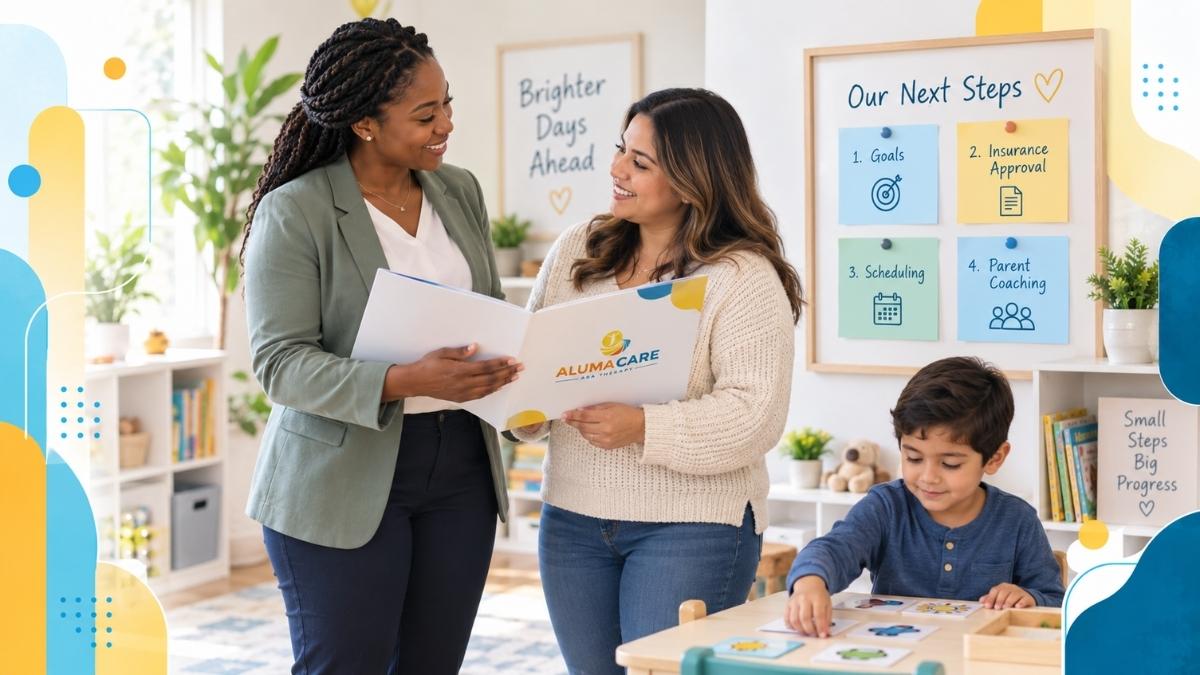
If you are ready to focus on self care skills and build more independence at home, reach out to us. We can talk through your child’s current routines and see how our support can fit the goals you have for your child and your family.
────────
EDITOR’S NOTE: Content written by an outsourced marketing team. Information is for educational purposes only and does not replace professional clinical or medical advice.






.png)


.png)