


Key Points:
- Trusting an ABA therapy provider starts with safety, transparency, and caregiver involvement.
- Providers should offer clear behavior plans, respectful interactions, and open communication.
- Regular caregiver training, visible progress, and freedom to observe sessions signal ethical care.
- If red flags appear, families should pause, ask questions, and seek providers who listen.
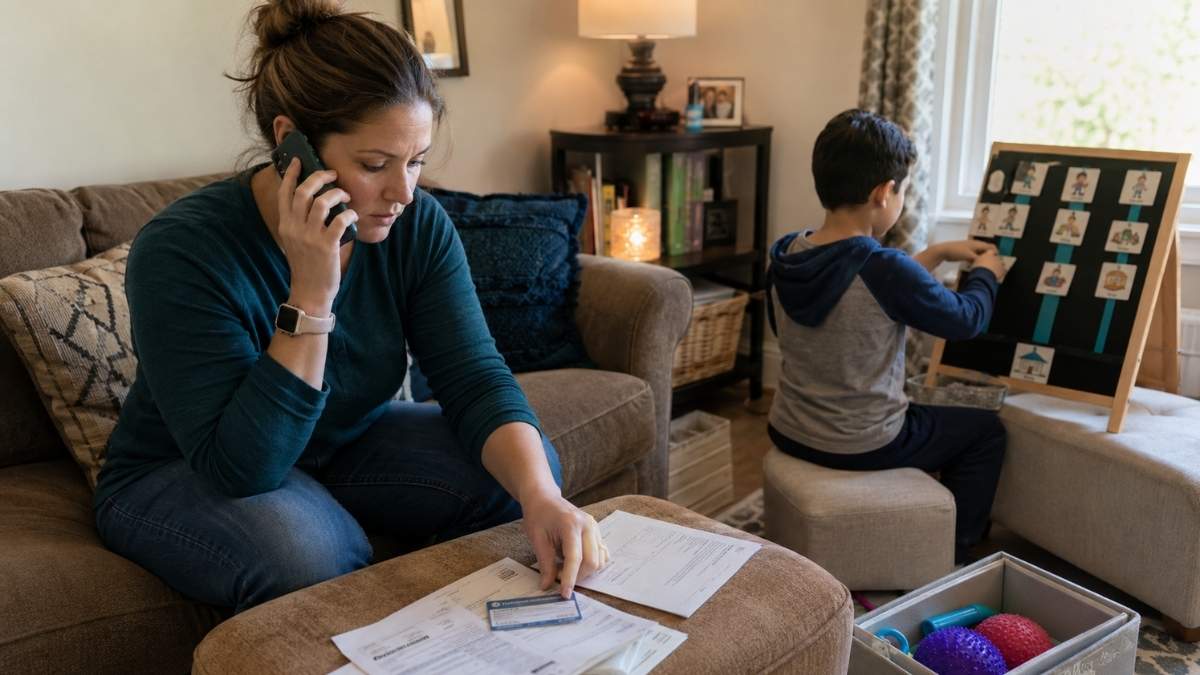
Caregivers of autistic children often hand a lot of trust to strangers. You invite an ABA team into your home or clinic, share private details, and hope your child is treated gently and respectfully. Past bad experiences or mixed stories from other families can make it harder for them to rebuild trust.
How to trust ABA therapy providers starts with understanding what safe, ethical ABA looks like, what you should see in everyday sessions, and how much transparency you can expect. Below, we will walk you through the practical checks, questions, and next steps to help you feel safer saying yes or deciding that it is time to move on.

Why Does Feeling Safe With an ABA Provider Matter?
Families are making big decisions when they sign up for ABA. In the United States, recent CDC data show that about 1 in 31 eight-year-olds has an autism diagnosis, which means many caregivers are trying to sort through complex services at once. That level of demand can lead to rushed choices if you feel pressured or exhausted.
Research on ABA-based programs shows that when delivered well and monitored carefully, children can gain language, cognitive, and adaptive skills.
A 2025 meta-analysis found that ABA approaches produced large effects on receptive language skills (standardized mean change of around 0.74) and moderate effects on cognitive skills (around 0.65) compared with control groups. Those gains are important, but only if they come from programs that respect your child and your family.
Safety and respect in ABA show up in small daily moments. You should see clear routines, calm responses to challenging behavior, and a focus on teaching new skills rather than punishing mistakes. A provider that offers individualized ABA therapy services and takes the time to explain what they do in everyday language gives you a stronger foundation for long-term trust.
How to Trust ABA Therapy Providers Before You Start
The first step in how to trust ABA therapy providers happens before the first session. This is where choosing a trustworthy ABA provider rests on the questions you ask and the transparency in the answers you receive.
During intake, you can ask how behavior plans are written, who supervises the case, and how often the case is reviewed for safety procedures. ABA-based early intervention has shown medium to large effects on intellectual functioning, daily living skills, and social functioning when programs are comprehensive and long-term.
Helpful checks before you sign paperwork include:
- Verify oversight: Ask who designs the treatment plan and how often the supervising clinician reviews data and observes sessions.
- Clarify transparency: Request a sample behavior support plan with identifying details removed, so you can see how goals and safety responses are documented.
- Confirm family role: Ask how the provider will involve you in goal-setting and when caregiver training sessions will begin.
If you want more background while you compare options, a practical way to prepare is to review tips for choosing ABA therapy so you can bring focused questions into your intake call.
What Does Respectful ABA Look Like in Daily Sessions?
Daily sessions should show you whether the ABA therapy provider's communication lines up with what you heard during intake. You do not have to wait for a written report to notice how your child and the behavioral technician interact.
A respectful session usually includes warm greetings, simple explanations before tasks, and flexibility when your child shows distress. A recent systematic review of ABA programs found that interventions can improve social and communication abilities, but also stressed that approaches should protect dignity and avoid overly controlling strategies.
During observation, many caregivers look for:
- Emotional tone: The behavioral technician uses a calm voice, patient pacing, and celebrates small wins.
- Respectful prompting: Support steps are faded as your child gains skills, rather than keeping them dependent on adult help.
- Clear explanations: Staff describe what they are doing in simple terms if you ask in the moment.
How Caregiver Involvement in ABA Therapy Builds Security
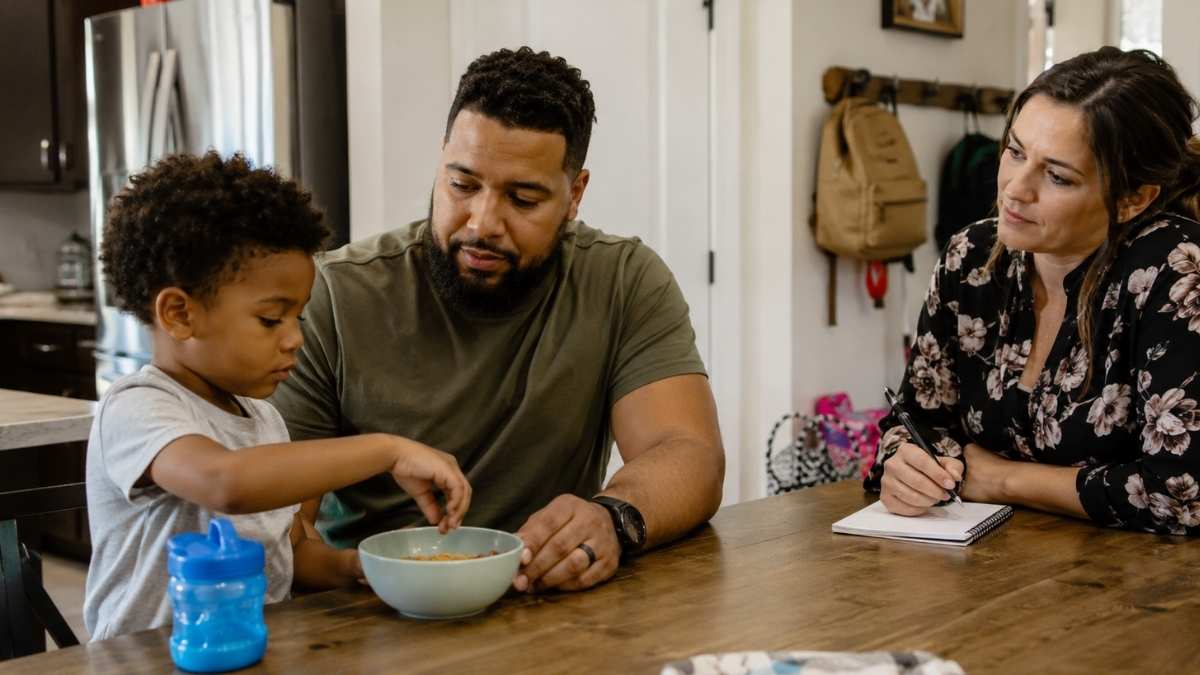
Caregiver involvement in ABA therapy is one of the strongest protectors for both progress and safety. When you attend training sessions each week or every other week, you hear how goals are changing and see how your child responds to strategies in real time.
A 2020 meta-analysis of parent training for children with autism found that training programs reduced children's autism symptoms and caregiver stress, with meaningful effects on both behavior and adult well-being. Another review of parent-mediated interventions reported gains in adaptive daily living skills at follow-up, showing that home involvement can help new skills stick between sessions.
Effective caregiver training sessions often:
- Involve the behavioral technician directly: You practice real strategies with the person who works with your child most often, not just hear about them second-hand.
- Use your real routines: Coaching centers on mealtimes, bedtime, school mornings, or community trips that reflect your actual stress points.
- Include two-way feedback: Staff ask what feels realistic, adjust homework accordingly, and respect your cultural values and energy levels.
If you want to get more specific about the kinds of goals that make training sessions useful, you can look at examples of ABA parent training goals and bring ideas to your next meeting.
Checking Progress Without Getting Lost in Data
Many caregivers feel overwhelmed when they see graphs and percentages. Data is important, but it should not hide what is actually happening in your home, school, or community. Learning how to trust ABA therapy providers includes learning how they share progress.
Good programs collect data during each session and review it in caregiver meetings. A large review of ABA-based interventions found that higher treatment dose and longer duration were associated with greater gains in adaptive behavior. Still, those numbers need to connect with real-life changes, such as smoother mornings or fewer aggressive episodes.
When you review progress, it can help to ask:
- “Can you show me one example?” Ask the behavioral technician to describe a recent session in which a new skill clicked or a strategy reduced a tough behavior.
- “What should I notice at home?” Request one or two clear signs that show the skill is generalizing into your routines.
- “What happens if progress slows?” Clarify how often the team adjusts teaching plans when goals stall.
To understand how formal plans guide these changes, you may want to explore how ABA behavior support plans are structured, then compare that framework with what your own provider shares.

Safety, Ethics, and Red Flags to Watch For
Even when outcomes look promising on paper, caregiver stress can stay high if safety and ethics feel uncertain. A 2024 systematic review on parental stress in autism found consistently high stress levels among caregivers and highlighted that support and professional communication can reduce that load.
Red flags can show up when:
- You are discouraged from observing sessions or asking questions about techniques.
- Your child seems fearful around a specific staff member or shows new distress linked only to therapy days.
- You are asked to sign forms you do not understand or feel rushed to agree to major changes without discussion.
Moving Forward After a Difficult ABA Experience
Some caregivers, reading about how to trust ABA therapy providers, are doing so because previous services went poorly. You may have seen harsh strategies, a lack of communication, or goals that did not take into account your child’s sensory needs or identity.
It is reasonable to slow down after that. That cycle often leads families to pause services entirely, even when some form of support could still help.
If you decide to try again with a new team, you can:
- Name what did not work: Write down specific strategies, tones, or situations you want the new provider to avoid.
- Bring one trusted person to meetings: Having another adult present can help you remember details and feel less alone while you ask hard questions.
- Start with shorter commitments: Ask if you can begin with a trial period or a limited schedule while you rebuild trust.
For families who want to continue focusing on long-term growth, exploring how ABA therapy for cognitive skills development supports problem-solving and independence can help you weigh the potential benefits against past experiences.

FAQs About How to Trust ABA Therapy Providers
How much should I be allowed to observe my child’s ABA sessions?
You should be allowed to observe your child’s ABA sessions regularly, either in person or by video, with appropriate consent. While providers may limit access to protect others’ privacy, they should still offer scheduled walk-throughs, debriefs, and training sessions. If access is denied without a reason, ask for clarification.
What is a reasonable frequency for caregiver training sessions?
A reasonable frequency for caregiver training sessions is weekly or every other week, especially early in ABA services. Research shows that consistent training over several months improves child behavior and lowers caregiver stress. If sessions are infrequent, ask how the provider supports the use of home skills.
How do I know if goals are respectful of my child’s identity?
You will know that goals are respectful of your child’s identity when they support safety, communication, and autonomy without trying to erase natural behaviors, such as stimming. Goals should reflect your child’s preferences, sensory needs, and communication style. Ask how these factors are included in planning and reinforcement.
Choose ABA Support That Feels Safe and Respectful
Trust in ABA grows when you see safety, transparency, and respect woven into every part of care. For many families, that combination helps them move past fear and tap into the real benefits of ABA therapy services in New Hampshire and Kansas.
At Aluma Care, we focus on collaborative ABA therapy for children with autism, with behavioral technicians and clinicians who involve caregivers at every step, from assessment to ongoing training. We offer regular caregiver meetings so you can ask questions directly, see strategies modeled in your own routines, and raise concerns as they come up instead of holding them in.
Wanting to explore a new start? Get in touch with our team to talk through your child’s needs, your safety concerns, and your hopes for daily life. Together, we can build a plan that protects your child’s well-being and gives your family clearer, calmer support going forward.
────────
EDITOR’S NOTE: Content written by an outsourced marketing team. Information is for educational purposes only and does not replace professional clinical or medical advice.















.png)


.png)