


KeyPoints:
- Individualized ABA therapy programs use data-driven goals tailored to a child’s needs at home, school, and in the community.
- Caregivers shape these goals through regular training and feedback.
- Effective plans promote consistent communication, daily living, and safety skills across settings, helping children generalize progress while reducing caregiver stress.
Caregivers often see different behavior at home, in the classroom, and out in the community. A child may follow every step of the bedtime routine but freeze in a noisy cafeteria or bolt toward a parking lot. It can feel confusing when support in one place does not match what happens in another.
Individualized ABA therapy programs aim to reduce that gap. These plans use behavioral science to set clear goals, provide step-by-step instruction, and promote practice across settings. Caregivers who understand how these programs work can speak up during planning, ask better questions, and help skills carry over into daily life.

What Are Individualized ABA Therapy Programs?
Individualized ABA therapy programs use assessment and data to choose specific behaviors to strengthen or reduce. Instead of broad aims like “behave better,” goals describe what the child will do, in which situation, and how progress will be measured. For example, a goal might say that a child will ask for a break using a word, sign, or device before leaving a classroom seat.
Autism organizations and public health agencies describe ABA as an evidence-based approach for teaching new skills and reducing unsafe behavior. A national report from U.S. health authorities noted that decades of research show behavioral methods can reduce interfering behavior and increase communication, learning, and social skills for children with autism.
Many ABA therapy services build these programs through several core pieces:
- Clear starting point: Teams gather history, observe behavior, and may use checklists for communication, social skills, and daily living.
- Measurable goals: Goals break bigger dreams, like “more independence,” into smaller targets that can be counted.
- Teaching plan: The plan outlines how the behavioral technician will prompt, model, and reinforce new skills.
- Review schedule: Data show whether the child is making progress and when to change the plan.
Individualized ABA therapy programs still follow the same science across children. What changes are which skills are targeted, how teaching looks, and how much support is given in each setting.
How Do Caregivers Shape Goals at Home, School, and in the Community?
Caregivers bring critical context about what the day actually looks like. Morning rush, school drop-off, homework, community outings, and bedtime all hold chances to practice skills. When teams incorporate this detail into planning, individualized ABA therapy programs align more closely with daily life.
Research on early autism support shows that intensive, structured behavioral programs can improve language, thinking skills, and adaptive behavior for many children, especially when started early.
Caregiver involvement deepens these gains. Recent studies on caregiver-mediated interventions find that when caregivers learn behavioral strategies and use them between sessions, children often show better social and communication outcomes, and caregivers report lower stress.
During caregiver training sessions, the behavioral technician can:
- Review data: Look together at which goals are moving and which feel stuck.
- Rehearse strategies: Practice prompting, reinforcing, or responding in real scenarios like mealtime or drop-off.
- Plan next week: Choose one or two routines to focus on so home practice feels realistic.
Many of the success rates of ABA therapy often point to intensity, early start, and caregiver involvement as major factors shaping outcomes, which is why regular caregiver sessions matter so much.
Custom ABA Therapy for Children in Everyday Routines
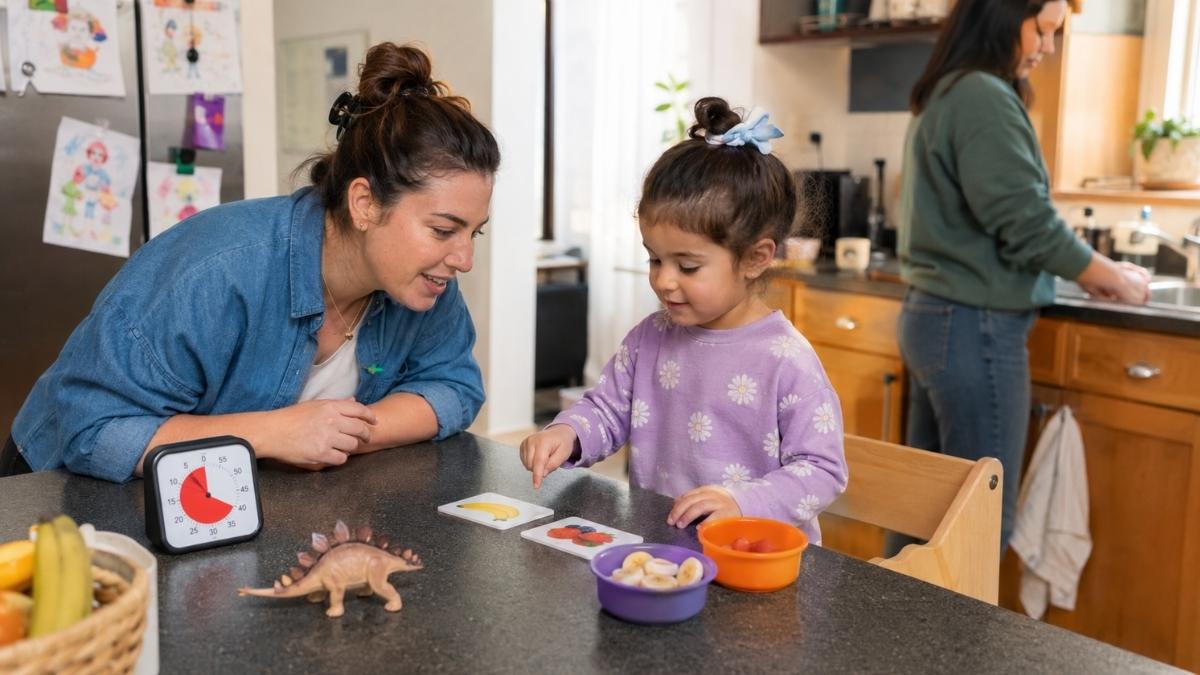
Home is often the first place where plans need to work. Custom ABA therapy for children uses familiar spaces like the kitchen, bedroom, or yard as natural practice areas.
In-home ABA therapy gives the behavioral technician a chance to see real patterns, both strengths and stress points. Instead of imagining what breakfast or bath time looks like, the technician can observe, collect data, and build small steps that match the family’s space and tools.
Routines at home also prepare children for school and community expectations. Several types of goals fit especially well into daily life:
- Communication: Requesting snacks, breaks, or a favorite activity using words, pictures, or a device.
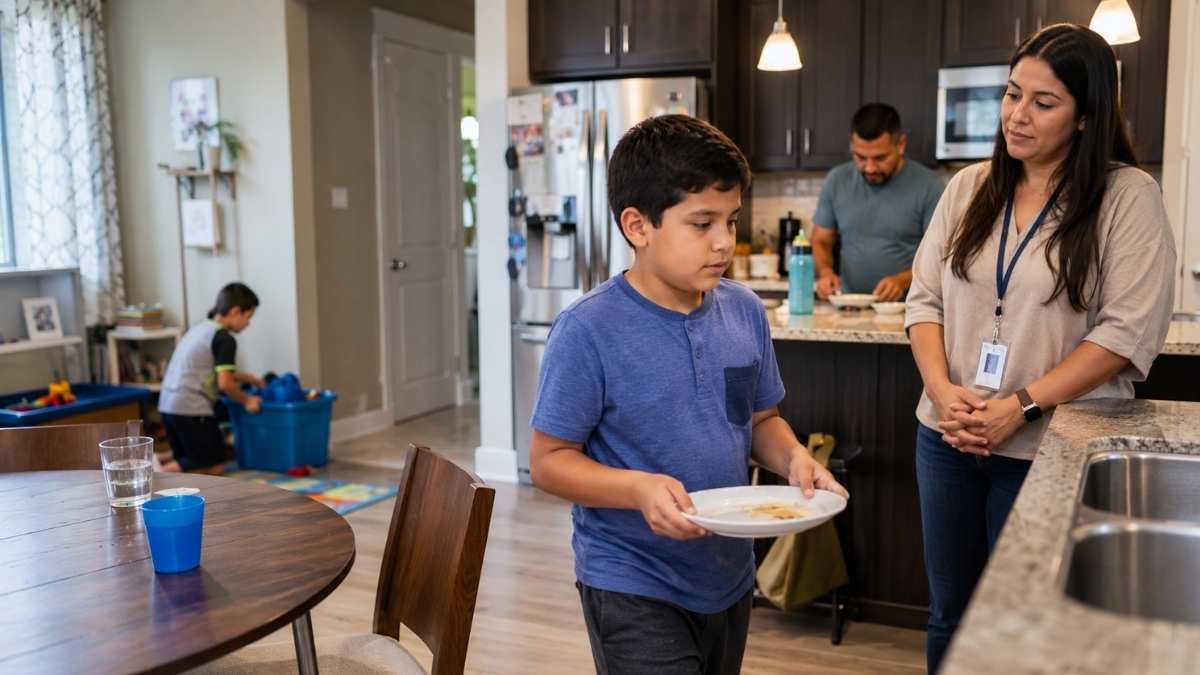
- Cooperation: Following simple instructions like “first put dishes in the sink, then play” during natural moments.
- Self-help skills: Learning to dress, brush teeth, or pack a backpack with prompts that fade over time.
ABA therapy for unique needs also reaches beyond the home. Caregivers and technicians can plan simple practices for grocery stores, parks, restaurants, and faith settings, so the child learns what to do before facing a more crowded or unpredictable situation.

Skill Areas in Personalized ABA Therapy Plans
Personalized ABA therapy plans often group goals into a few broad areas. Each child’s program looks different, but many plans include a mix of communication, daily living, safety, and learning skills.
Tailored ABA therapy for autism often includes:
- Functional communication: Asking for more, help, or a break instead of using aggression or self-injury.
- Play and social skills: Taking turns, sharing materials, and joining simple games.
- Emotional understanding: Labeling basic feelings and pairing them with simple coping actions.
ABA therapy and health and safety skills help children move through the day with more independence. Goals may focus on toileting, handwashing, dressing, or safe responses at home and in the community.
How Do Teams Keep Effective Individualized ABA Therapy on Track?
Even a strong plan loses power if it never changes. Effective individualized ABA therapy uses ongoing data to adjust goals, teaching steps, and support levels. Behavioral technicians record how often a child meets a goal, how much help is needed, and how skills show up across settings.
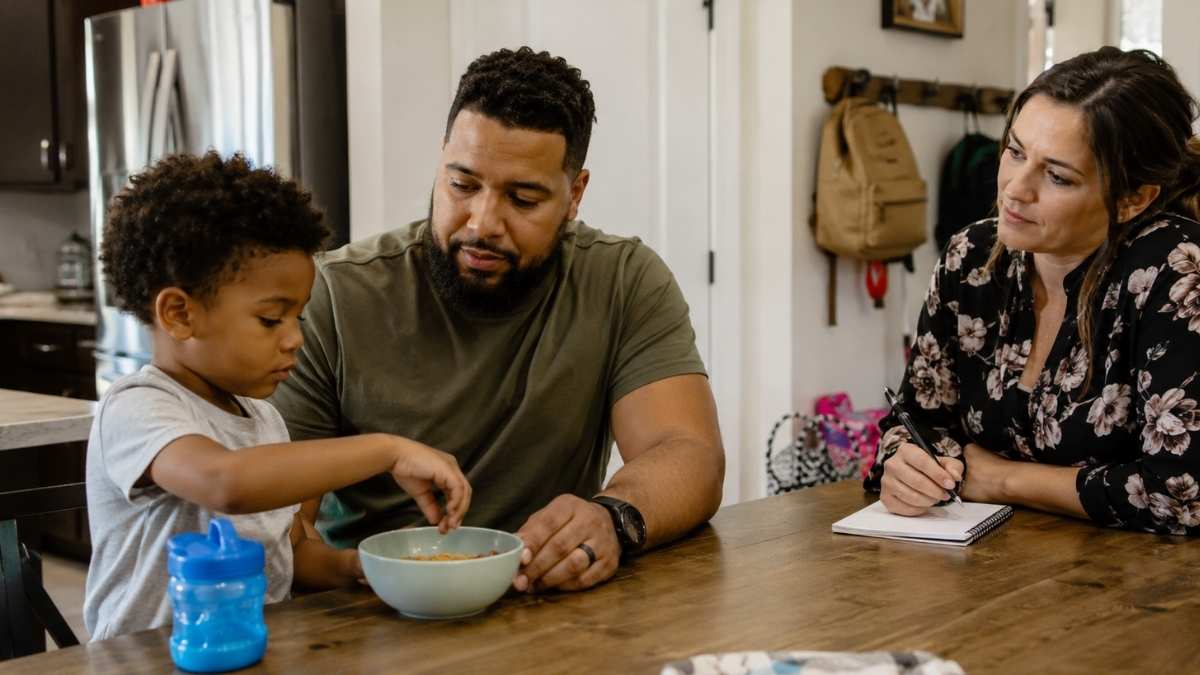
Regular review meetings give caregivers and clinicians a chance to look at patterns together. Data might show that a child now asks for help many times per day at home but rarely does so at school. The team can respond by:
- Shifting teaching: Adding more practice in the classroom or on the playground.
- Changing prompts: Moving from physical guidance to gestures or visual cues.
- Updating goals: Replacing mastered skills with new ones that build independence.
Studies on early intensive intervention report that children in well-designed programs can show large gains in IQ, language, and adaptive skills over one to two years, although results vary by child. That kind of progress depends on frequent updates, realistic expectations, and steady caregiver involvement rather than a plan that stays the same for months.

Frequently Asked Questions
How many hours per week do individualized ABA therapy programs usually involve?
Individualized ABA therapy programs usually involve 20 to 40 hours per week for young children when clinically appropriate. Actual hours vary based on age, needs, and what families can manage consistently.
At what age is it best to start individualized ABA therapy programs?
The best age to start individualized ABA therapy is in the preschool years, typically between ages 2 and 5, when early intervention shows the strongest gains in language, learning, and adaptive skills. However, children and teens can still benefit when programs are tailored to current needs.
Are individualized ABA therapy programs usually covered by insurance?
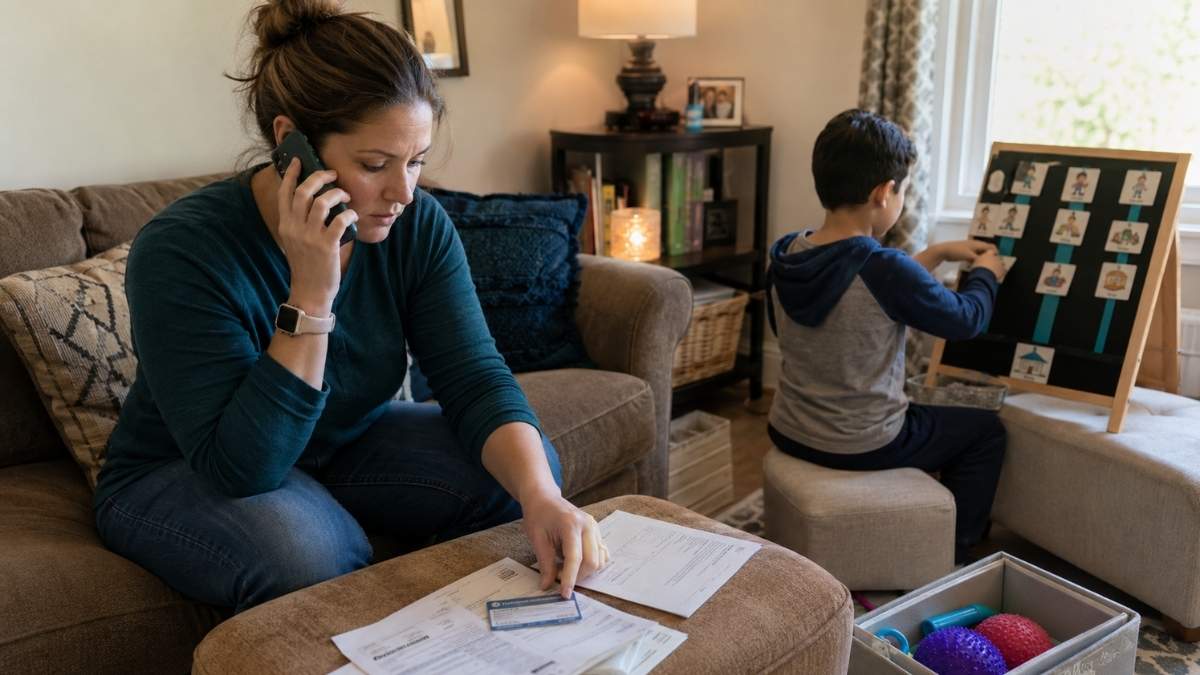
Yes, individualized ABA therapy programs are usually covered by insurance in many U.S. states as medically necessary autism treatment. Coverage varies by plan and may include hour limits, pre-authorization, or in-network requirements. Caregivers should check plan details to confirm benefits and out-of-pocket costs.
Support Your Child With Individualized Goals at Home and School
Individualized ABA therapy programs are built to follow the child, not to force the child into a rigid script. When goals reflect real routines, when behavioral technicians share clear data, and when caregivers help adjust targets over time, ABA can support communication, daily living skills, and safer behavior across home, school, and community.
ABA therapy services in Kansas and New Hampshire help families align home routines, classroom expectations, and community outings under one coordinated plan. Instead of managing separate behavior rules in each place, caregivers can work toward shared goals that feel realistic and sustainable.
At Aluma Care, we partner with caregivers through regular training sessions, open discussion of data, and practical practice plans that fit busy days. Our team focuses on custom ABA therapy for children so that support grows with each child’s strengths, interests, and future hopes.
Ready to review the current supports or begin a new program? Get in touch with us today to ask questions, explore next steps, and see how a more coordinated plan could support your child’s daily life.
────────
EDITOR'S NOTE: Content written by an outsourced marketing team. Information is for educational purposes only and does not replace professional clinical or medical advice.










.png)


.png)