


Key Points:
- An ABA assessment process checklist for a first intake evaluation session outlines seven steps: paperwork and consent, caregiver interview, child observation, skills assessment, functional behavior assessment, team goal drafting, and feedback.
- The first ABA intake evaluation session lasts 2–4 hours.
- The process establishes baselines and shapes individualized treatment goals.
Do you ever look at the date of your child’s first ABA intake evaluation and feel your stomach drop a little? New faces, long forms, and worries about being “judged” as a caregiver can make that first visit feel heavier than it needs to be.
An ABA intake evaluation is where a team starts to understand how your child communicates, plays, and moves through daily routines, so support plans actually match real life. The ABA assessment process is a core part of the individualized ABA services that help make sense of needs in a world where autism affects roughly 1 in 36 children in the United States.
Up ahead, you’ll see a clear checklist of what usually happens in that first intake session, how each step works, and where caregivers can speak up so the plan reflects their child, not just a diagnosis on paper.

Step 1: Intake Paperwork, Insurance, and Consent
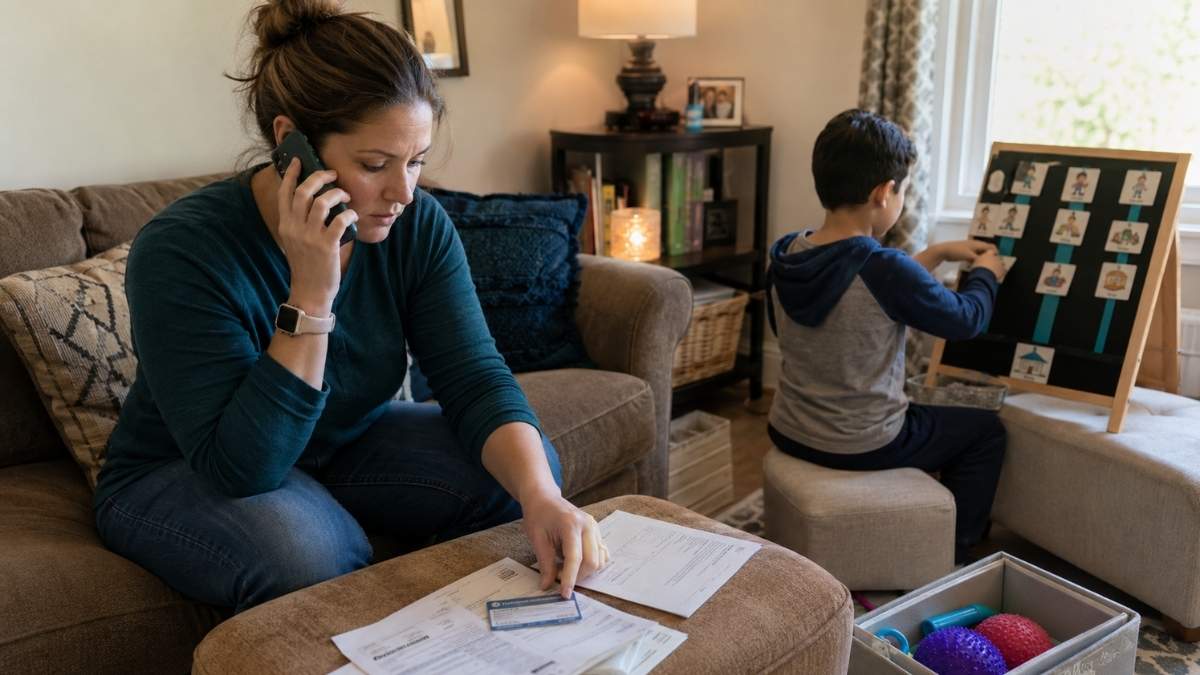
The ABA intake evaluation often starts before anyone meets your child. Intake staff send or review forms so they can understand history and make sure services are authorized.
Typical forms include:
- Demographic and contact information for the child and caregivers
- Medical and developmental history, including prior diagnoses and medications
- Insurance details, consent for treatment, and releases to speak with other providers
Insurance processing continues to evolve as more children receive behavioral intervention. One study of privately insured children found that outpatient behavioral intervention spending per child with autism increased by 376% between 2011 and 2017. Clear intake paperwork helps avoid claim denials and delays in care.
Caregivers can help this step go smoothly by gathering prior evaluations, Individualized Family Service Plan (IFSP) or clinic reports, and any recent hospital or emergency notes related to behavior.
Step 2: Caregiver Interview and History
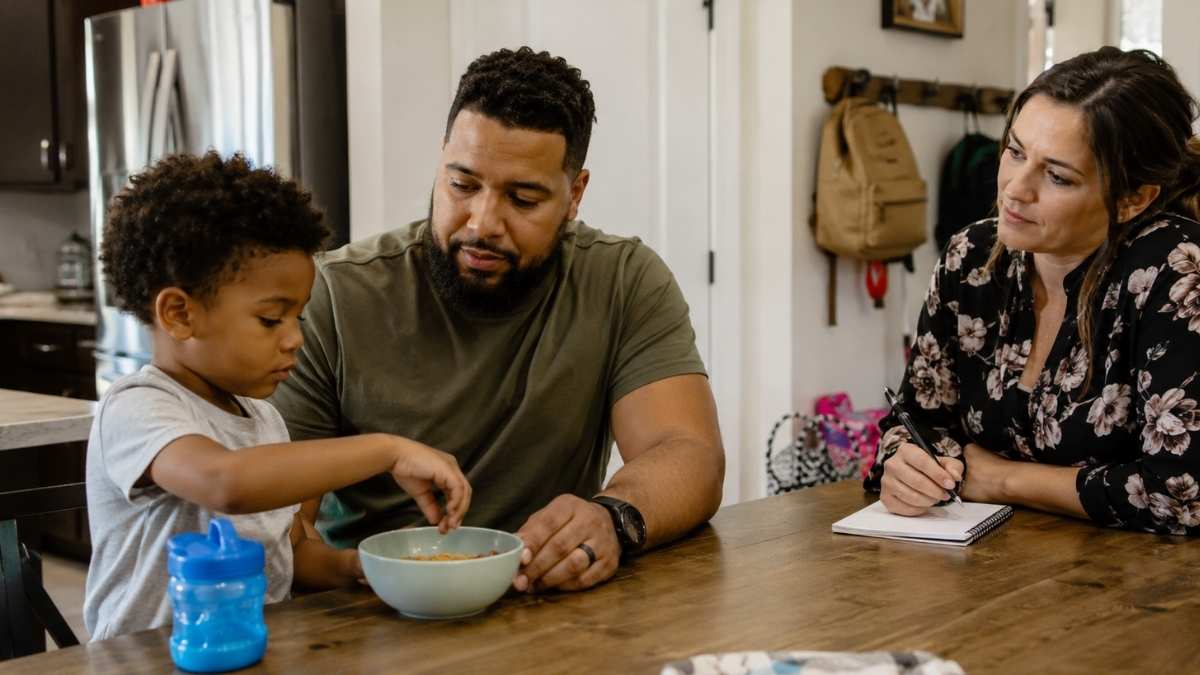
The first live contact in the ABA assessment process usually involves an extended caregiver interview. A behavioral technician or clinician asks questions while you describe your child’s daily life.
Topics often covered include:
- Pregnancy and early development, including early communication and play
- Current communication, including spoken language, sign language, pictures, devices, or gestures
- Routines around sleep, meals, hygiene, and community outings
Interviews also explore behavior that worries caregivers, such as bolting in public places, self-injury, or aggression toward others. Instead of grouping children under labels, teams look at specific patterns: what happens first, how your child responds, and what happens afterward.
Caregivers can prepare by jotting down two or three recent examples of challenging situations, including what led up to them and what helped things settle.
Step 3: Observation of Everyday Behavior
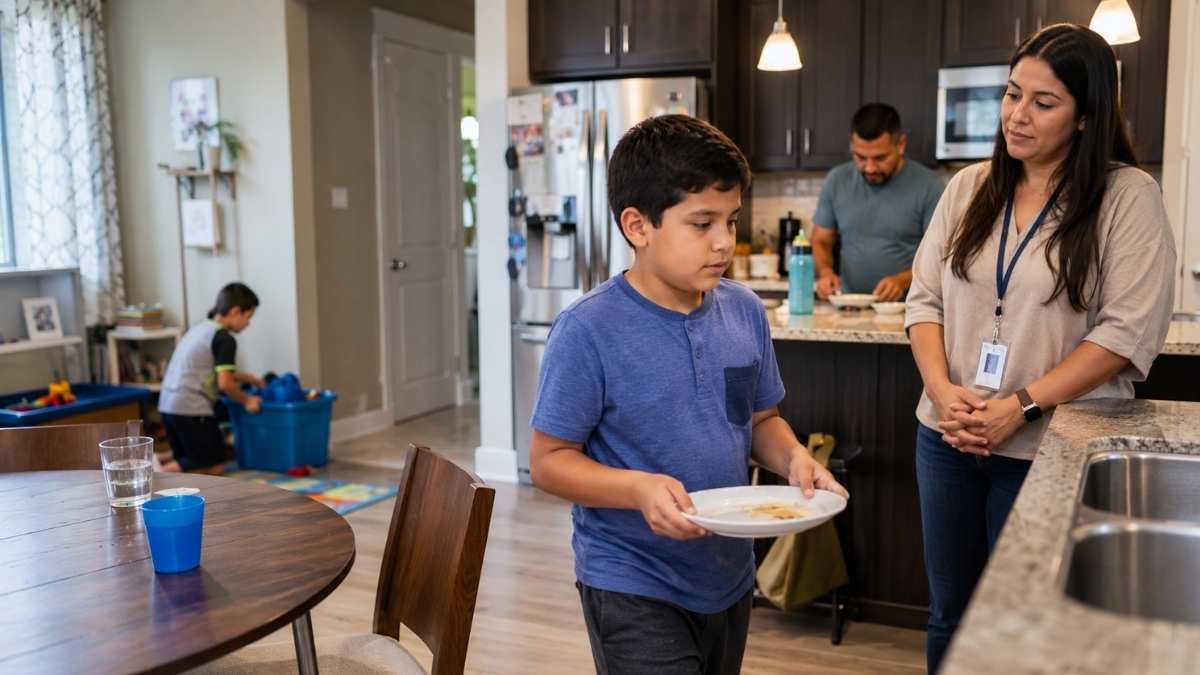
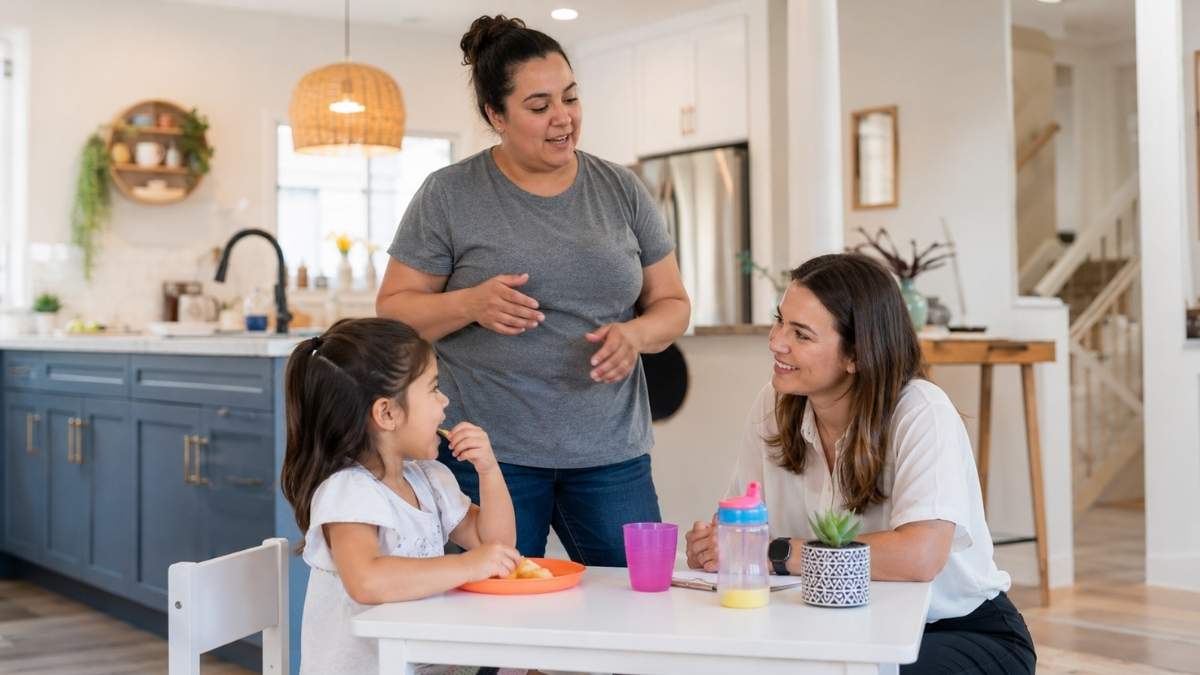
After the interview, the behavioral technician observes your child in a natural setting, such as a play area, living room, or clinic room arranged to look like home.
During this observation, the team may:
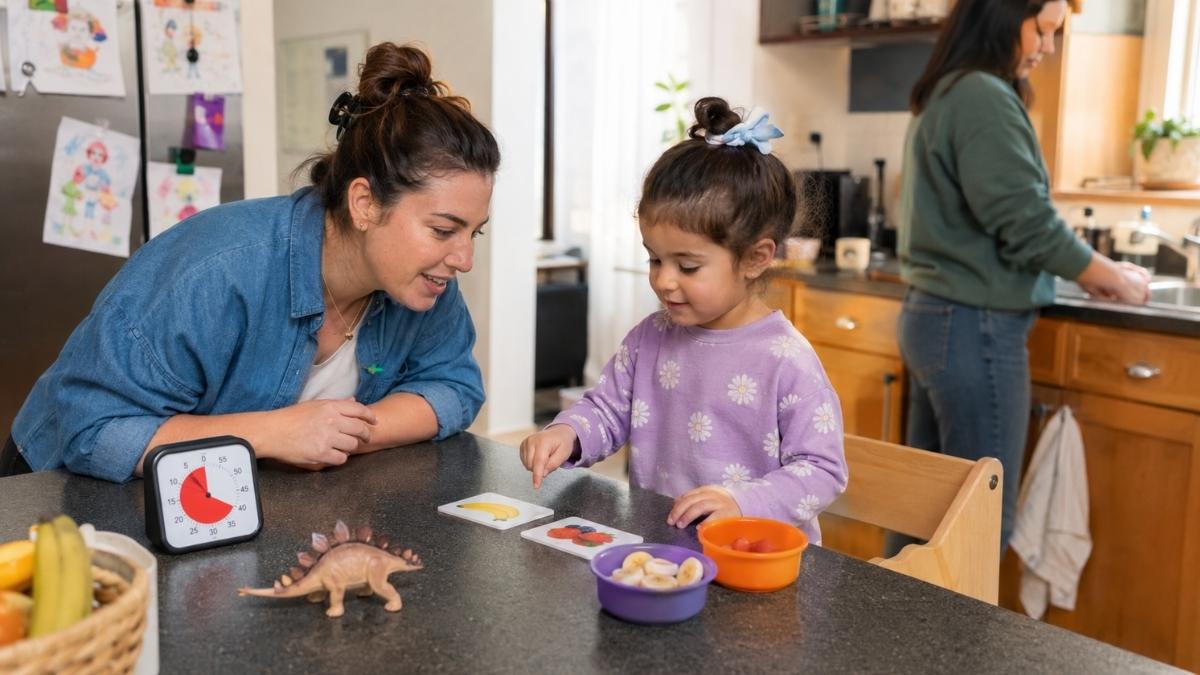
- Offer preferred toys or activities and see how your child engages
- Present simple requests, such as “come here,” “give me the ball,” or “clean up”
- Watch how your child responds when something is hard, boring, or confusing
Observation helps identify both strengths and triggers. For example, a child may show strong problem-solving with puzzles but intense distress when asked to stop a favorite video.
Caregivers may be invited to play as they usually do, then step back so the behavioral technician can see how the child responds to a new adult. Either way, the goal is to capture a realistic picture, not a “perfect” session.
Step 4: Skills and Baseline Assessment
The next step focuses on the skills your child has and the skills that need support. Teams often use a combination of standardized tools and informal probes.
Common skill domains include:
- Communication and language, including vocal speech and other communication forms
- Social interaction, such as joint attention, turn-taking, and shared play
- Daily living skills, including dressing, feeding, toileting, and simple chores
Many ABA teams use structured tools, such as the Verbal Behavior Milestones Assessment and Placement Program (VB-MAPP), to map language and social milestones for autistic and other developmentally disabled children. Other tools may focus on fine motor skills, self-help skills, or early academic readiness.
A baseline assessment measures how your child performs on these tasks before any new teaching begins. ABA behavior tracking then uses this data to monitor progress over time.
Step 5: Functional Assessment of Challenging Behavior
When caregivers report behavior that could cause harm or limit family activities, the intake evaluation often includes a functional assessment.
A functional behavior assessment looks at why behavior happens by examining:
- Events that happen right before the behavior (requests, transitions, sensory changes)
- The behavior itself (what it looks like, how long it lasts, how often it happens)
- What typically follows (attention, removal of demands, access to items, sensory relief)
Functional Behavior Assessment is considered an evidence-based practice for children and youth with autism, with clear guidelines on data collection and hypothesis testing.
In an intake session, this step may begin with a caregiver interview and brief observations rather than a full experimental analysis. If high-risk behavior is present, the team discusses safety planning and whether a more detailed assessment is needed in later sessions.

Step 6: Team Discussion, Goal Drafting, and Evaluation Procedures
Once interviews, observations, and assessments are complete, the ABA team meets to review findings. Data from the intake helps identify which skills to target first and how to measure change using ABA behavior support plans.
Typical early goals after an initial evaluation ABA session may include:
- Increasing functional communication to ask for help, breaks, or preferred items
- Building simple daily routines, such as getting dressed or brushing teeth, with support
- Reducing dangerous behavior by teaching safer ways to express needs
Recent analyses of ABA-based interventions show that many programs can improve communication and adaptive behavior in autistic children, especially when goals are specific and progress is tracked over time.
Evaluation procedures usually spell out how often data will be collected, who will collect it (often behavioral technicians during sessions), and how progress reviews will be shared with caregivers.
Step 7: Feedback, Caregiver Training Plans, and Next Steps
The last step in the intake evaluation involves sharing results and outlining what comes next. Caregivers meet with the clinical team to review key findings and discuss recommendations.
Feedback sessions often cover:
- A summary of assessment results in everyday language
- Proposed goals for the first treatment period
- How many hours of direct ABA sessions and caregiver training may be helpful
Behavior-analytic research highlights that caregivers value clear, compassionate communication and that collaboration can improve how closely families follow treatment plans. Many agencies schedule caregiver training sessions weekly or every other week, providing caregivers with a regular space to review data, learn strategies, and adjust goals with the supervising team.
Caregivers can use this meeting to ask practical questions about scheduling, communication methods between visits, and how strategies will be adjusted if something is not working.
How Does the Intake Evaluation Connect to Ongoing ABA Services?
The intake evaluation does not end after the first session. Instead, it becomes the reference point for all future changes in the program.
Data collected at intake gives the team a starting line. As sessions continue, behavioral technicians collect information on goals such as communication attempts, daily living independence, or safer behavior patterns, all of which can be addressed through home or clinic-based ABA.
Caregivers can expect formal progress meetings at set intervals, as well as informal updates after each session. Over time, new assessments may be added to capture emerging skills, new interests, or changing family priorities.

FAQs About the ABA Assessment Process
How long does a first ABA intake evaluation usually take?
A first ABA intake evaluation usually takes 2 to 4 hours, sometimes divided into two sessions based on the child’s stamina and assessment needs. The evaluation includes record review, caregiver interview, direct observation, and skill assessments. Younger children may complete shorter sessions to reduce fatigue.
At what age can a child start an ABA intake evaluation?
A child can start an ABA intake evaluation as early as age 2 when concerns about communication, social interaction, or behavior first appear. Autism can be reliably diagnosed by age 2, yet many children begin services closer to age 5. Early intake supports faster access to intervention.
Can parts of the ABA assessment be done by telehealth?
Yes, parts of an ABA assessment can be done by telehealth, especially caregiver interviews, history review, and selected skill observations. Telehealth coaching allows caregivers to demonstrate routines and receive real-time feedback. Some direct testing and safety-sensitive observations still require in-person visits for accuracy.
Choose Support for Your Child’s First ABA Assessment
The first ABA intake appointment can feel like a big step, yet each part of the checklist: forms, interviews, observation, skills tests, and feedback, serves a purpose in understanding your child. A thoughtful ABA assessment process helps shape goals that fit your child’s strengths, your routines, and your family’s priorities.
At Aluma Care, our team offers ABA therapy for autistic children in Kansas and New Hampshire, with behavioral technicians and clinical leaders working together to build plans around real homes and real families. Our services focus on practical goals in communication, daily living, and safer behavior, along with regular caregiver training sessions.
When you feel ready to plan a first intake evaluation, reach out to us. We can review your concerns, explain how our assessment steps work, and schedule a start that respects your child’s pace and your family’s schedule.
────────
EDITOR’S NOTE: Content written by an outsourced marketing team. Information is for educational purposes only and does not replace professional clinical or medical advice.







.png)


.png)