


Key Points:
- Supporting siblings of autistic children means addressing emotions like jealousy, guilt, and resentment, while giving them clear roles, honest communication, and attention separate from autism care.
- ABA strategies can help siblings feel included, valued, and emotionally safe in everyday family life.
- When behavioral technicians include siblings in planning, and when caregivers explain autism in relatable terms, family relationships become stronger and more balanced.
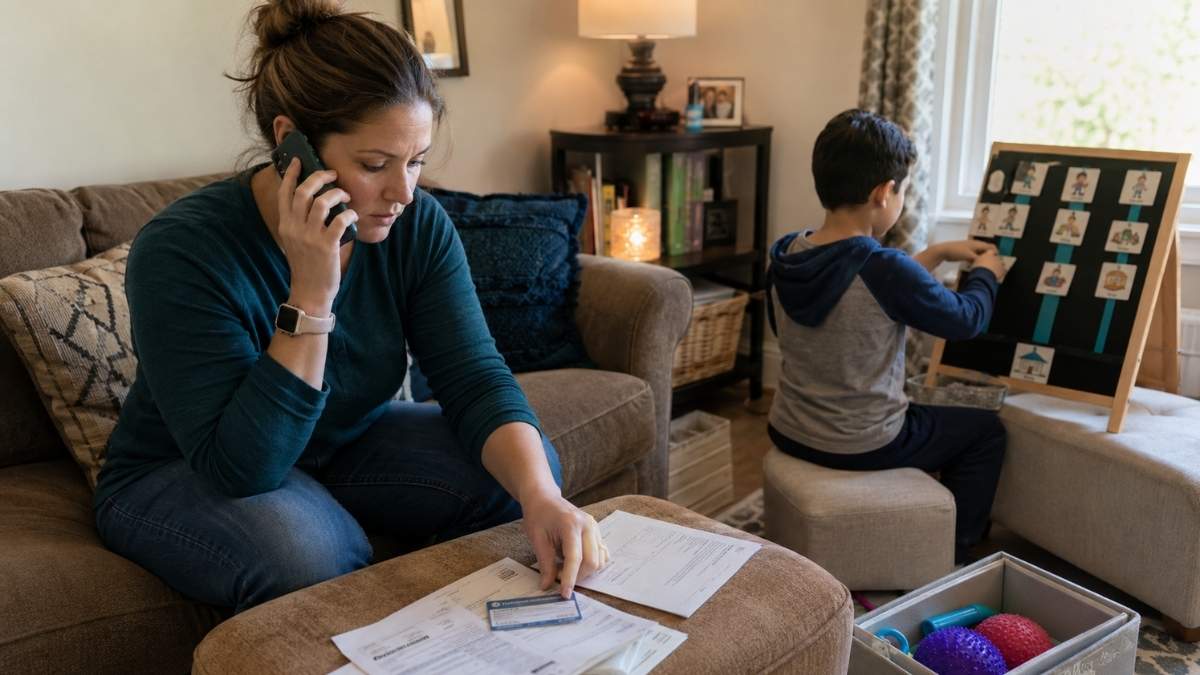
Siblings who watch caregivers juggle appointments, crises, and paperwork often start to feel like background characters in their own home. Some take on extra chores quietly. Others act out or withdraw because they do not know how to talk about their jealousy, worry, or guilt.
Supporting siblings of autistic children means naming those emotions, reshaping family roles, and reducing resentment before it develops into long-term distance. Up next, you will get insights on how emotions show up, how expectations shift, and how ABA-based strategies can help you protect every child’s well-being in daily life.

How Does Autism Shape Everyday Family Life?
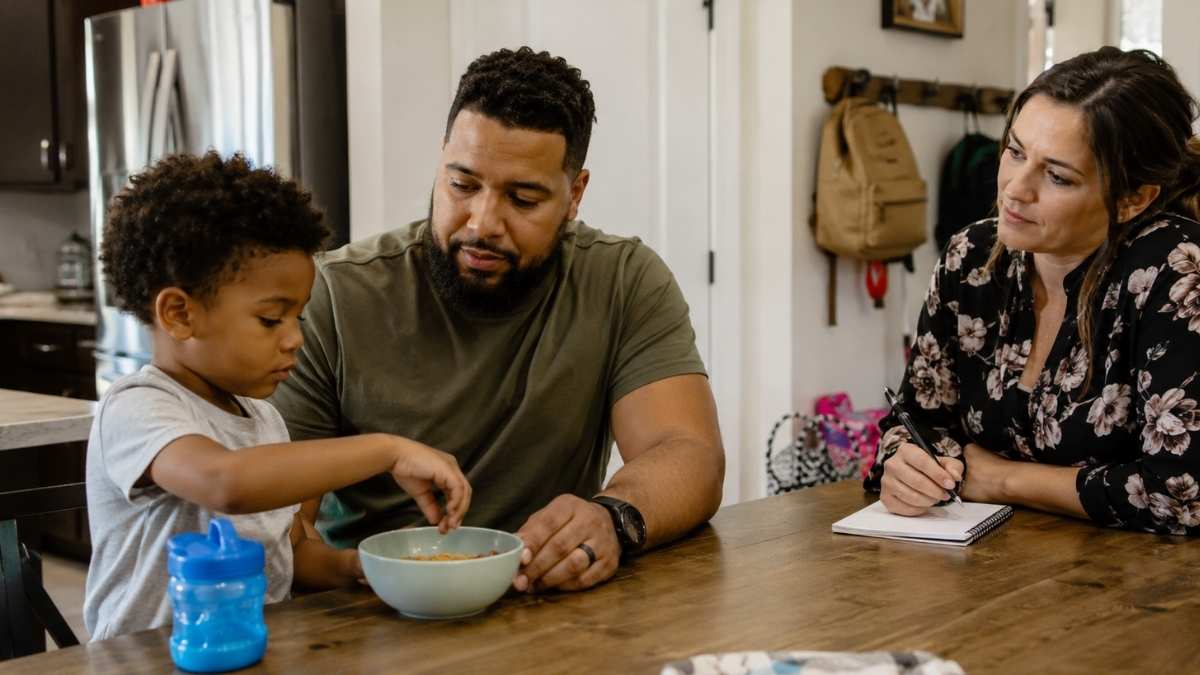
Autism changes routines, schedules, and the emotional “tone” of a home. Caregivers often center decisions around therapy sessions, sensory needs, and safety plans. That level of focus is understandable, especially when autistic children need intensive support throughout the day.
Recent monitoring data from the U.S. Centers for Disease Control and Prevention estimate that about 1 in 31 children has been identified as autistic, which is just over 3% of kids. As more families receive diagnoses, more siblings grow up in homes shaped by autism support plans and appointments.
Autism's impact on family life often includes:
- Tighter schedules: Therapy, school meetings, and medical visits limit free time.
- Different rules: Noise, visitors, and activities may be adjusted around sensory needs.
- Emotional load: Caregivers may feel stretched, tired, or anxious about the future.
Caregivers sometimes assume siblings “understand” why so much attention goes to one child. In reality, many siblings carry their own questions about autism family dynamics, such as why their brother needs a behavioral technician at home or why their sister reacts strongly to small changes.
Families who work with an expert ABA therapy provider that uses a whole-family ABA approach can reduce confusion by explaining how behavior plans support everyone, not just one child.
What Emotions Do Siblings of Autistic Children Carry?
Siblings of autistic children often feel love and pride alongside worry, embarrassment, or anger. These mixed emotions can change quickly over the course of a single day.
Research on quality of life in siblings of autistic individuals shows higher risks of depression and stress compared with siblings of non-disabled children. A 2024 study on siblings of children with autism also links emotional challenges to peer problems and overall psychosocial adjustment.
Common feelings of siblings with autism include:
- Jealousy: “Why does my brother get extra snacks, breaks, or time on the tablet?”
- Guilt: “I feel bad for being mad at him when he cannot help it.”
- Fear: “What will happen when he gets older and bigger?”
- Protectiveness: “I want to keep people from teasing her at school.”
Siblings of autistic children may also:
- Worry about inviting friends over because they fear unpredictable behavior.
- Feel pressure to behave “perfectly” to avoid adding to caregiver stress.
- Hide their own struggles because they see how tired adults already look.
Sibling support in autism works best when caregivers name these emotions directly and frame them as normal responses to a complex situation. Short one-to-one check-ins, especially before bed or during car rides, give siblings a safe space to say what they are happy about and what feels hard.
How Do Roles Shift for Siblings in Autism Family Dynamics?
Autism family dynamics can gently push siblings into roles they did not choose. Some become junior caregivers; others play the “easy child” who never complains. Over time, these roles can feel fixed even when no one ever said them out loud.
Research on families where autistic children have older siblings suggests that supportive brothers and sisters can strengthen social skills and social functioning for autistic kids, likely because siblings model language, play, and problem-solving every day. That benefit is real, but it can also turn into pressure when siblings feel like they must always be patient and mature.
Roles that often show up include:
- Helper: Takes on tasks such as fetching preferred items, explaining rules, or calming an autistic child.
- Peacemaker: Steps in when arguments start, even between adults.
- Shadow: Stays quiet, goes along with plans, and avoids asking for help.
Clear family agreements can prevent siblings from becoming burned out. Helpful steps include:
- Define “adult jobs”: Caring for safety, managing aggression, and speaking with professionals should be handled by adults and the behavioral technician.
- Set “kid jobs”: Sharing toys, using kind words, and following routines can be enough.
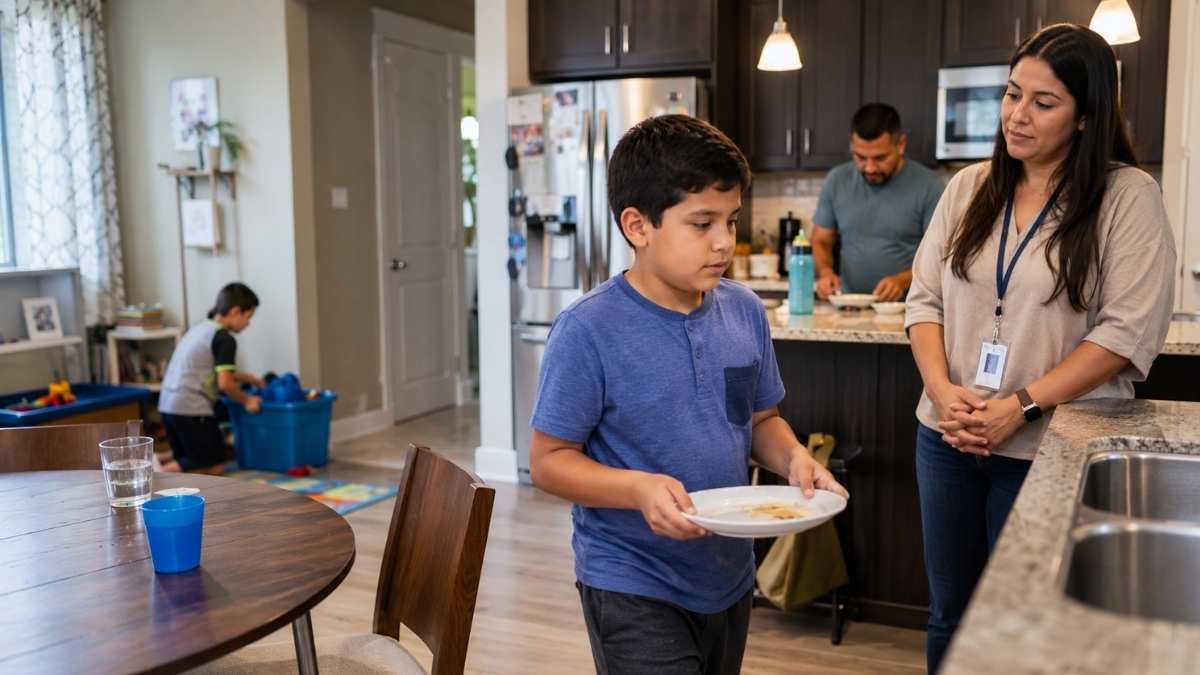
- Rotate small responsibilities: Let siblings choose chores that feel fair, not only tasks linked to autism.
Helping siblings of an autistic child also means protecting their time for hobbies, friends, and rest, not just support roles at home.
Where Does Resentment Among Siblings of Autistic Children Come From?
Resentment often grows quietly. Siblings may love their autistic brother or sister and still feel frustrated about rules, safety incidents, or constant talk about behavior plans.
Several research reviews show that siblings of autistic children face higher risks of emotional difficulties and sometimes psychiatric concerns over time. A 2024 study also found that siblings’ emotional and behavioral problems tend to rise when family life feels strained.
Resentment may grow around:
- Time and attention: Siblings notice when every conversation focuses on behavior reports, insurance, or provider schedules.
- Rules that feel unfair: One child may be allowed to avoid chores or homework after a hard session, while others are expected to keep going.
- Social embarrassment: Public outbursts, stares from strangers, or repeated schedule changes can leave siblings feeling exposed.
Caregivers can reduce resentment by:
- Explaining why certain accommodations exist in simple, non-scary terms.
- Making parallel accommodations when possible, such as quiet time or one-to-one outings for each child.
- Validating anger without blaming the autistic child, focusing instead on the situation.
When families work with a behavioral technician, caregiver training sessions can include a segment on siblings, helping adults learn how to respond when jealousy, anger, or resentment shows up.

Practical Ways to Support Siblings of Autistic Children
Siblings of autistic children benefit when support is concrete, consistent, and explained at their level. ABA strategies can blend into family life without turning the home into a clinic.
Helpful approaches for siblings include:
- Offer simple, honest explanations: Use short phrases like “Your brother’s brain learns differently, so changes feel bigger to him” instead of vague labels.
- Name and normalize feelings: Say, “It makes sense that you feel annoyed when our plans change,” before problem-solving.
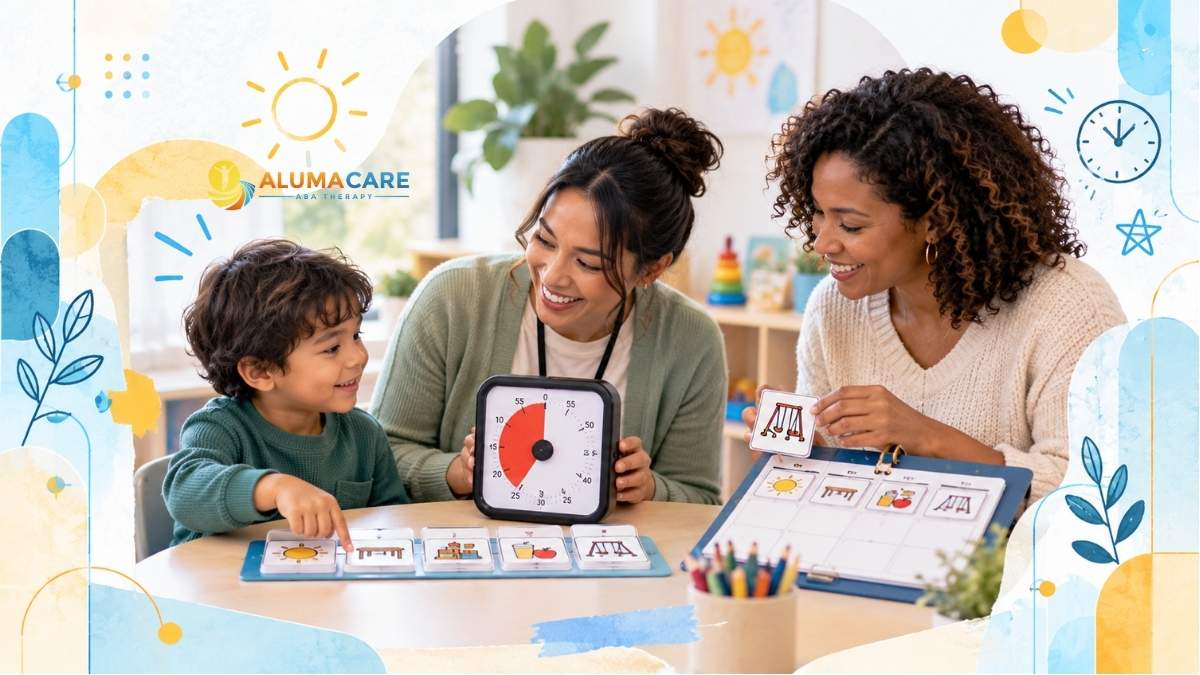
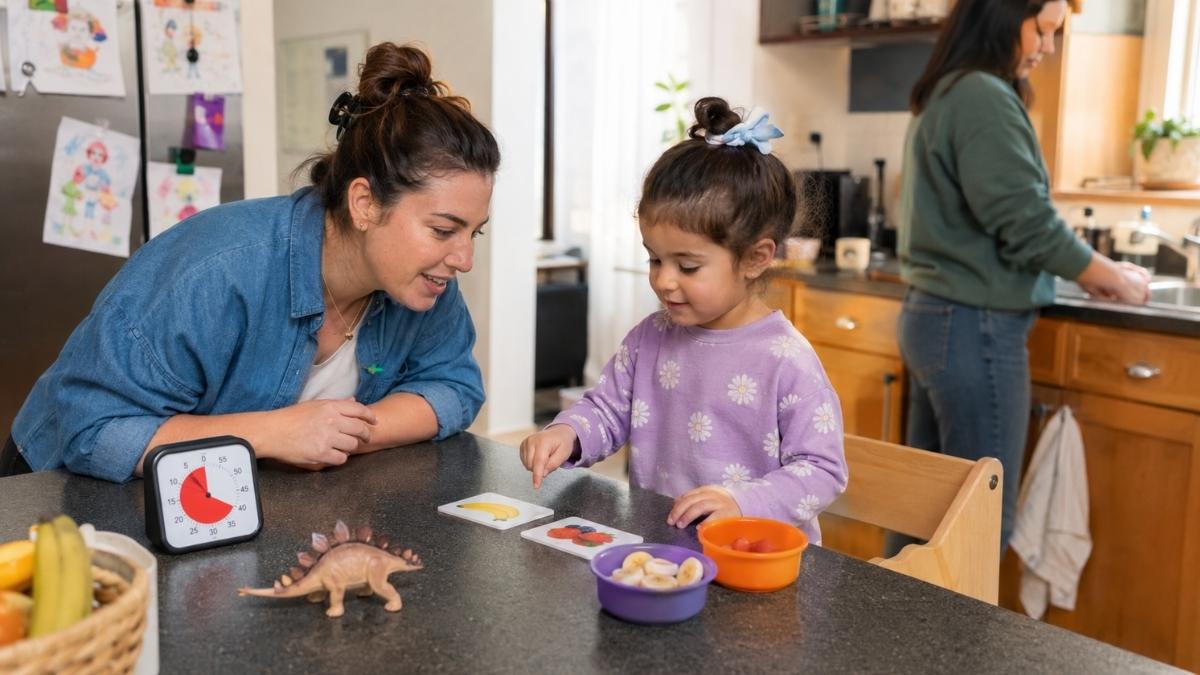
- Create predictable routines for everyone: Visual schedules and clear rules can reduce guessing and resentment.
Caregivers can also:
- Build “sibling-only” time: Schedule regular short activities in which attention is fully on the non-autistic child.
- Teach basic ABA strategies: Show siblings how clear choices, calm voices, and simple prompts help everyone, not just the child in therapy.
- Use behavior plans that cover the whole family: When house rules apply to all kids, siblings see that expectations are shared.
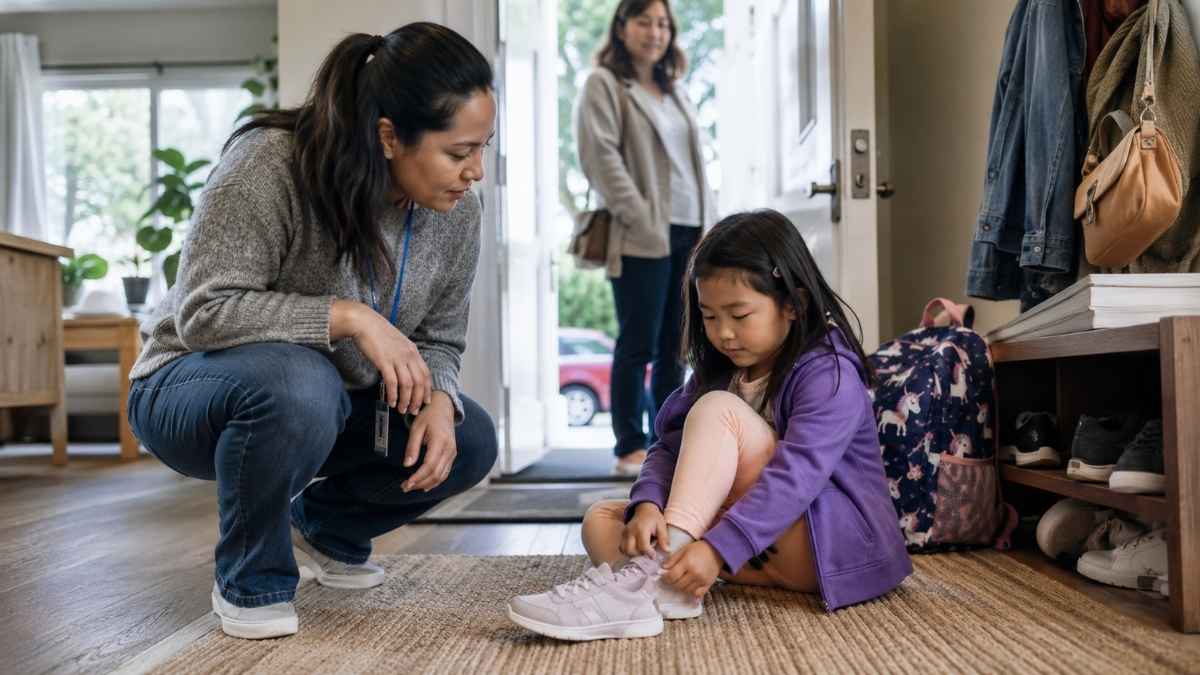
When ABA teams offer in-home ABA therapy, caregivers can ask the behavioral technician to model how siblings might join certain routines, such as greeting practice, turn-taking games, or sharing preferred items. This keeps strategies consistent while avoiding the feeling that one child is “the problem” and everyone else is an unpaid helper.
How Can ABA Therapy Include Siblings From Day to Day?
Autism parenting and sibling support work best when ABA services are set up as a team effort. Siblings do not need to attend every session, but they can be intentionally included in plans.
ABA teams that value family involvement often:
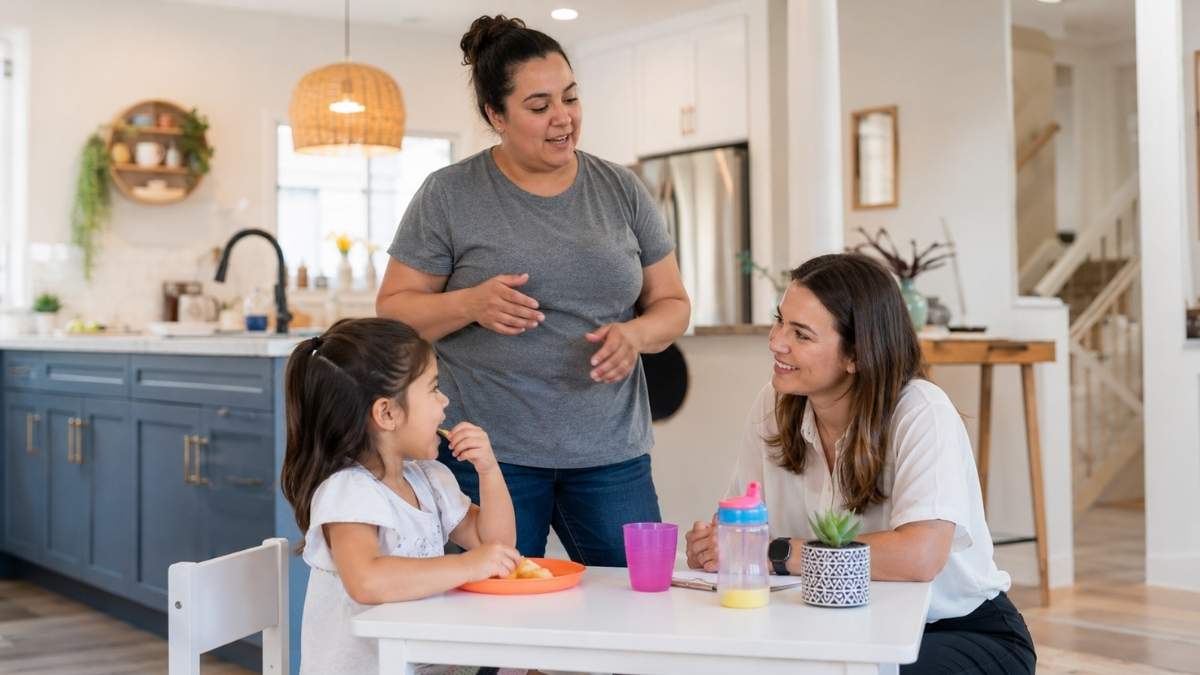
- Invite caregivers to weekly or biweekly caregiver training sessions with a behavioral technician.
- Review progress and behavior updates in clear, everyday language.
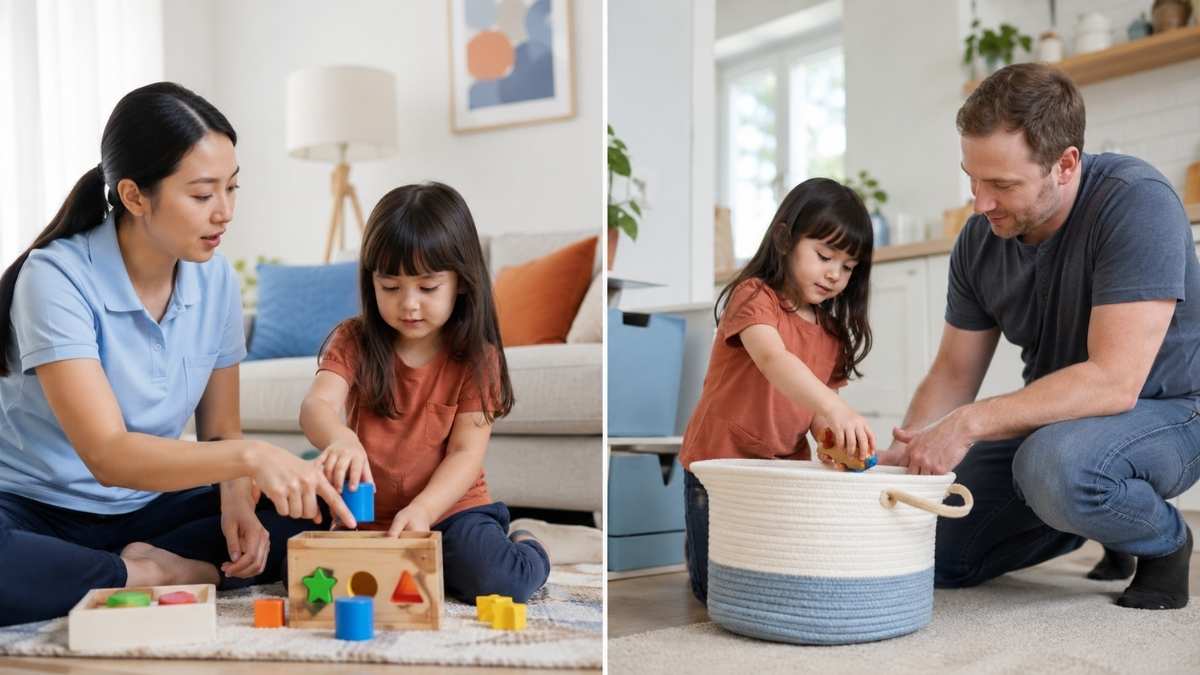
- Suggest specific ways to include siblings in practice, such as games that build waiting, sharing, and joint attention skills.
Caregivers can ask behavioral technicians questions like:
- “What is one simple way a sibling can join the evening routine?”
- “How can we reinforce kindness without making the sibling feel responsible for the autistic child’s behavior?”
- “What rules should apply to all children, and what accommodations apply only to the autistic child?”
A compassionate ABA team can help you script language for siblings, rehearse responses to difficult questions, and adjust reinforcement plans so siblings also feel noticed for their efforts. When autism family dynamics are treated as part of the treatment plan, resentment has less room to grow, and every child receives clearer support.

Frequently Asked Questions
Do siblings of autistic children have a higher chance of being autistic?
Siblings of autistic children have a higher chance of being autistic, with studies showing about a 20% likelihood, around seven times higher than for children without autistic siblings. This increased risk means caregivers and doctors should monitor early signs in communication, play, and behavior closely.
How can caregivers explain autism to siblings in simple terms?
Caregivers can explain autism to siblings as a difference in how the brain understands sounds, feelings, or people. Simple examples like “he needs extra help with talking” or “loud sounds bother her more” make it relatable. Stories and real-life examples help siblings feel informed without shame or blame.
Are sibling support groups helpful for autism family dynamics?
Sibling support groups are helpful for autism family dynamics. They reduce isolation, teach coping skills, and normalize mixed emotions siblings may feel. Groups led by professionals create space for open discussion and often provide caregivers with tools to continue supportive conversations at home.
Support Sibling Relationships Through ABA Therapy
Siblings of autistic children need clear information, fair expectations, and space for their own feelings, just as much as their autistic brother or sister needs structured support. When ABA therapy plans consider siblings’ emotions, roles, and the risks of resentment, the whole home becomes more predictable and caring.
Families who are ready to weave this kind of support into therapy can look into ABA therapy services for children with autism in Kansas and New Hampshire. At Aluma Care, our services focus on practical skill building, strong caregiver training, and regular communication with a behavioral technician so caregivers always know how to support each child, including siblings.
Contact us today to ask how we can help you protect both your autistic child’s progress and your other children’s emotional health at the same time.
────────
EDITOR'S NOTE: Content written by an outsourced marketing team. Information is for educational purposes only and does not replace professional clinical or medical advice.









.png)


.png)