


Key Points:
- ABA therapy supports children with autism by teaching consistent skills across home, school, and community.
- Strategies such as visual supports, reinforcement, and caregiver training help children practice communication, safety, and self-care in real settings.
- When caregivers, educators, and behavioral technicians align goals, children generalize skills and build independence across environments.
Daily life can turn into a mix of school calls, behavior notes, and community outings, leaving questions about whether a child is getting the same kind of support in each setting. Home routines may feel one way, school another, and public spaces can bring new challenges.
ABA can help tie these pieces together so that children practice the same skills with different people and in different settings. When families understand how support works across environments, it becomes easier to decide what to ask for and how to join in.
Why Do Families Need Support Across Home, School, and Community?
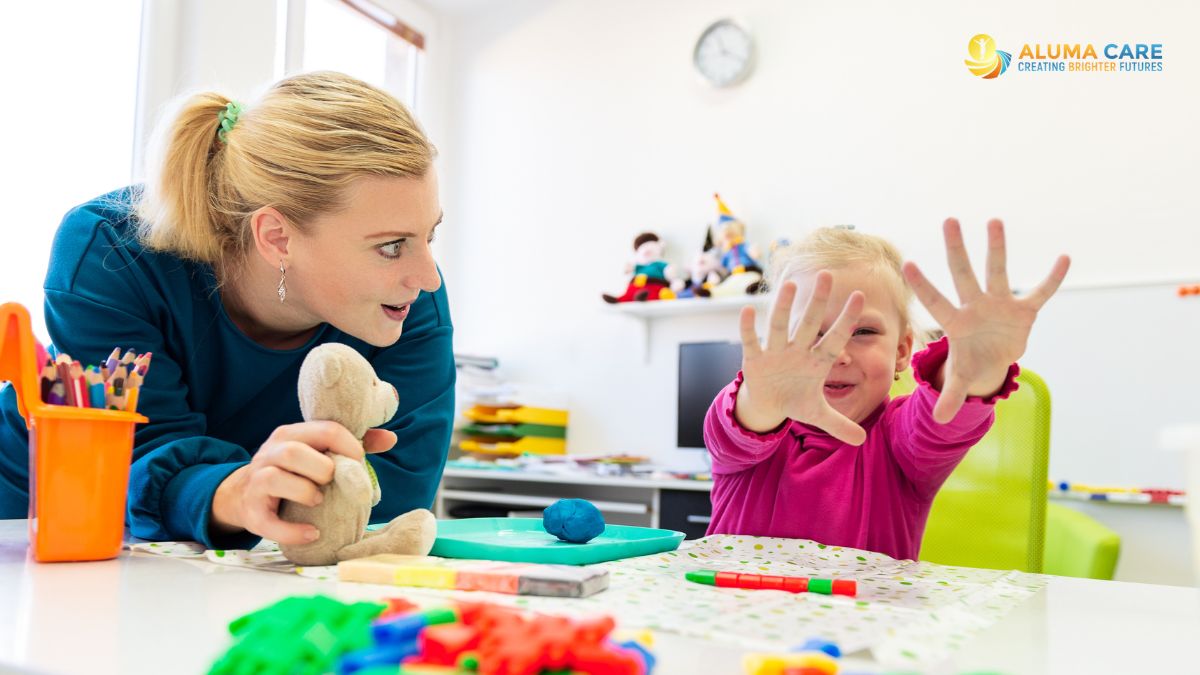
Many children act very differently depending on where they are and who is with them. A child who follows directions during one-on-one time at home may freeze in a busy classroom or run off in a crowded store. When each setting uses different rules and strategies, children have a harder time knowing what to do.
ABA therapy services focus on “generalization,” which simply means using the same skill in more than one place. For example, asking for help can show up at the kitchen table, in the classroom, and in a playground line.
Studies of early intensive ABA programs report gains in adaptive behavior and thinking skills when children have many opportunities to practice throughout their day, not just in one clinic room.
Caregivers, teachers, and behavioral technicians can make progress more likely when they share:
- Shared goals: Everyone works on the same core skills, such as communication, self-care, and safety.
- Shared tools: Visual schedules, clear rules, and simple reward systems look similar across settings.
- Shared language: Adults use the same phrases and cues, so the child does not have to relearn instructions in every place.
What Does ABA Therapy for Children with Autism Focus on Every Day?
ABA therapy for children with autism centers on meaningful, everyday skills rather than random drills. Research reviews of ABA-based and naturalistic developmental programs show improvements in communication, adaptive behavior, and thinking skills for many children when interventions are structured and individualized.
Instead of teaching skills in isolation, behavioral technicians break big tasks into smaller steps and build them gradually. Common focus areas include:
- Communication: Asking for help, making choices, and using spoken words or devices.
- Daily living: Dressing, toileting, handwashing, and simple chores.
- Social skills: Sharing, turn-taking, and reading basic social cues.
- Safety: Staying close in public, stopping at streets, and responding to name.
How Does ABA Therapy Support Children with Autism at Home?
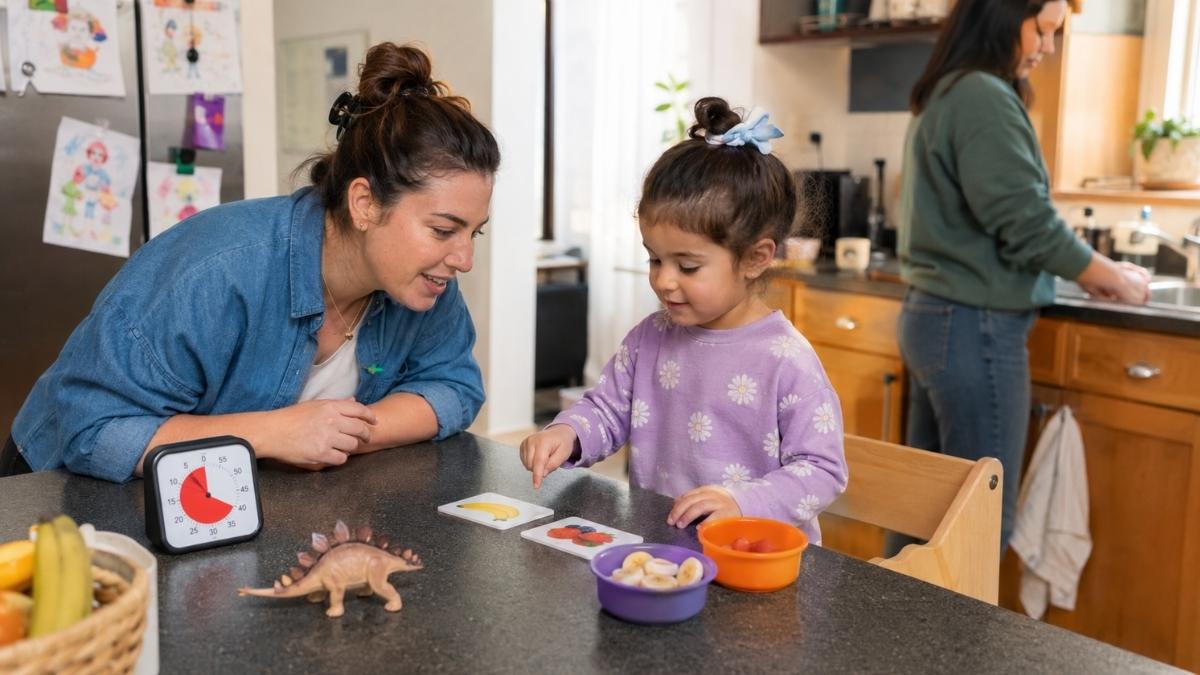
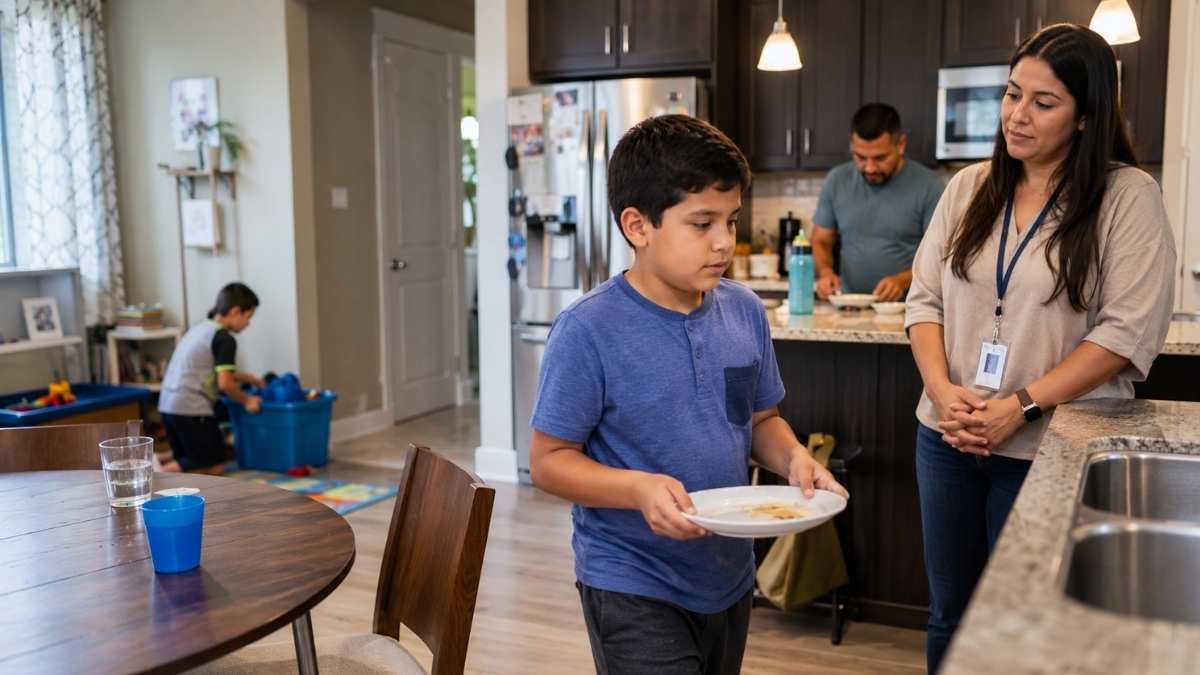
Home is often the first setting where families notice gaps in skills. Morning routines, meals, and bedtime can become stressful when a child has trouble following directions, communicating needs, or tolerating changes. In-home ABA therapy can use these routines as built-in practice time rather than adding more separate tasks to the day.
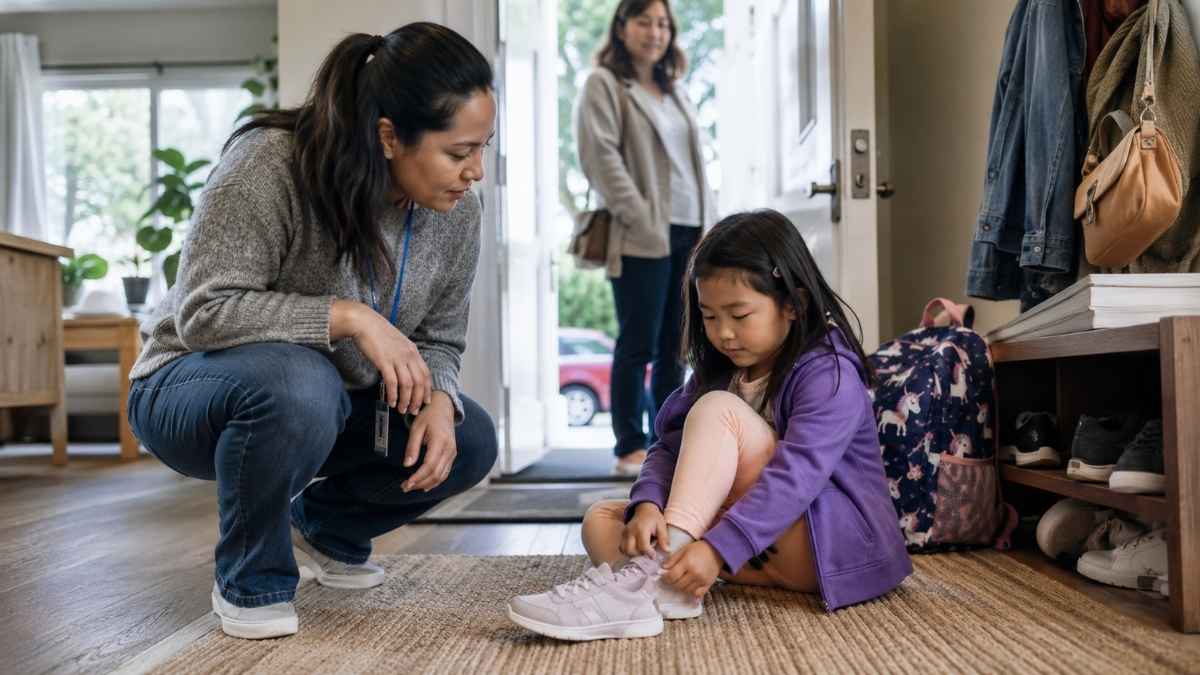
Behavioral technicians observe real routines and identify small, teachable steps. A morning routine might turn into a short list such as “get dressed, eat breakfast, brush teeth, put on shoes.”
At home, ABA often targets:
- Clear choices: Offering simple options (“blue shirt or green shirt”) to reduce conflict.
- Predictable routines: Using visual schedules or checklists for mornings, chores, and bedtime.
- Motivation: Rewarding small steps toward independence with praise or small tokens.
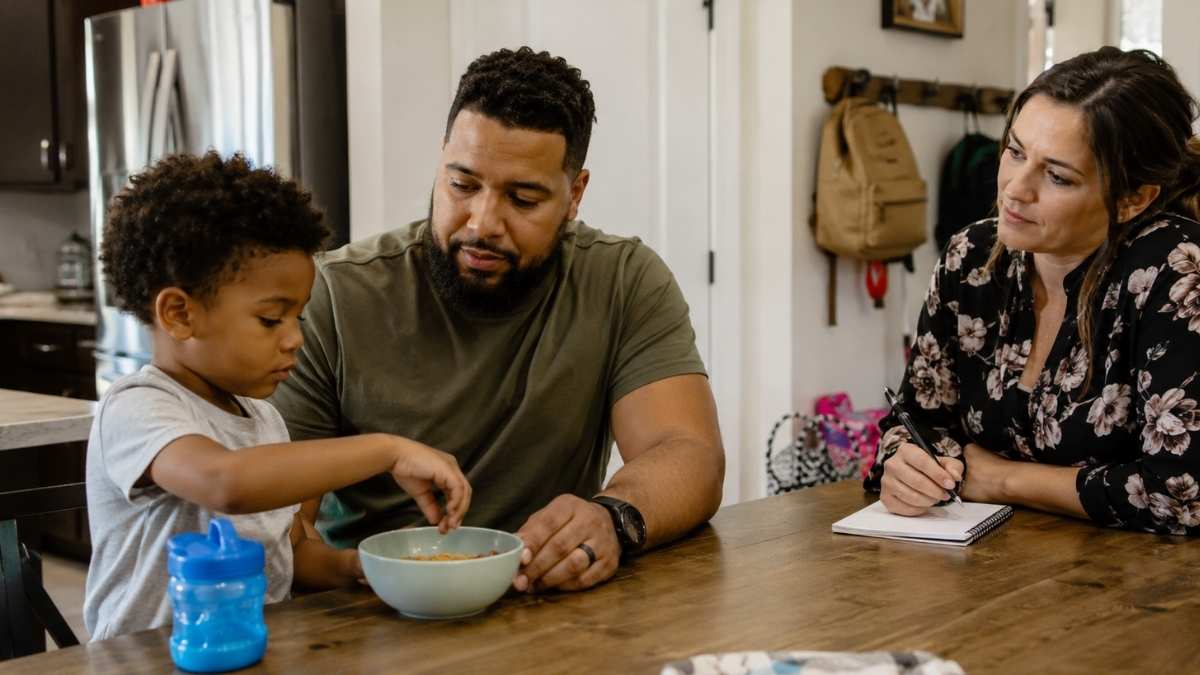
Caregiver training is a key piece. Reviews of caregiver-mediated interventions show that when caregivers receive structured coaching, they can improve their intervention skills relatively quickly and help children make gains in social and communication outcomes.
Regular meetings with the behavioral technician give caregivers space to review data, ask questions, and plan how to support goals between sessions.
How Does ABA Therapy Support Children with Autism at School?
School brings with it complex demands: group instruction, transitions, peer interaction, and academic tasks. Even when a child does well in one-on-one work, the classroom can feel loud and unpredictable. School teams and ABA providers can work together to reduce this gap.
When an ABA behavior support plan is part of school support, teams often start by aligning goals with the child’s IEP. That might include staying seated for short lessons, raising a hand to ask for help, or joining small-group activities.
Common ABA strategies in classrooms include:
- Visual supports: Schedules, first/then boards, and clear classroom rules.
- Reinforcement systems: Token boards or point charts that reward specific behaviors.
- Structured breaks: Planned movement or quiet breaks to prevent a child from becoming overwhelmed.
Behavior support plans are another tool. These plans examine why a behavior occurs, what tends to trigger it, and what replacement skills the child can learn instead. A recent study reported that ABA-based programs can improve emotional and social skills when plans are based on careful assessment and consistent follow-through.
How Does ABA Therapy Support Children with Autism in the Community?
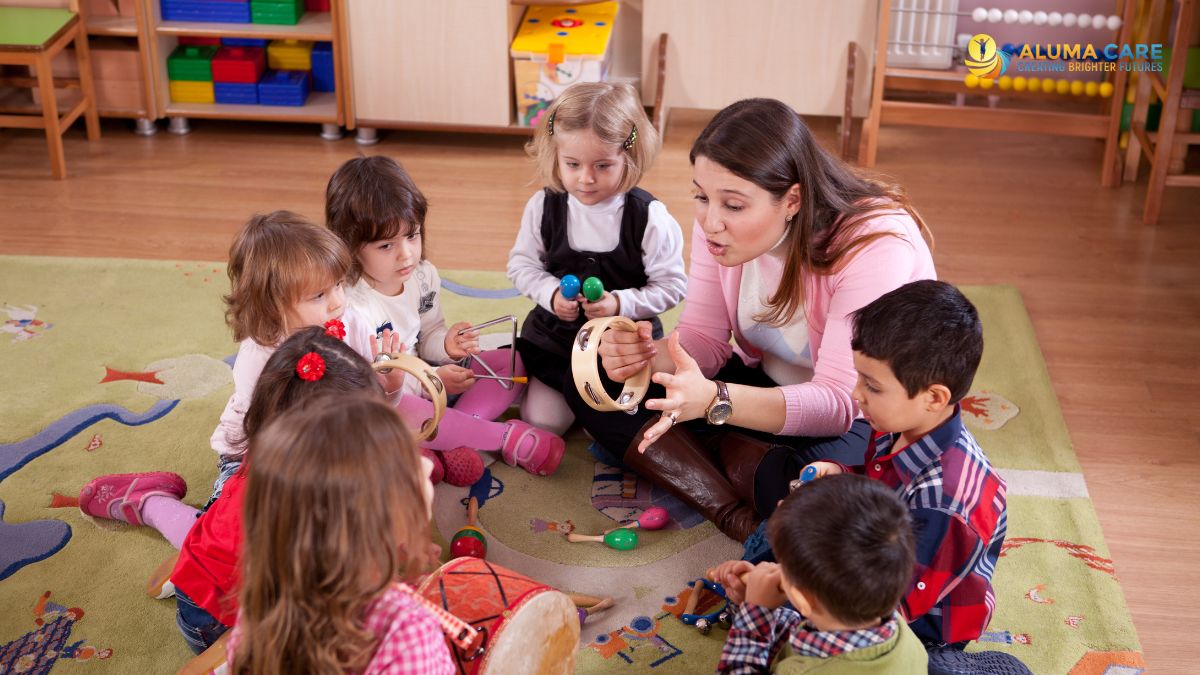
Community settings like stores, parks, libraries, and medical offices bring new sounds, crowds, and rules. Many families want their child to enjoy these places but feel unsure how to prepare. ABA can help bridge the gap between “practice at home” and “real-life trips.”
Behavioral technicians often start by practicing small pieces of community tasks in easier settings. For example, a child might first practice waiting turns at home with a simple game, then try the same waiting skill in a quiet playground line.
Research on ABA-based community and social programs shows that structured practice with prompts and reinforcement can improve social participation and adaptive behavior.
Community-focused ABA goals might include:
- Shopping skills: Walking beside a caregiver, placing items in a cart, and paying at the register.
- Recreation skills: Joining a game, following playground rules, or participating in a class.
- Public behavior: Using a quiet voice in libraries or waiting rooms.
Safety is often a priority. Children may work on responding when their name is called, stopping at curbs, and staying close in busy areas. Studies of ABA programs report that structured teaching can improve safety awareness and reduce dangerous behavior in community settings.
How Can Caregivers Work with a Behavioral Technician Across Settings?
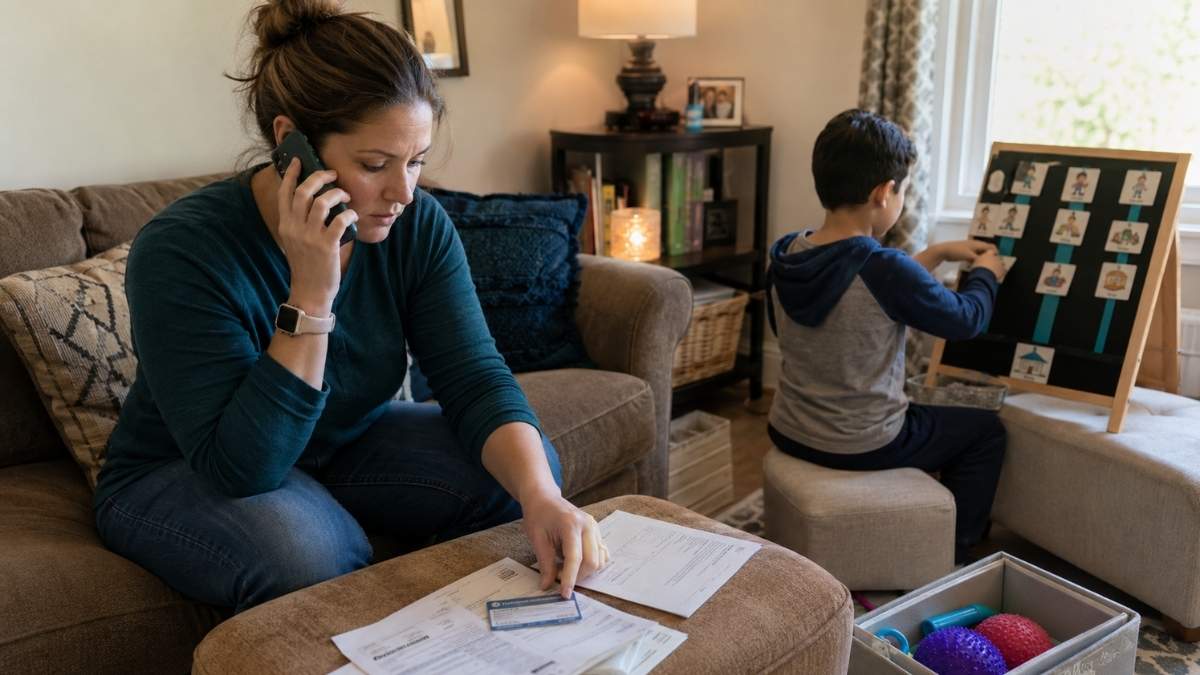
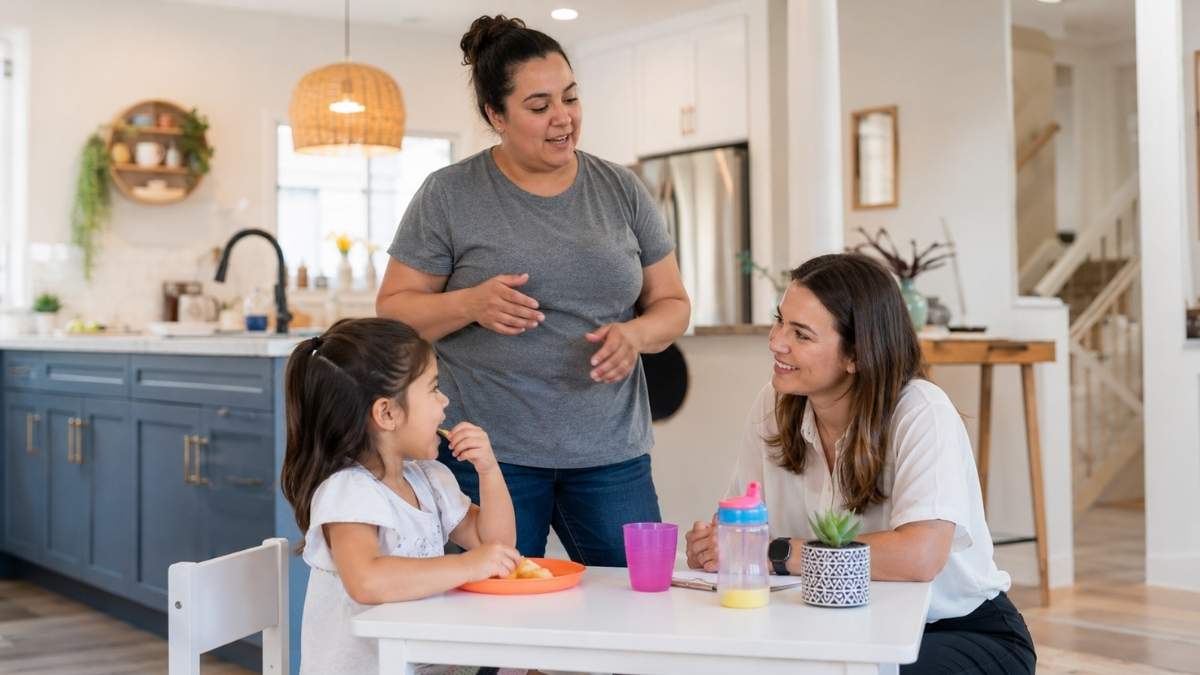
ABA is most effective when caregivers feel like part of the team instead of just watching sessions. ABA caregiver training gives you a place to learn strategies, share feedback, and adapt plans to your own routines at home, school, and in the community.
During caregiver training, a behavioral technician may:
- Review data: Go over simple graphs or notes that show how often skills are used in each setting.
- Model strategies: Demonstrate prompts, visual supports, or reinforcement systems with your child.
- Plan next steps: Decide which skills to practice at home, what to ask teachers for, and how to handle upcoming events.
Research on caregiver-mediated interventions shows that when caregivers are trained in behavioral strategies, they can improve their own skills and support gains in children’s communication and social behavior.
Telehealth studies also suggest that video-based coaching can be as effective as in-person visits for some goals, which can help families in rural areas or with tight schedules.

Frequently Asked Questions
At what age can a child start ABA therapy at home?
A child can start ABA therapy at home as early as age 2, once delays in communication, play, or daily routines are observed. Early intervention between ages 2 and 5 supports gains in language and adaptive behavior. Home goals begin with simple skills and grow in complexity over time.
How many hours of ABA therapy do children usually receive each week?
Children typically receive 25 to 40 hours of ABA therapy per week in early intensive programs, while school-age children may receive fewer hours focused on specific goals. More hours often relate to greater gains, but actual needs vary. Clinicians adjust hours over time based on progress.
Can ABA therapy use telehealth for home and school support?
Yes, ABA therapy can use telehealth for home and school support, especially for caregiver coaching. Behavioral technicians can observe routines over video and give real-time feedback. Research shows telehealth can match in-person outcomes for some goals, though certain skills may still need in-person sessions.
Start Bringing ABA Support Into Everyday Moments
Home, school, and community do not have to feel like three separate worlds for your child. Families searching for ABA therapy services for children with autism in New Hampshire and Kansas can find programs that focus on real homes, real classrooms, and real community outings rather than isolated drills.
At Aluma Care, we work alongside caregivers so behavioral technicians share clear feedback, regular training, and practical tools that fit into mornings, school days, and weekend plans. We draw on current research and our experience in the field so you know what to expect, from first sessions to long-term goals.
When you are ready to talk through your child’s needs and possible next steps, reach out to our team to ask questions, compare options, and plan support that fits your family’s daily life.
────────
EDITOR'S NOTE: Content written by an outsourced marketing team. Information is for educational purposes only and does not replace professional clinical or medical advice.







.png)


.png)