


Key Points:
- Caregiver burnout in autism families results from prolonged stress, emotional exhaustion, and lack of support.
- It affects mental health, sleep, focus, and family routines.
- Burnout disrupts consistency in ABA, slowing the child's progress.
- Recovery begins by adjusting ABA goals, sharing caregiving tasks, and seeking coaching that aligns with current energy levels.
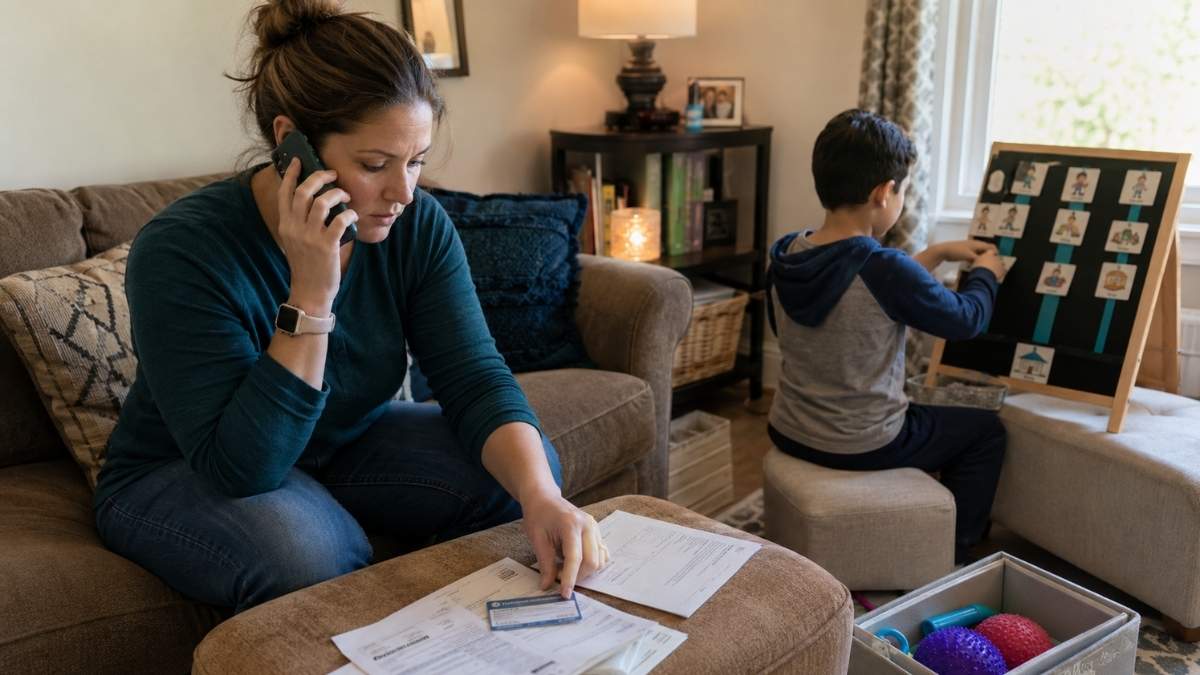
Caregivers of autistic children often reach a point where tired feels like the default setting. You may wake up already tense, hold it together through routines and appointments, then crash once everyone else is in bed. When that cycle repeats for months, it can change your mood, your health, and even how you show up in ABA sessions.
Autism caregiver burnout describes the point where the load feels heavier than the energy you have. It shows up in your body, your thoughts, and your relationships, and it can slow the progress you want for your child.
Understanding what is happening gives you more room to ask for help, adjust goals with your ABA team, and protect your own mental health without stepping away from your child’s needs.

Why Does Caring for an Autistic Child Feel So Heavy?
Caring for an autistic child often includes more planning, more emotional work, and more constant alertness than people outside your home notice. A recent review on caregiver stress found that caregivers of autistic children face higher levels of depression, anxiety, relationship strain, and poorer physical health than many other caregiver groups.
Autism caregiver exhaustion often builds from several layers at once:
- High-stakes decisions. You may feel pressure to choose the right school, provider, or therapy schedule.
- Constant coordination. There are calls, forms, and meetings with schools, medical teams, and ABA providers.
- Daily behavior support. You track patterns, try strategies at home, and keep one eye on safety all day.
On top of that, there is the invisible emotional work of answering other people’s questions about autism, advocating in systems that may not understand your child, and holding your own fears about the future.
Some caregivers find it helpful to turn small self-preservation techniques into daily habits, such as taking a short sensory break while a behavioral technician sets up the next activity.
What Is Autism Caregiver Burnout?
Autism caregiver burnout is more than feeling tired after a rough week. It is a state of emotional and physical depletion that builds when caregiving demands stay high, and support stays low for a long time.
Common features of autism caregiver burnout include:
- Feeling emotionally flat, detached, or resentful most days
- Struggling to enjoy time with your child, even though you care deeply
- Seeing your patience fade and your reactions get sharper
- Wondering whether you are failing, even while doing a lot
A global review estimated that about 45% of caregivers of children with autism had significant depressive symptoms, which shows how often the mental health of autism caregivers is affected by long-term strain.
Burnout is also different from autistic burnout. Autistic burnout happens inside the nervous system of the autistic person and can include extreme fatigue, loss of skills, and shutdown after long periods of masking and sensory stress.
When autism caregiver burnout is present, both caregiver and child need support. That support can include medical care, mental health care, and structured ABA plans that match your current energy level.
What Are the Early Signs of Caregiver Fatigue?
Autism caregiver burnout often starts as smaller, quieter signals. When you catch signs of caregiver fatigue early, it becomes easier to ask for help and adjust expectations with your ABA team.
Physical signs may include:
- Frequent headaches or muscle tension. Pain shows up in the shoulders, jaw, or lower back.
- Sleep trouble. You lie awake replaying the day, or wake up too early and cannot fall back asleep.
- Constant tiredness. Even restful days do not leave you feeling restored.
Emotional signs often look like:
- Irritability. Small delays or changes trigger bigger reactions than they used to.
- Hopeless thoughts. You catch yourself thinking nothing will change, even when progress is happening.
- Guilt. You feel bad for snapping, canceling plans, or needing time alone.
Thinking and behavior changes can appear, too:
- Foggy focus. It is harder to track school messages, medical notes, or ABA homework.
- Avoidance. You delay returning calls, reading reports, or scheduling meetings.
- Automatic reactions. You respond on autopilot instead of with the strategies you know.
One recent study found that about 20% of parents of children with autism were already in a current parenting burnout group, with over 70% reporting high parenting stress. For some caregivers, stress reactions shift from feeling worn down to feeling haunted by specific crises, such as hospital stays or safety incidents.

How Does Burnout Affect ABA Routines and Family Life?
Autism caregiver burnout touches every part of family life. It can also affect how consistently ABA plans are used outside of session time.
At home, burnout may show up as:
- Shorter temper during transitions or behavior incidents
- Less energy for home practice activities
- More arguments with partners or relatives about routines
On the ABA side, caregivers who feel drained may:
- Cancel or reschedule more sessions
- Skip recording behavior data or notes
- Feel too discouraged to ask questions during caregiver training
A large study of autism caregivers found that they had higher levels of psychological difficulties and possible immune changes compared with caregivers of non-autistic individuals, which underlines how heavy the load can become.
When caregivers are stretched past their limits, children may receive less consistent practice in communication, daily living, and coping skills. That can slow progress, even when behavioral technicians are providing solid sessions.
Targeted support can reduce some of this pressure. For example, ABA therapy for self-regulation may focus on helping a child use visual supports, coping tools, and clear routines so evenings involve fewer intense behaviors and less stress for caregivers.

How Can ABA Help With Burnout Recovery for Caregivers?
There is no quick fix for autism caregiver burnout, but ABA can offer structure for change. The same tools used to shape a child’s skills can support burnout recovery that caregivers want to start.
A useful first step is to talk openly about your load during caregiver training. You might share:
- Which home activities feel realistic right now
- Which parts of the day feel most stressful
- Where you need clearer instructions or fewer tasks
Together with your behavioral technician, you can then:
- Prioritize goals. Focus on a smaller set of behaviors, so practice feels doable.
- Embed practice into routines. Attach skills to existing tasks, such as dressing, meals, or school prep.
- Adjust expectations. Match plans to your current energy rather than an ideal version of yourself.
ABA can address these areas by:
- Giving you simple, repeatable scripts for hard moments
- Helping you break complex goals into small steps
- Offering regular feedback so you can see what is working
For some families, in-home ABA therapy reduces the logistical strain of driving to a clinic and makes it easier to fit caregiver coaching into real routines. When ABA plans are shaped around the realities of autism caregiver burnout, they are more likely to last.
What Support for Autism Families Helps Caregivers Stay Well?
Support for autism families works best when it includes support from both inside and outside the home.
Inside the home, it may help to:
- Share a simple behavior plan with all adults to ensure consistent responses.
- Decide who covers mornings, evenings, or appointments when possible.
- Give siblings clear rules and small, fair roles instead of vague expectations.
Outside the home, support might include:
- Peer groups for autism caregivers
- Friends or relatives who can handle specific tasks
- Medical and mental health providers who understand autism-related stress
A systematic review on depression in caregivers of children with autism estimated that almost half experience significant depressive symptoms, which shows how much caregivers need their own support network.
Within ABA, structured ABA therapy and parent coaching provide a powerful layer of support. Through these programs, caregivers can learn to use the same reinforcement, prompting, and coping tools that behavioral technicians apply in session.

Frequently Asked Questions
Is autism caregiver burnout permanent?
Autism caregiver burnout is not permanent. It can last for a long time if stress stays high and support remains low, but recovery is possible. Research shows that burnout levels change when stress decreases, support increases, and coping improves, making lasting relief achievable with the right conditions.
When should a caregiver seek professional help for burnout?
Caregivers should seek professional help for burnout when daily functioning begins to decline. Burnout that disrupts sleep, appetite, relationships, or safety signals a need for support. Research shows nearly half of caregivers of autistic children experience depressive symptoms, making early mental health care both common and appropriate.
Can sharing ABA tasks with other adults really reduce burnout?
Yes, sharing ABA tasks with other adults can reduce burnout when done with clear roles and support in place. Research links higher social support to lower caregiver stress and burnout. When multiple adults follow the behavior plan, caregivers get the rest they need without disrupting the child's consistency.
Take the Next Step Toward Shared Support
Caregiving in an autism household asks a lot from one person. With the right mix of adjusted goals, practical coaching, and shared responsibility, it is possible to move from constant strain toward a more balanced daily rhythm.
Families seeking ABA therapy services in New Hampshire and Kansas can look for care that combines direct support for children with steady coaching and feedback for caregivers, so that progress feels shared rather than resting on one person’s shoulders.
At Aluma Care, we partner with caregivers through regular training sessions, clear communication with behavioral technicians, and ABA plans that respect both your child’s goals and your limits.
If you feel close to burnout or are already past it, talk to us. We’ll help you explore options that can help your whole family breathe a little easier while your child keeps building skills.
────────
EDITOR'S NOTE: Content written by an outsourced marketing team. Information is for educational purposes only and does not replace professional clinical or medical advice.











.png)


.png)