


Key Points:
- The best ABA therapy in Kansas combines evidence-based strategies with family-centered support.
- Programs should offer clear goals, consistent caregiver training, and routines that match real life.
- In-home and clinic sessions work best when coordinated.
- Effective ABA respects each child’s needs and reduces caregiver stress through collaboration and practical tools.
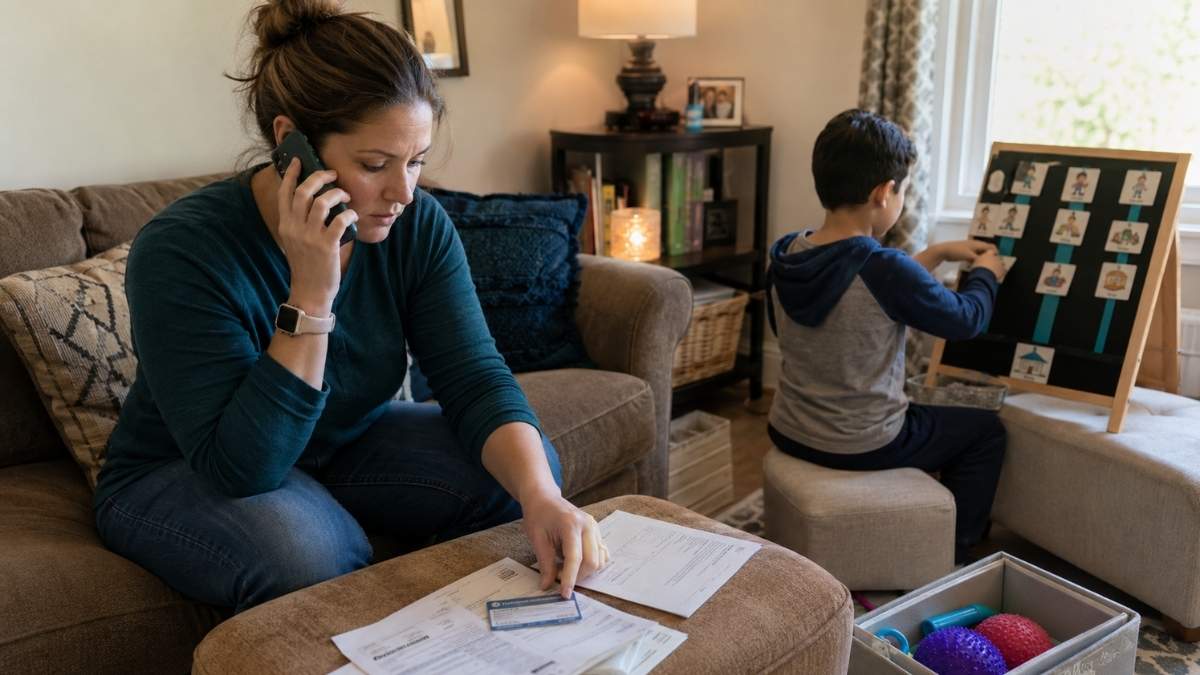
Families often manage school emails, behavior notes, and waitlists while searching for support that actually helps at home. ABA programs can sound similar in brochures, yet they feel a big difference when a team understands real routines, siblings, and caregiver stress.
You want ABA that helps your child grow and also makes your own days feel lighter, not more crowded. The best ABA therapy in Kansas usually means clear goals, practical support for caregivers, and a team that thinks about the whole family, not just one child’s behavior plan.

What Does “The Best ABA Therapy in Kansas” Really Mean?
Across CDC surveillance sites, about 1 in every 31 eight-year-old children in the United States was estimated to have autism in 2022, and rates have continued to rise compared with earlier reports. That means more Kansas families are seeking support at the same time.
According to federal special education data, 7.54% of Kansas students receiving IDEA services were identified as autistic in the 2022–23 school year, up from 6.73% in 2018–19, while the national share rose from 11% to 12.81% over the same period. Those numbers show how common autism support has become in Kansas schools and communities.
More caregivers are now looking for signs that you have found a quality ABA program in Kansas, such as individualized goals, transparent data sharing, and clear feedback during caregiver meetings, rather than relying only on star ratings or word of mouth. Families also watch how behavioral technicians interact with children during early visits.
When you put these pieces together, “best” usually means:
- Evidence-based practices that match your child’s age and needs.
- Family-centered planning that includes caregivers in decisions.
- Consistent behavioral technicians who show up on time and know your child well.
- Honest communication about progress, plateaus, and next steps.
How Do Comprehensive ABA Programs Support Everyday Life?
Many comprehensive ABA programs use a mix of structured teaching and natural play to address communication, self-care, safety, and social interaction within a single plan.
Large research reviews of early intensive behavioral and developmental programs report meaningful gains in IQ, language, and adaptive skills when young children receive intensive ABA-based intervention compared with usual services.
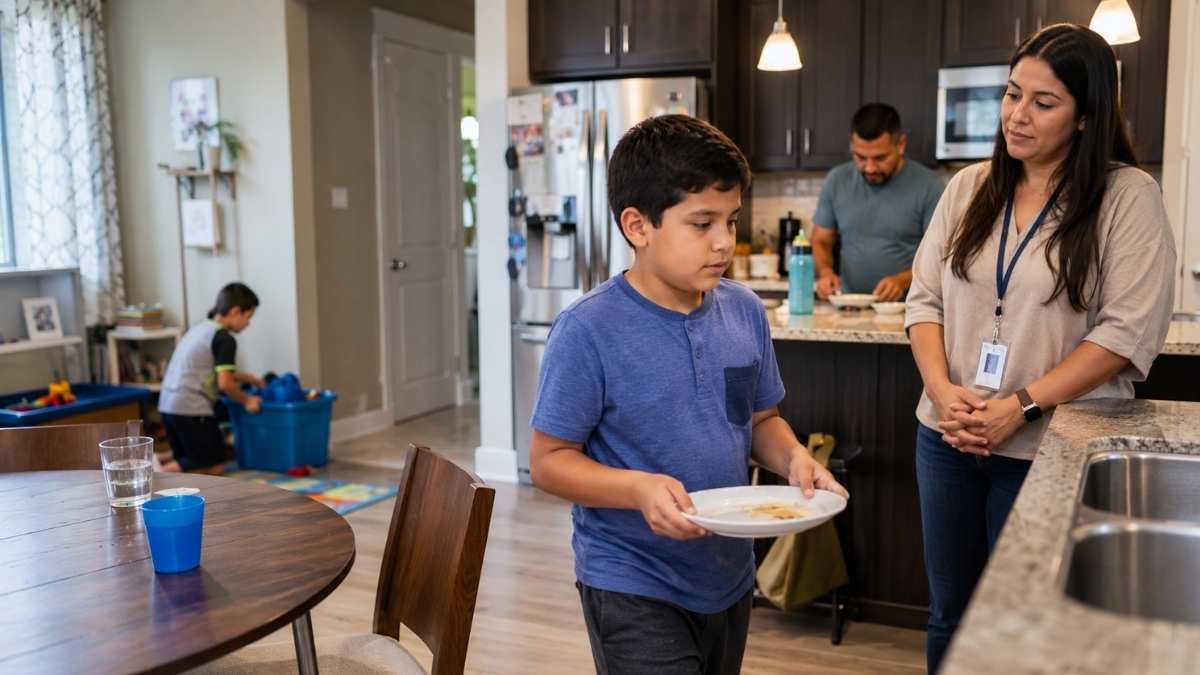
Family-centered programs translate that research into everyday routines. Instead of drilling skills in isolation, behavioral technicians build sessions around moments that already happen in your home or community, such as:
- Morning routines like dressing, brushing teeth, and getting to school on time.
- Meals and snacks where children can request items, share space, and practice waiting.
- Play time that encourages turn-taking, shared attention, and flexible play ideas.
- Community outings that build safety skills, such as staying close and responding to instructions.
Research on parent- and caregiver-mediated interventions shows that when adults learn structured strategies and use them between sessions, children can gain in adaptive functioning and communication.
Some caregivers worry that comprehensive programs will feel too clinical. In many Kansas ABA therapy centers, teams now blend structured teaching with child-led play, so programs stay grounded in evidence while still feeling warm and responsive.
Families who want more detail about how early goals are sequenced often review ABA therapy and early intervention information that explains how early programs build skills step by step before kindergarten.
How Does Family-Centered ABA Reduce Stress at Home?
Caregivers often describe life before ABA as a series of constant small crises. Everyday tasks like getting into the car, taking a bath, or switching off a tablet can trigger big reactions, especially if a child has limited ways to communicate needs.
If you’re still in search of the “best ABA therapy in Kansas,” it usually includes regular caregiver training sessions, often weekly or biweekly, that focus on:
- Understanding behavior functions such as escape, attention, or access to items.
- Using simple, consistent prompts so your child knows what to expect.
- Reinforcing small steps toward bigger goals, not only “perfect” behavior.
- Planning ahead for hard times of day, like evenings or transitions.
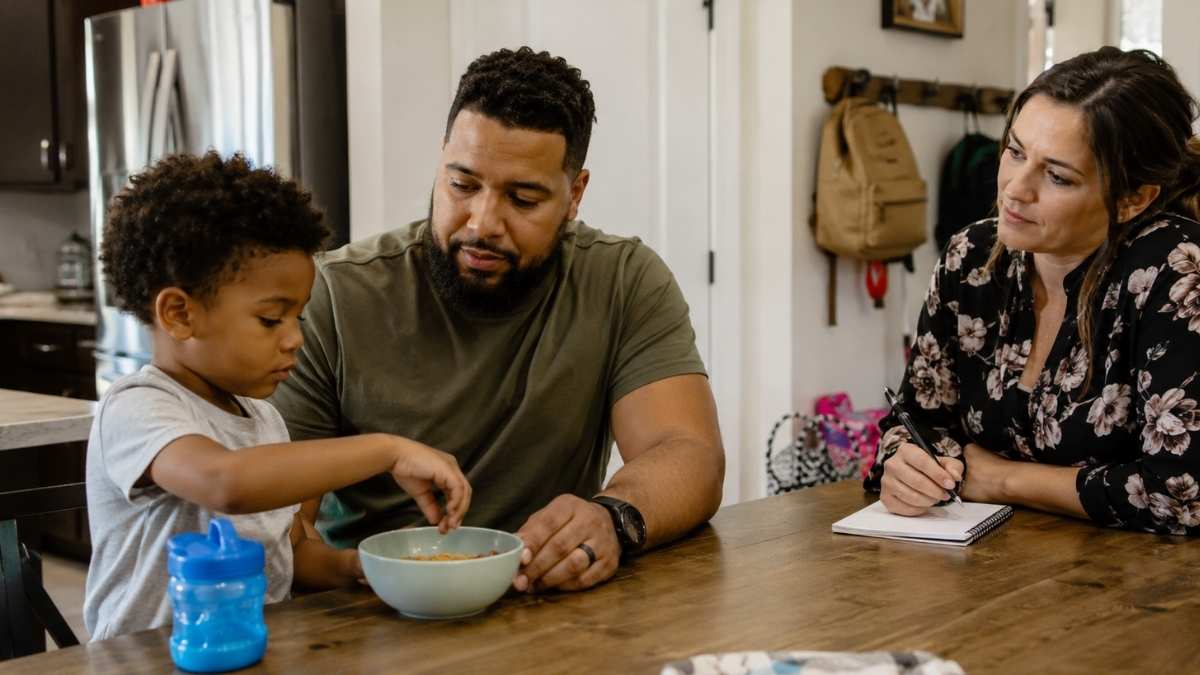
During these sessions, caregivers meet directly with a behavioral technician and sometimes a clinical supervisor to review data, watch short demonstrations, and practice strategies themselves. That direct contact gives you space to ask detailed questions in private, rather than trying to catch someone at the door for a quick update.
Many families also find it easier to repeat the same phrases and prompts that their in-home ABA therapy services team uses, so the child hears consistent language in sessions and at home.
What Should You Look For in Kansas ABA Therapy Providers and Centers?
Choosing among Kansas ABA therapy providers can feel like a lot of pressure, especially if you worry about losing time on a waitlist. A helpful starting point is to ask very specific questions about how providers build and adjust plans.
Caregivers often ask centers about:
- Assessment process: How long does it take, and who observes the child?
- Goal setting: How many goals run at once, and how often are they updated?
- Team structure: How many hours each week will the same behavioral technician work with your child?
- Caregiver involvement: How often will you have formal training and feedback sessions?
Kansas law also plays a role. State insurance rules require many health plans to cover ABA therapy for autistic children, with coverage limits that can reach 1,300 hours per year for young children and 520 hours per year for children under 12, depending on the individual.
Understanding those limits helps caregivers choose a provider that can design realistic schedules within the hours your plan supports.

How Do In-Home and Center-Based ABA Work Together in Kansas?
Families rarely live in a single setting. Children move from home to car to school to playground, and sometimes to a clinic in one day. The best ABA therapy in Kansas usually treats those settings as connected pieces rather than separate worlds.
For some children, center-based sessions help build skills that require special materials or a structured environment. For others, in-home sessions are essential for addressing routines like sleep, meals, and hygiene.
Caregivers often describe a few patterns that work well:
- Clinic first, then home: Start structured teaching at an ABA center, then bring those skills into home routines.
- Home first, then clinic: Begin with safety or self-care at home, then practice flexibility and group skills in a classroom at the center.
- Blended schedules: Mix home and center visits across the week so skills stay strong in both places.
In all of these models, a family-centered approach keeps caregivers involved in decisions about where sessions happen, how often they change, and which routines matter most right now.
Frequently Asked Questions
At what age do children usually start ABA therapy in Kansas?
Children in the United States, including those in Kansas, usually start ABA therapy between the ages of two and five, often after an autism diagnosis or clear developmental concerns. Some begin earlier through early intervention, while others start closer to kindergarten. The ideal age is when structured support is needed, and the family is ready to engage.
How long does it usually take to see progress from ABA therapy?
Progress from ABA therapy often begins with small changes in daily routines within a few months and builds over one to two years with consistent support. Studies show that structured programs over a year or more lead to meaningful gains in IQ, language, and adaptive skills.
Are there statewide autism supports in Kansas that can complement ABA therapy?
Yes, Kansas offers statewide autism supports that complement ABA therapy. The Kansas Technical Assistance System Network’s Autism and Tertiary Behavior Supports (ABTS) program provides school-based training and coaching in evidence-based strategies. As more students with autism receive IDEA services, ABA teams can coordinate with trained educators to support consistent goals across home and school.
Start Finding Family-Centered ABA Support in Kansas
Caregivers seeking the best ABA therapy in Kansas are usually looking for more than just a schedule of sessions. You want behavioral technicians who respect your child’s communication style, plans that fit real homes and schools, and progress reviews that speak to daily life, not just data sheets.
Family-centered ABA therapy services in Kansas can offer that kind of support by combining evidence-based strategies with practical coaching for caregivers. At Aluma Care, we focus on clear goals, regular caregiver training, and collaboration that honors each child’s strengths as well as their challenges.
When you reach out, you can expect our team to walk through your child’s history, listen carefully to your priorities, and explain what the first months of therapy may look like before you make any decisions. Contact us to ask questions, review options, and see whether our family-centered approach is a good fit for your child and your daily life.
────────
EDITOR'S NOTE: Content written by an outsourced marketing team. Information is for educational purposes only and does not replace professional clinical or medical advice.










.png)


.png)