

Key Points:
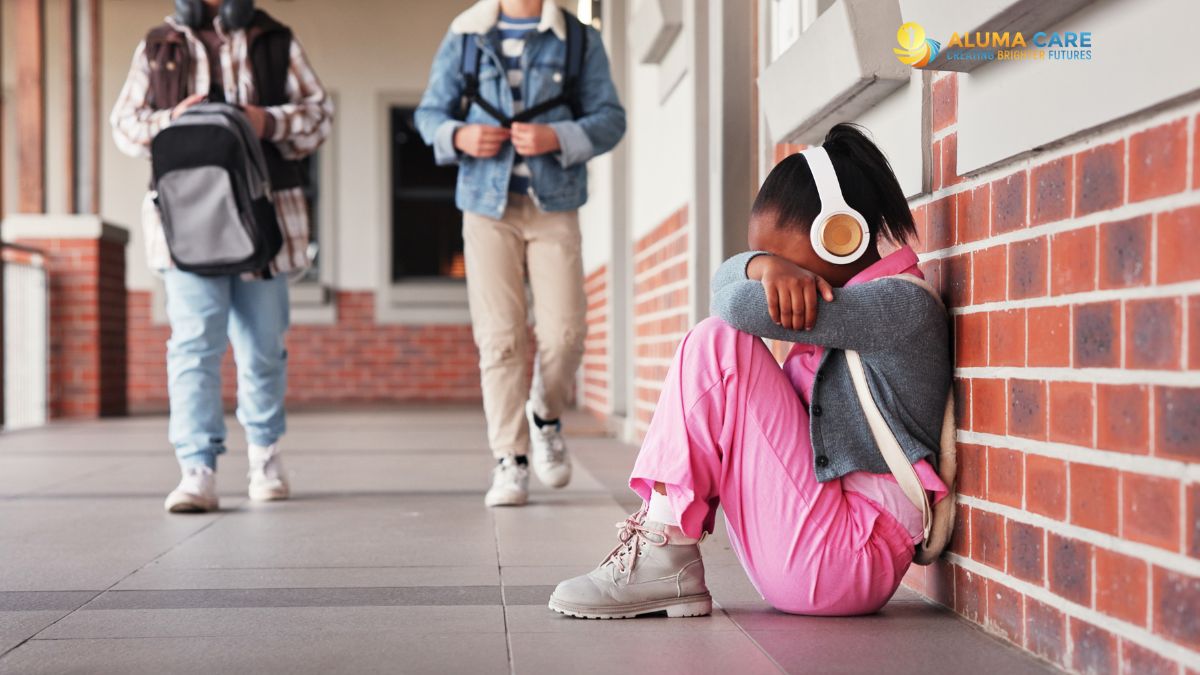
- Autistic masking starts in childhood as a response to social rejection, bullying, and pressure to appear "typical."
- It can lead to exhaustion, anxiety, depression, and burnout.
- Although masking may reduce short-term conflict, constant suppression of autistic traits damages mental health, especially when children feel unsafe being themselves at school or home.
Many families notice a child who appears to do “well” in public but returns home drained, irritable, or shut down. The outside world sees smiles and good behavior. The child feels like they are acting all day.
Autistic masking happens when an autistic person hides traits or copies others so they seem more “typical.” Autism camouflaging covers the same idea, especially around social skills and body language. These patterns can reduce conflict in the short term but place a heavy load on a child’s body and mind.
By looking at why masking starts and how it connects to anxiety, depression, and burnout, caregivers and behavioral technicians can shape support that protects mental health instead of rewarding only “good performance.”

What Is Autistic Masking and Autism Camouflaging?
Autistic masking is the effort an autistic person makes to hide traits, push through sensory discomfort, or copy social rules to blend in. Autism camouflaging often looks like rehearsed small talk, forced eye contact, or copying facial expressions to match what others expect.
Many autistic adults describe camouflaging as a social coping strategy, which is like playing a role that never ends. They talk about tracking where to look, how much to smile, and when to laugh, while also worrying about misreading the room. Children can start this pattern long before they have words to explain it.
Examples of hiding autism symptoms include:
- Copying peers: Matching slang, posture, or humor, even when it feels confusing.
- Holding back sensory needs: Keeping hands still, forcing eye contact, or staying in noisy spaces to avoid comments.
- Using scripts: Repeating lines from shows or rehearsed phrases instead of speaking freely.
- Over-monitoring behavior: Checking every gesture, tone of voice, or facial expression in social situations.
Family-centered ABA therapy services can focus on skills like communication, coping, and self-advocacy, so children have safer options than constant performance.
Why Does Autistic Masking Start in Childhood and Teens?
Autistic masking usually grows from repeated messages that natural behavior is wrong or risky. School and peer experiences have a big role. One national summary reports that about 67% of children and adolescents with autism, and over 60% of young adults with autism, experience bullying.
When a child is targeted for being different, autism social masking can become a survival tool to reduce that risk.
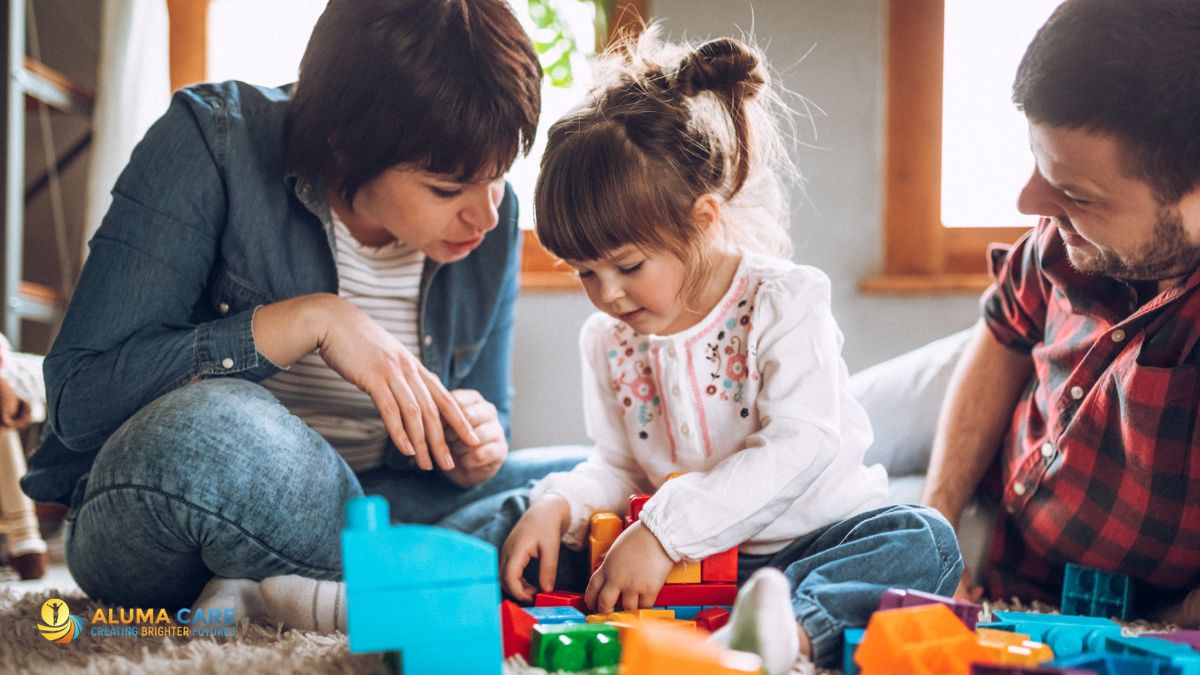
Home life also shapes masking. Caregivers who were never told much about autism may focus heavily on “good manners” or “calm behavior” without realizing the strain this adds. Some children learn to hide autistic traits to protect siblings, avoid conflict, or keep adults from worrying.
Caregivers can lower the pressure to hide by:
- Giving clear language for autism: Naming strengths and needs so the child knows “why” they feel different.
- Separating safety rules from appearance rules: Focusing on safety and kindness more than eye contact or still hands.
- Advocating at school: Asking for sensory supports, quiet spaces, and teachers who understand autistic communication.
- Modeling acceptance: Praising honest communication, even when it is awkward or unexpected.
An integrated ABA approach that follows the child across home, school, and community can help align expectations so the child does not have to act like a different person in every setting.
How Does Autistic Masking Affect Mental Health?
The mental health impact of masking shows up in research again and again. Autistic people already face higher rates of anxiety and depression than their non-autistic peers, and masking adds more strain.
One large meta-analysis of autistic youth found that about 25% had experienced suicidal thoughts and about 8% had attempted suicide, with death by suicide estimated at 0.2%.
Camouflaging itself seems linked to this risk. A 2024 study reported that people who camouflaged more had higher symptoms of anxiety, depression, and stress, even after taking overall autistic traits into account.
As energy declines, masking and burnout often intensify one another. Common signs include:
- Sharp loss of energy: A child comes home from school and cannot engage in favorite activities.
- Skill regression: Daily living skills or communication drop during high-stress periods.
- Growing dread of social demands: Worry or panic before school, activities, or family events.
- Body symptoms: Headaches, stomachaches, and sleep problems without clear medical causes.
An experienced ABA clinical team can track these changes alongside behavior data and adjust goals so gains do not come at the cost of mental health.
How Can Caregivers Spot Autistic Masking Day to Day?
Autistic masking is hard to see because the whole point is to hide. Still, caregivers can look for patterns that do not match the surface picture.
One common pattern is a child who looks calm and social in structured settings but falls apart at home, where it feels safer to release tension. Some children seem “easy” to teachers but later express distress through behavior, sleep changes, or silence.
Signs that may point to hiding autism symptoms include:
- Big gaps between settings: Very different behavior reports from school, community, and home.
- Scripted talk: Repeated phrases or jokes that do not always match the situation.
- Over-apologizing: Taking blame quickly to avoid conflict or disapproval.
- Delayed distress: Calm behavior during outings followed by intense emotional release afterward.
Caregivers can respond by:
- Tracking patterns with notes: Brief logs of energy, mood, and behavior before and after high-demand events.
- Asking simple questions: “When do you feel like you are pretending?” or “What helps you feel more like yourself?”
- Adjusting expectations at home: Building in quiet time after school and limiting back-to-back activities.
- Sharing observations: Giving schools and providers real examples of after-school distress, not just daytime behavior.
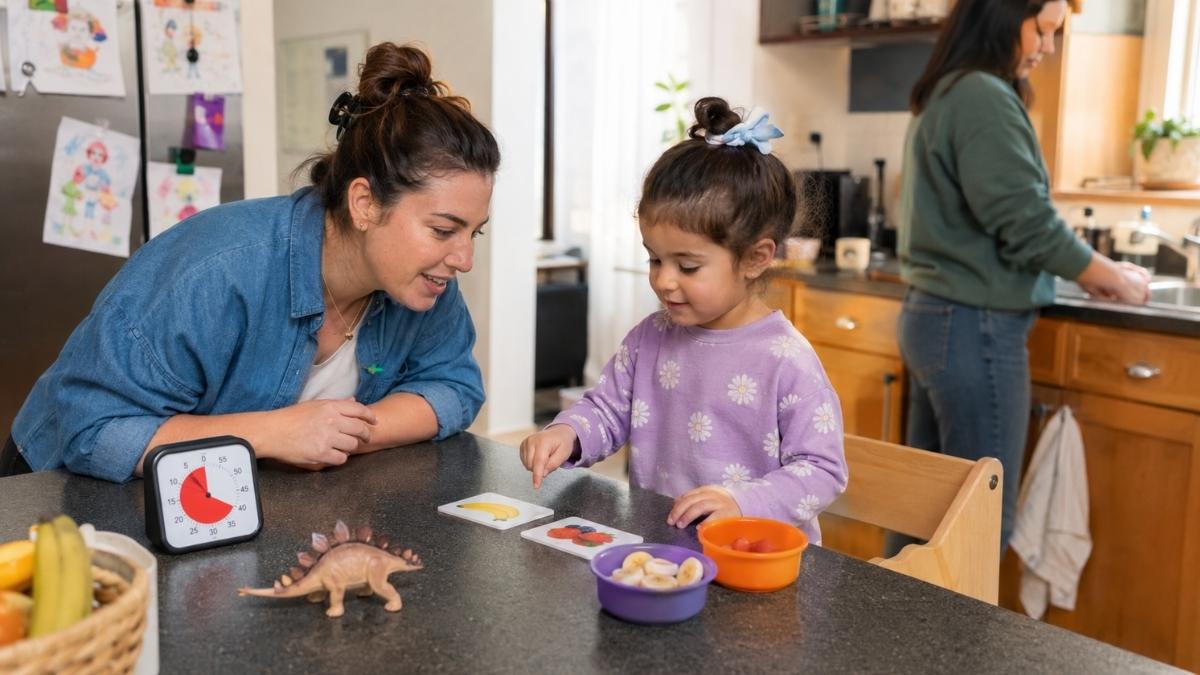
With in-home ABA therapy, behavioral technicians can see how the child behaves in familiar spaces and help caregivers practice responses that reduce pressure to perform.
How Can ABA Therapy Reduce Harm From Masking?
ABA therapy cannot remove every social demand an autistic child faces, but it can change what “success” looks like.
Supportive ABA plans usually:
- Teach functional communication: Help children ask for breaks, changes in activity, or sensory tools using spoken words, devices, or pictures.
- Reward honest signals: Celebrate when a child says “too noisy,” covers their ears, or chooses a quiet corner, rather than only rewarding eye contact and still hands.
- Build flexible routines: Use visual schedules and planned small changes so the child learns they can handle shifts without hiding distress.
- Coordinate across settings: Align expectations between home, school, and community supports so children are not juggling three different sets of rules.
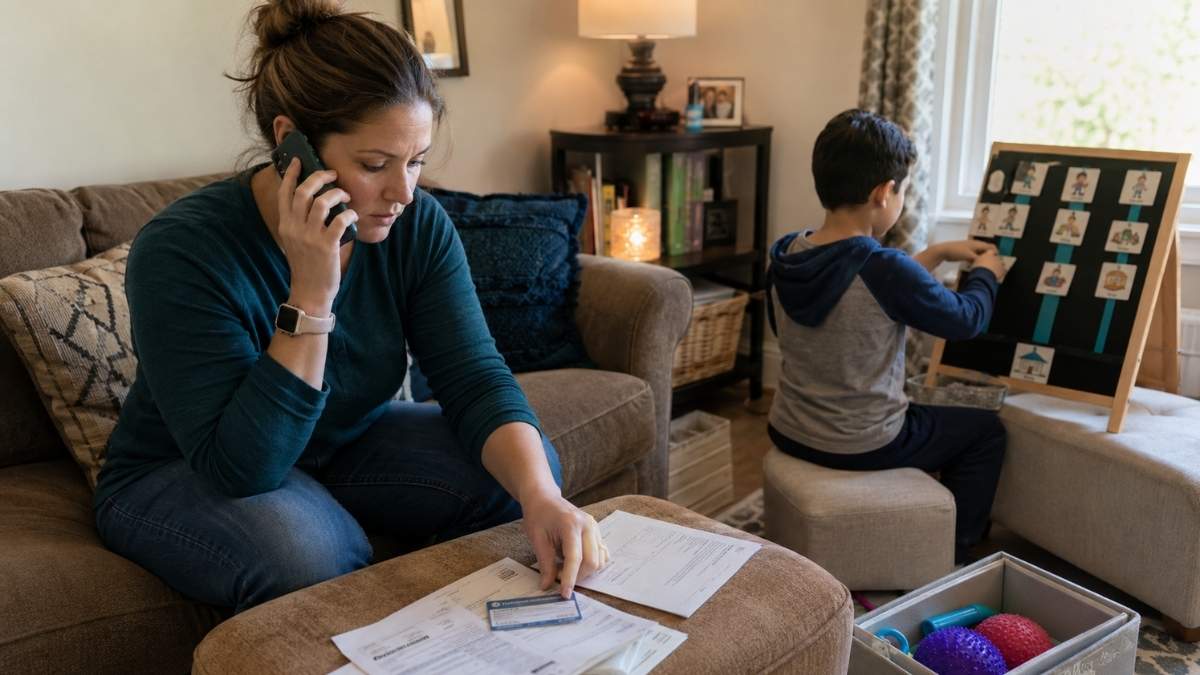
Caregiver training sessions, often held weekly or every other week, give caregivers time with a behavioral technician to discuss masking and burnout, practice advocating scripts for school, and try out new coping tools together. For some families, virtual ABA therapy makes these meetings easier to attend without extra travel or sensory load.

Frequently Asked Questions
Is autistic masking always harmful, or can it sometimes help?
Autistic masking can help in short-term, unsafe, or unfamiliar situations by reducing conflict. However, constant masking, especially in safe spaces like home or school, can be harmful. Research links long-term masking to higher anxiety, depression, and suicidality, making balance and support essential.
Can autistic masking happen during online learning or social media?
Yes, autistic masking can occur during online learning or on social media. Children may edit responses, mimic others, or stay active while overwhelmed to avoid judgment. This pressure to perform can lead to stress, even in virtual spaces meant to feel safer or more flexible.
How can caregivers talk about autistic masking without causing shame?
Caregivers can talk about autistic masking without causing shame by acknowledging the effort and focusing on safety. Saying, “You work hard to fit in,” validates the experience. Adding, “You don’t have to pretend all the time,” shifts the focus to comfort and self-respect, not blame or correction.
Help Your Child Unmask in Safe Spaces
Autistic masking and camouflaging can help a child get through the day, but over time, they can drain energy, blur identity, and raise mental health risks. Families who want structured help in easing that pressure can look into ABA therapy services for children with autism in New Hampshire and Kansas.
At Aluma Care, we focus on practical skill-building, steady caregiver training, and clear communication with a behavioral technician, so you never have to guess how to support your child when masking shows up.
If you are ready to make home, school, and community feel safer for your child to be themselves, contact us to talk through your goals and see how we can build a plan that supports both progress and mental health.
────────
EDITOR’S NOTE: Content written by an outsourced marketing team. Information is for educational purposes only and does not replace professional clinical or medical advice.











.png)


.png)