


Key Points:
- ABA life skills for teens focus on daily routines, hygiene, safety, communication, and social participation.
- ABA therapy breaks each skill into smaller steps, uses prompts, and tracks progress through age-appropriate goals.
- Caregiver training helps teens practice these skills at home and in the community between sessions.
Many people think Applied Behavior Analysis is only for toddlers learning to point or match shapes. You may wonder if it can help an older child with different daily expectations. ABA life skills teens programs focus on practical, everyday routines.
As your child grows, their needs change. Support can change toward hygiene, basic safety, and social participation. This helps your teen learn practical steps for daily life at home and in the community.

Does ABA Therapy Work for Teenagers?
ABA therapy services can work well for teenagers. When focused on ABA life skills teens programs, older children practice everyday tasks. Behavioral technicians look at where a teen is now and what they need to learn next.
Some caregivers worry that starting services in the teen years is too late. It is not too late. Age does not remove the need for useful habits. Programs for older children respect their interests, privacy, and dignity.
How ABA Life Skills Teens Goals Change as Children Get Older
Younger children often focus on basic requests, imitation, or matching colors. As your child grows, those targets change. Instead of early play, the focus turns to multi-step routines, hygiene, and safety choices. Many caregivers look up an autism adulthood transition ABA plan because they worry about the future. While planning matters, everyday programs focus directly on the steps your teen needs right now.
From Foundational Skills To Real-World Routines
Teens build routines that help reduce constant reminders. These routines focus on real-world actions such as:
- Following a morning or evening routine with fewer caregiver prompts.
- Completing personal care steps in order.
- Asking for assistance clearly when something goes wrong.
- Handling safety steps when crossing streets or visiting stores.
- Practicing respectful social exchanges with peers and adults.

What Life Skills Can ABA Therapy Help a Teen Practice?
Older children move through home and community settings each day, and managing them takes practice. One review on daily living skills for adolescents and young adults with autism looked at students ages 12 to 22. The studies showed that structured behavioral support can teach practical routines to older students.
Here is what that can look like in daily practice.
ABA Life Skills Teens Goal Examples to Discuss With a BCBA
When you sit down with a specialist, the goals you set actually fit your family’s everyday life. ABA life skills for teens usually focus on things like:
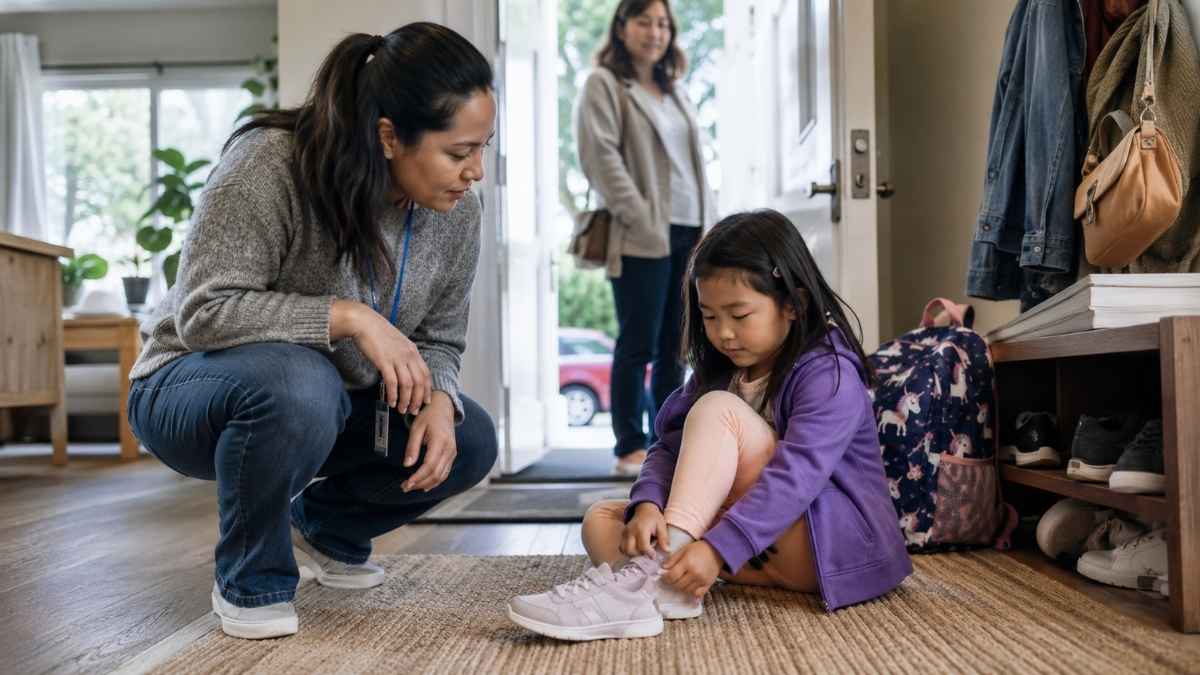
- Personal hygiene. Brushing teeth, washing hands, putting on deodorant, fixing their hair, getting dressed. Each task gets broken into small steps they can actually follow.
- Daily routines. Your teen learns to check a picture schedule, phone reminders, or a quick list before moving on to the next thing.
- Simple meal prep. Grabbing ingredients, following easy directions, wiping down the counter after, and knowing when to ask for help.
- Staying safe in public. They practice crosswalks, how to act in stores, and what to do if they lose sight of you.
- Social skills. Saying hi, taking turns in conversation, switching topics, saying no without sounding rude.
- Self-help habits. These go after independent living skills directly but skip the big, flashy promises about total independence.
How a BCBA Builds Goals Around a Teen’s Level And Interests
A Board Certified Behavior Analyst (BCBA) works independently to design behavior plans and supervise the staff who run them. Before building a program, an ABA assessment looks at current skills, family concerns, and what your teen likes. They choose goals that are practical, easy to measure, and fit your teen's age.
A behavioral technician practices these skills during sessions. The plan changes when data shows your teen needs a new step. At Aluma Care, we design individualized programs that support learning, independence, and progress for children.
How Caregiver Training Helps Skills Carry Into Daily Routines
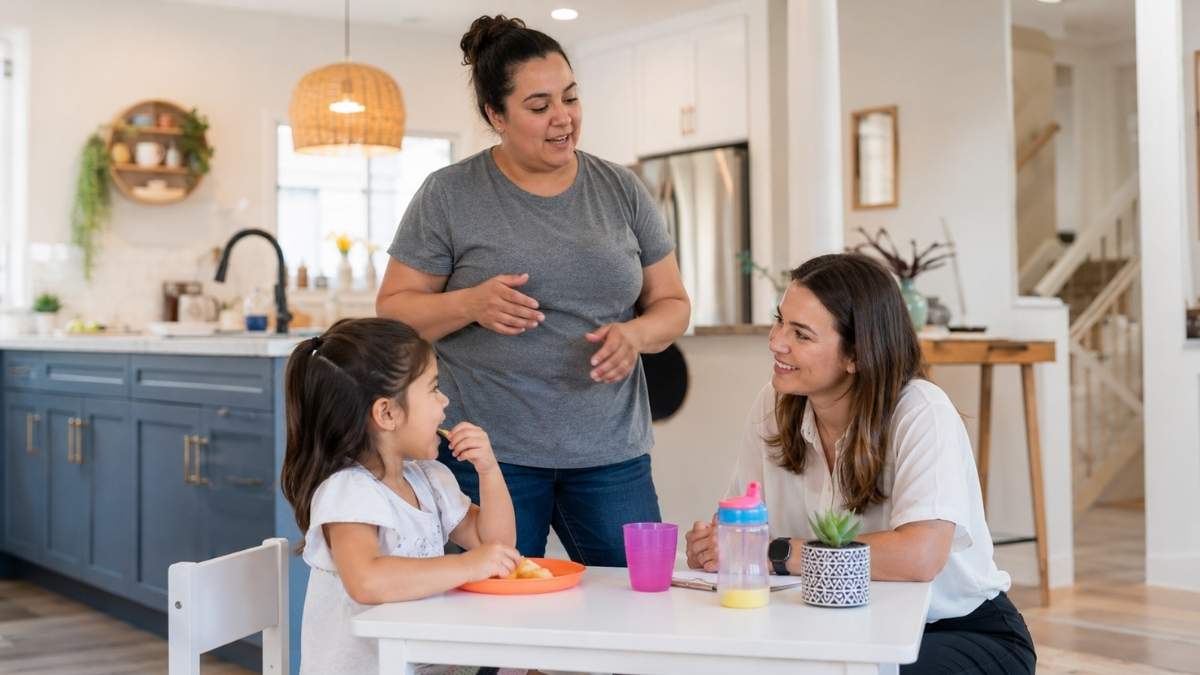
Learning a skill during a therapy session is only the first step. For a teen to use a routine every day, they must practice outside of session times. Caregiver training gives you a regular space to talk with your BCBA. You can find out exactly how to practice these habits at home, what specific prompts to use, and when to step back so your teen can try it alone.
These training sessions usually happen weekly or biweekly. During this time, you can ask how a hygiene or safety goal is being tracked. The BCBA can explain what progress looks like in your house.

FAQs About ABA Life Skills Teens
What does ABA therapy look like for a teenager?
ABA therapy for teens often centers on real daily routines, communication, safety, and social skills. A session may include step-by-step teaching, role play, caregiver updates, and data review. The plan depends on the teen’s needs and goals.
Can ABA therapy help a teen who needs a lot of prompting?
Yes, it helps by breaking tasks into smaller steps. The BCBA slowly fades the prompts so the teen takes over the routine. Progress looks different for everyone.
What are teen ABA success tips caregivers can use between sessions?
Start by choosing one skill and one routine. Keep communication open with your BCBA. Ask which prompts to use, when to pause, and how to help when they struggle. Consistent practice bridges the gap.
Talk With A BCBA About Age-Appropriate Life Skills
Teen ABA goals should feel practical, respectful, and useful in daily life. The right goals can help a teen practice hygiene, safety, routines, and social skills in ways that match their developmental level.
At Aluma Care, we support children and teens in Kansas and New Hampshire through ABA therapy that focuses on communication, daily living skills, safety, and caregiver involvement.
If your teen is receiving ABA therapy or you’re considering it, call Kansas at +1 913-232-2003 or New Hampshire at +1 603-903-1003 to ask how a BCBA can walk you through age-appropriate life skill goals during your next caregiver training session.
────────
EDITOR’S NOTE: Content written by an outsourced marketing team. Information is for educational purposes only and does not replace professional clinical or medical advice.









.png)


.png)