


Key Points:
- Autism focus support helps children build attention through measurable ABA goals and everyday practice.
- ABA therapy breaks focus into small behaviors like following directions, staying engaged, and handling transitions.
- Progress is tracked through data, caregiver collaboration, and routines designed around each child's current skills.
Watching a young child leave an activity after only a few seconds can feel confusing. You might notice that your child misses simple directions or switches from one toy to another very quickly. Sometimes it feels like you have to repeat the same instruction five times just to get a response.
Applied Behavior Analysis can help by breaking attention down into small actions. When looking for autism focus support, caregivers often want to see clear progress in daily routines. Focus can be taught just like any other daily skill.

How ABA Therapy Provides Autism Focus Support
Can ABA therapy help a child focus better? The answer is yes because this approach breaks attention into specific behaviors that a child can practice. Instead of treating focus as a general personality trait, a Board Certified Behavior Analyst (BCBA) will look at exact actions. They create goals based on your child's current skills and your unique home routines.
The team measures success by tracking data during sessions rather than relying on general impressions. ABA therapy services use this structured approach to help children build steady habits over time.
What Focus and Attention Goals Can Look Like in ABA
Caregivers searching for managing attention issues autism may find that behavioral programs focus less on labels and more on daily actions. A Board Certified Behavior Analyst breaks attention down into small milestones to success.
These exact goals often include:
- Staying with a table activity for a short and planned time
- Looking toward a caregiver or teacher when their name is called
- Following one step or two step directions without stopping
- Waiting calmly during a brief daily routine
- Moving from one activity to another with fewer verbal reminders
- Returning to a task after taking a short break
The care team uses everyday moments to help your child practice focusing. They build these exercises right into normal routines, so it feels completely natural. Every small step builds toward longer periods of engagement.
What an ABA Session May Include for Attention Skills
Every ABA session follows a clear and organized structure. First, the BCBA identifies a specific skill that your child needs to practice. Then, a behavioral technician runs short and structured activities designed to build that skill. They provide plenty of support before a task becomes too long or difficult. This keeps the experience positive and rewarding for your child.
Throughout the session, the behavioral technician writes down data on how your child responds. The BCBA reviews these notes regularly to see what is working. If the data shows that your child is making steady progress, they will update the goal. If your child is having a difficult time, the team modifies the activity to offer more support. This careful tracking helps make sure that the program moves at the right speed for your child.
What Autism Focus Support May Look Like During a Task
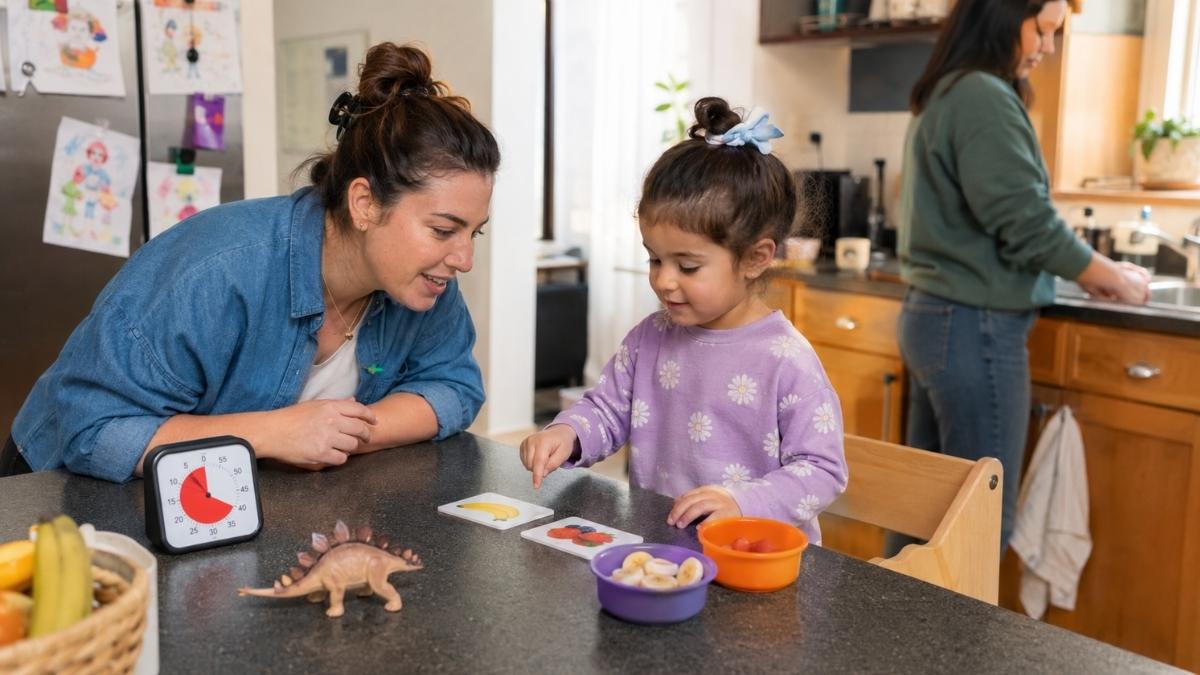
During an active session, autism focus support looks highly individualized. For example, a basic matching game might start with a goal of just 30 seconds of steady engagement. A goal for following directions might begin with one clear and simple instruction. When practicing transitions, the behavioral technician might use a visual card and a short countdown to prepare your child.
For a goal about listening, the technician tracks whether the child turns their body toward the speaker. The Cambridge Center for Behavioral Studies explains that the ideal teaching context always depends on a child's current attention, distractibility, and overall progress.
ABA Strategies That May Support Focus During Daily Routines
Many families look for ABA strategies for autism ADHD to find tools that build concentration during everyday tasks. The National Professional Development Center and National Clearinghouse on Autism Evidence and Practice identify several evidence based practices that help children stay on task.
Here are five strategies that a care team may use:
- Task Analysis. The BCBA breaks a complex activity into tiny steps so your child knows exactly what to do first, next, and last.
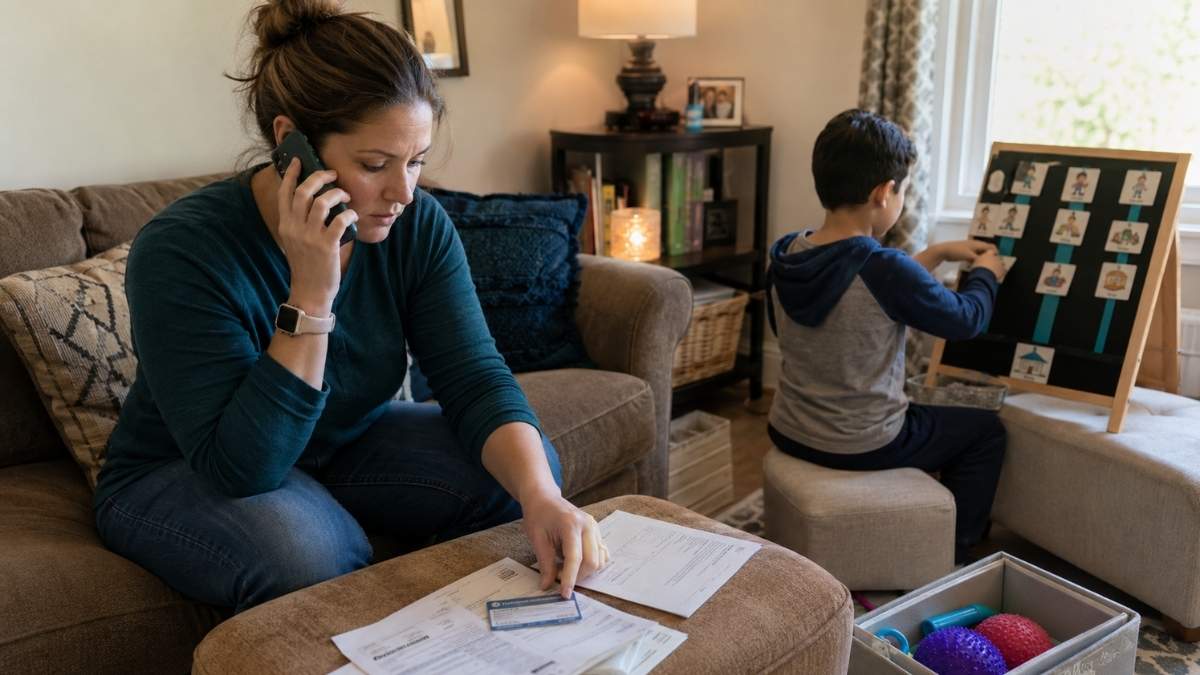
- Visual Supports. A picture schedule or a simple checklist helps your child see what comes next without needing constant verbal reminders.
- Reinforcement for On-Task Behavior. The behavioral technician rewards your child for staying with an activity or following a direction.
- Prompting and Fading. The behavioral technician starts with extra guidance and then slowly reduces that help as your child learns the skill.
- Structured Work Break Routines. A planned break helps your child know that rest is coming, which makes it easier to return to the task later.
At Aluma Care, we can help caregivers in Kansas and New Hampshire connect focus goals to everyday routines hrough in-home ABA therapy or clinic-based ABA therapy.

How Caregivers Can Support Attention Goals Between Sessions
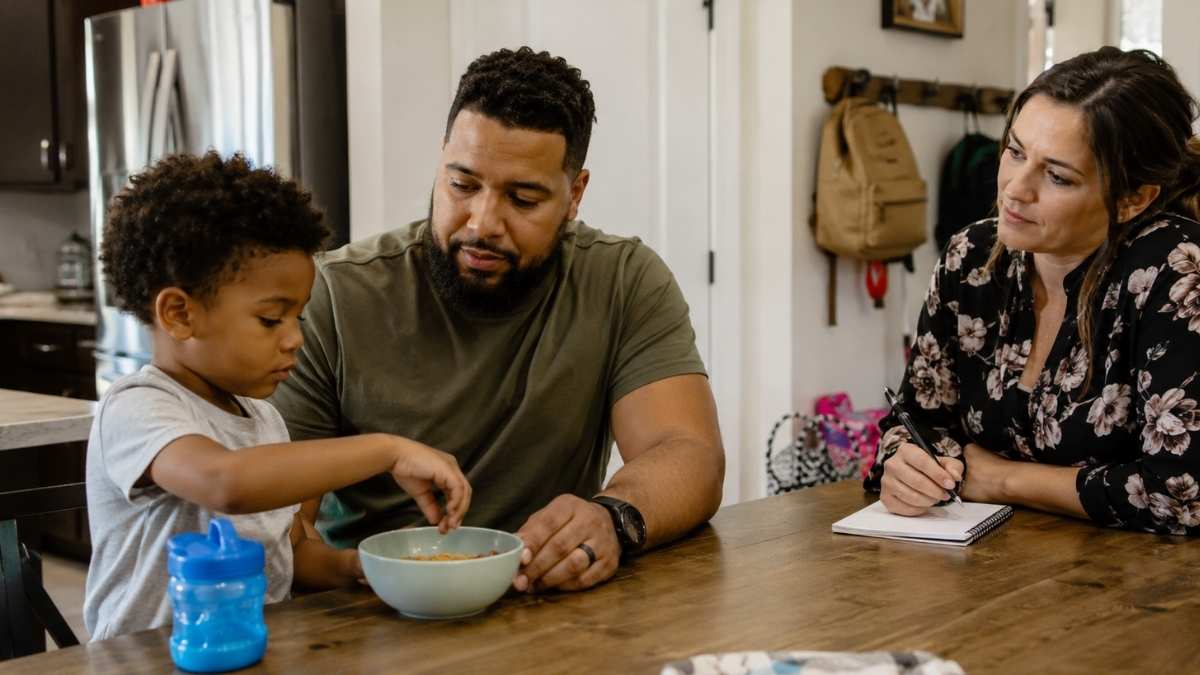
The skills learned during sessions are meant to be used in the real world. Autism focus support works best when caregivers and the BCBA talk about how attention looks during normal days. You can bring real examples to your regular caregiver training sessions.
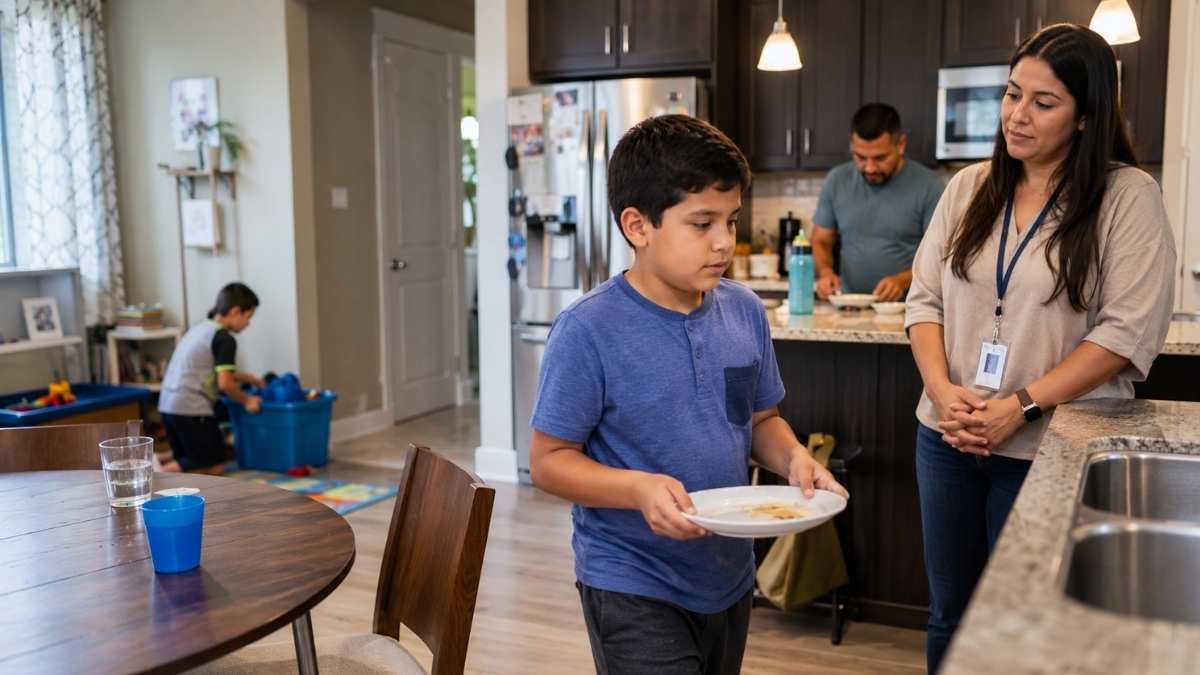
Useful examples might include routines like mealtime, getting dressed, playing with toys, cleaning up, or leaving the house. Your BCBA can explain which goals are currently active and show you how to respond consistently at home. Because caregiver training typically happens on a weekly or biweekly schedule, it is the absolute best place to share updates and ask questions about your child's progress.
How Progress With Focus Skills Is Measured
ABA teams always define a behavior clearly before they begin tracking it. Data collected may include the total minutes a child stays engaged, the number of prompts needed, or the number of completed steps. Progress looks completely different for every individual.
A small change is highly meaningful when it helps your child stay engaged longer or complete a task with less help. Families in Kansas and New Hampshire can ask how these focus goals are tracked during their regular sessions. Whether you receive services in Lawrence or services in Wichita, your team uses clear data to guide every decision.

FAQs About Autism Focus Support
How long does it take for ABA to improve attention?
ABA therapy may improve attention over several weeks or months. This timeline for autism focus support depends on your child's unique starting skills, active goals, and session schedule. Progress usually appears as small changes like longer engagement or needing fewer verbal reminders during daily household tasks.
Can ABA therapy support focus during play?
It can support focus during play by helping a child stay engaged with a specific toy or game. This form of autism focus support encourages active participation rather than forced sitting. Goals are designed to match the current skills of the child during recreational activities.
What should caregivers ask during caregiver training?
Caregivers can ask which attention goals are active during their next caregiver training session. This is an excellent time to discuss autism focus support data and what the behavioral technician practices. You can also ask how to mirror these positive techniques during normal home routines.
Talk With Your BCBA About Focus Goals
Focus and attention goals can help children with special needs stay engaged in routines that happen every day. These goals work best when they are specific, measurable, and discussed during regular caregiver training sessions.
At Aluma Care, we support families in Kansas and New Hampshire through behavior services built around each child's goals. If your child's focus and attention are areas you want to address, your BCBA can help set individualized goals during your next caregiver training session.
Call our Kansas team at +1 913 232 2003, our New Hampshire team at +1 603 903 1003, or email info@alumacare.com to get started.
────────
EDITOR’S NOTE: Content written by an outsourced marketing team. Information is for educational purposes only and does not replace professional clinical or medical advice.









.png)


.png)