

Key Points:
- A first ABA session is a low-pressure home visit focused on rapport, observation, and routine details.
- The behavioral technician follows the child’s lead, notes communication and preferences, and shares information with the BCBA.
- Caregiver input helps shape early goals and future session planning.
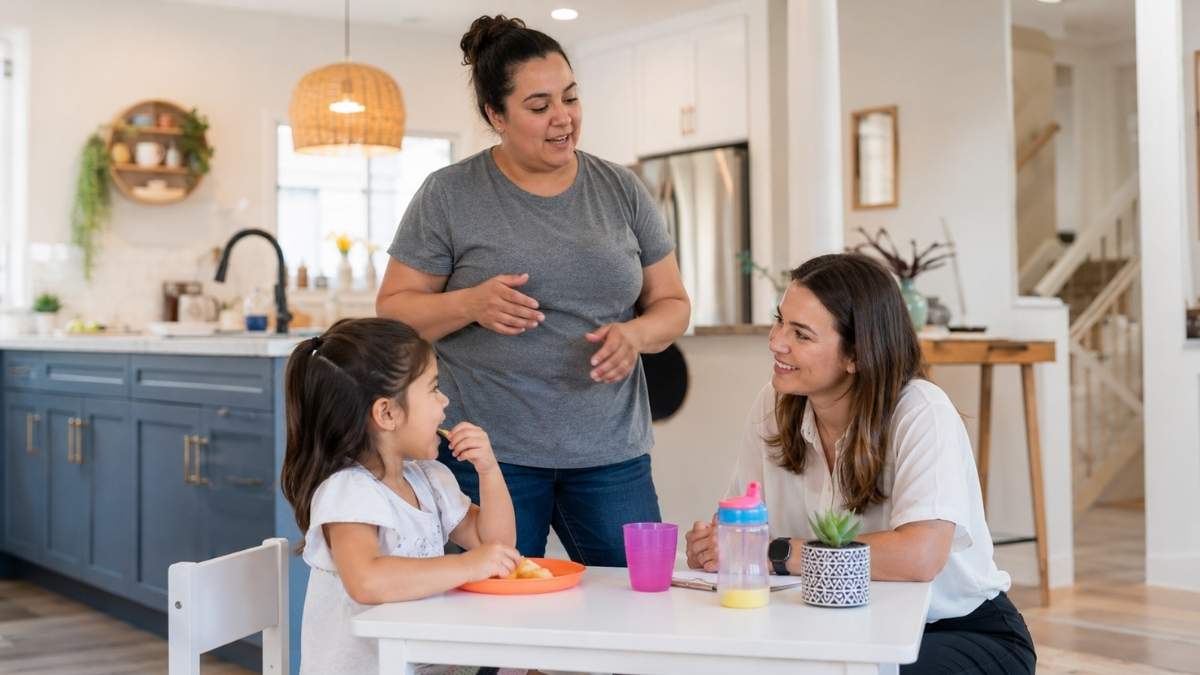
A first ABA session for a child with special needs is usually a low-pressure introduction. It is not a full day of demands or heavy teaching. The behavioral technician spends time getting to know your child. They observe routines. They gather details to help the Board Certified Behavior Analyst (BCBA) refine the plan.
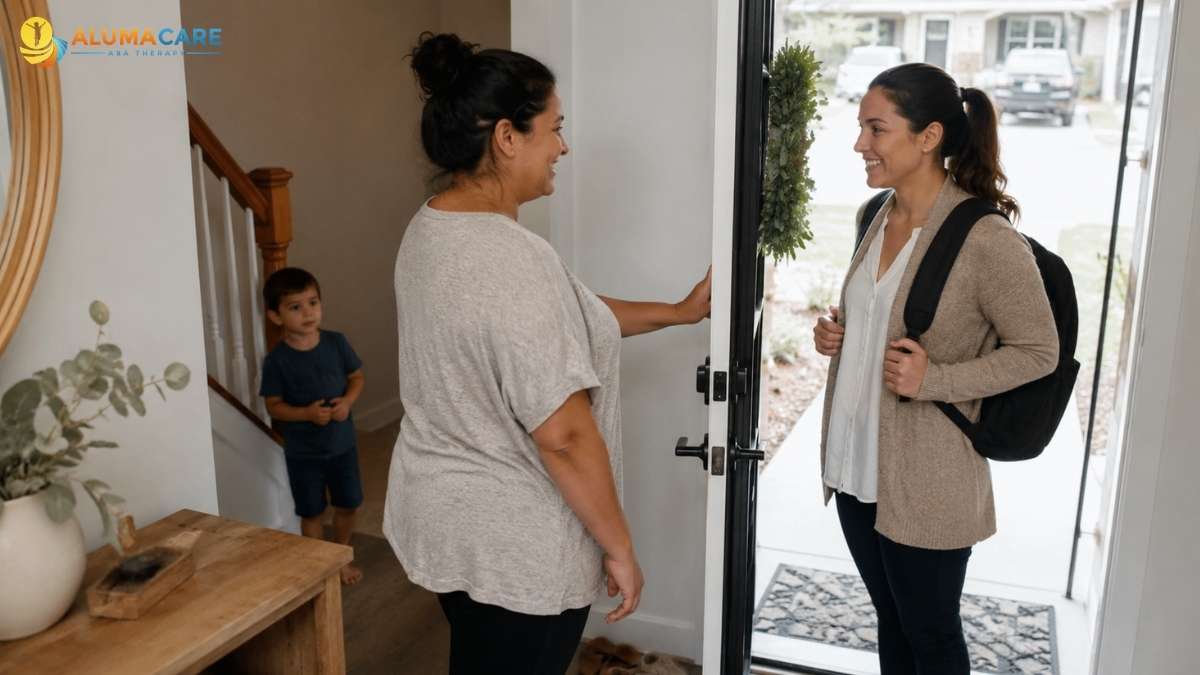
This in-home ABA therapy walkthrough explains what caregivers see during the visit, why play is part of the process, and how it fits into a broader ABA therapy overview. Knowing what to expect makes the initial knock at the door more comfortable for your family.
What the First ABA Session Is Meant To Do
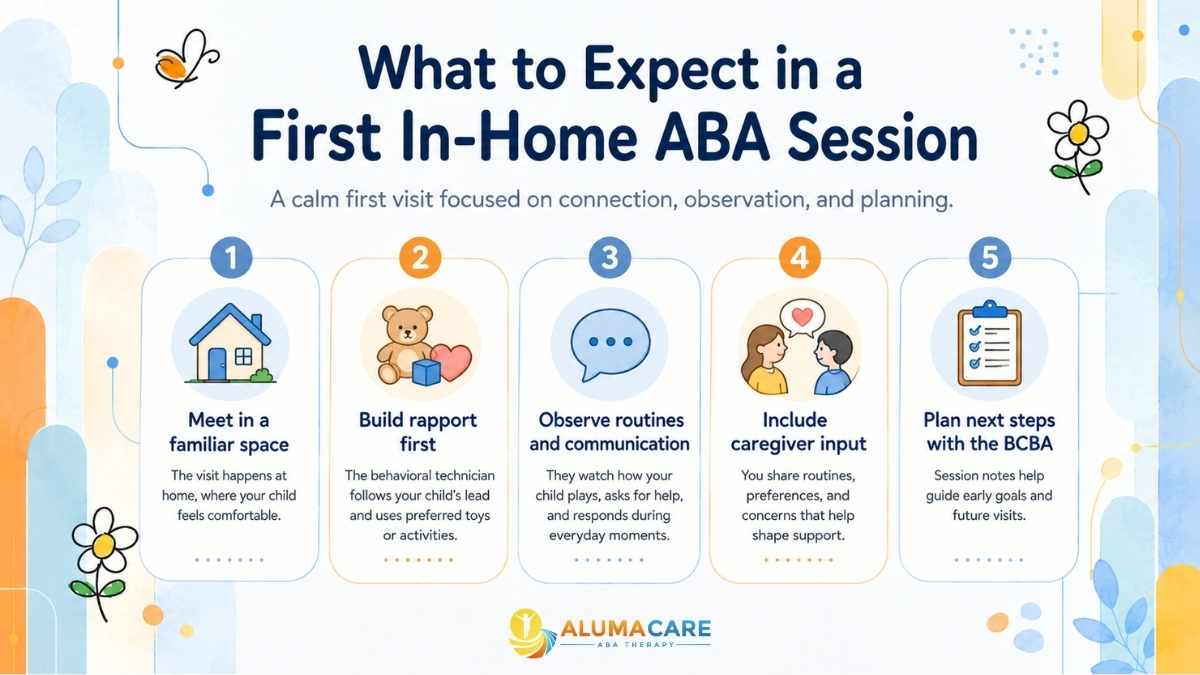
This initial visit focuses on meeting your child in their natural environment and learning your daily family routines. The behavioral technician wants to see how your child responds to a new person entering their space.
This initial visit focuses on meeting your child in their natural environment. Here’s what typically happens:
- The team wants to learn your daily family routine.
- The behavioral technician watches how your child responds to a new person.
- They will not run full skill-based targets right away. Instead, they gather practical observations.
- The BCBA uses these first session notes to refine early goals and shape how the ABA assessment process supports future visits.
ABA is based on behavior, learning, and the setting around the child. The Behavior Analyst Certification Board describes behavior analysis as the science of behavior, with ABA techniques often using positive reinforcement to teach more effective ways of behaving. At home, the team can see what happens during real routines, not a staged clinic activity.
How the Behavioral Technician May Start With Rapport and Observation
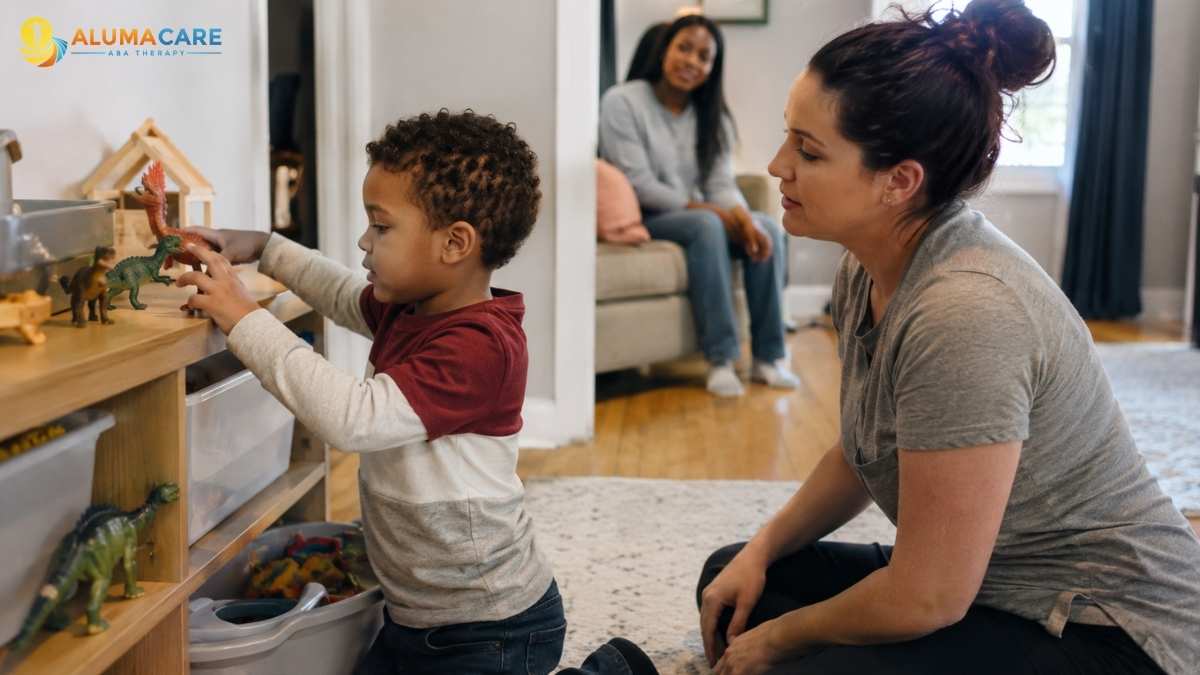
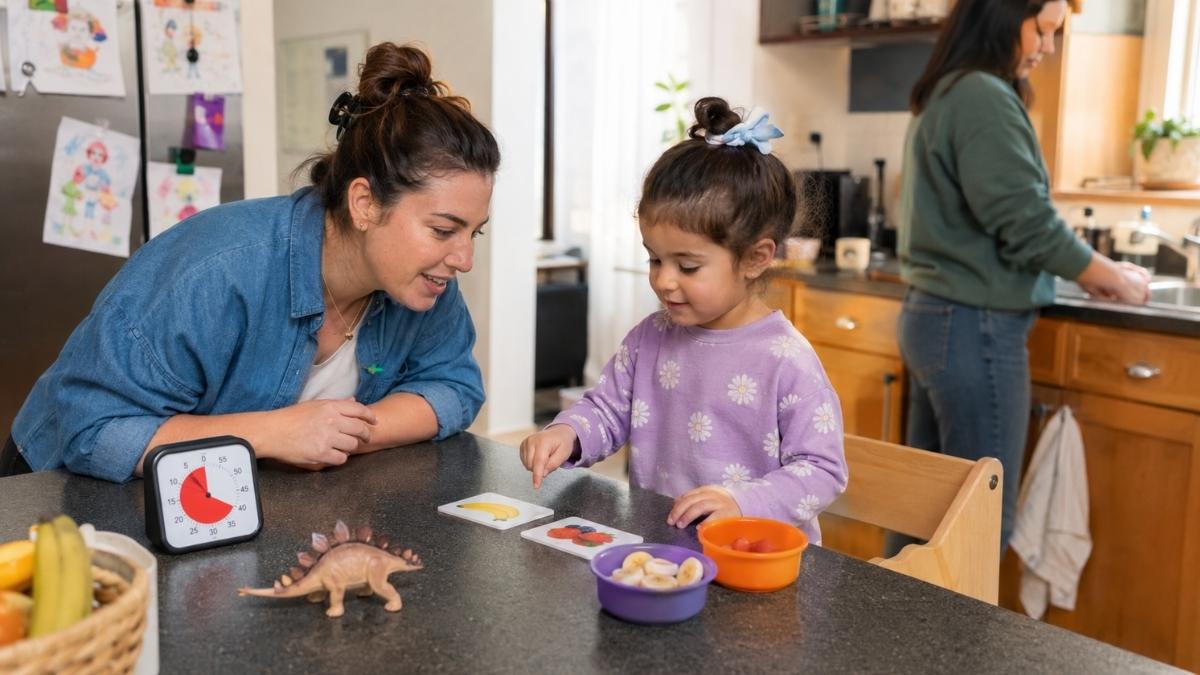
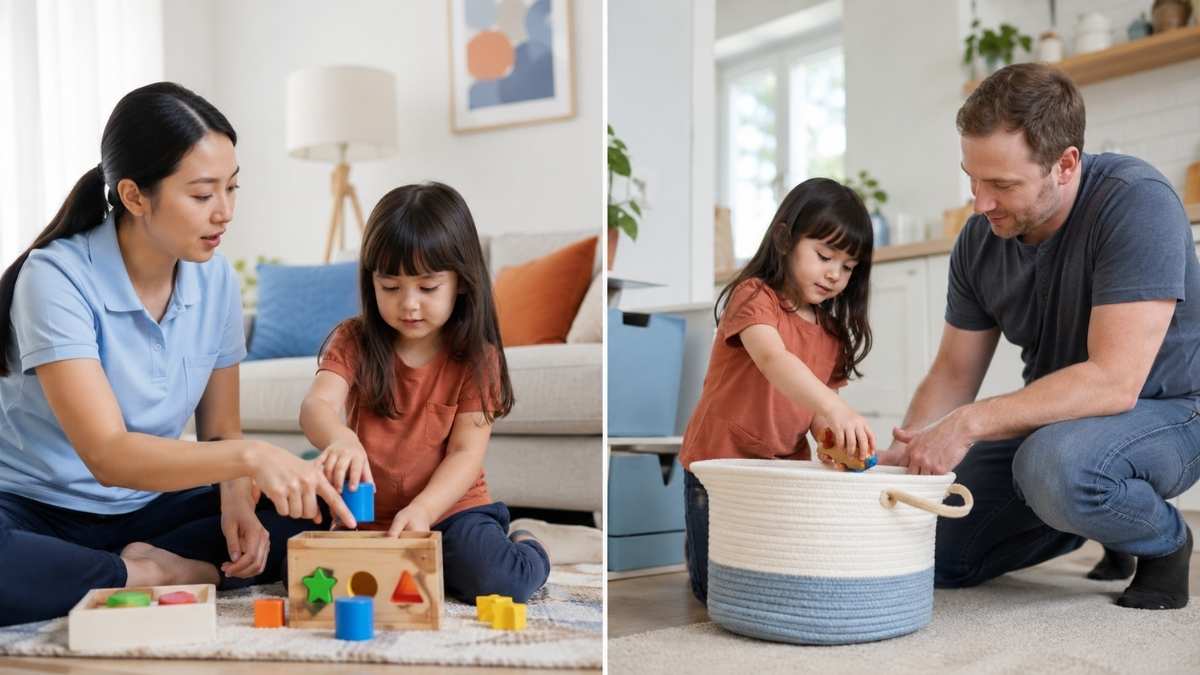
How do providers encourage a child to participate? They start by pairing themselves with things your child already loves. The behavioral technician follows your child's lead. They use favorite toys to build a strong bond. This rapport building process connects the provider with positive experiences.
During these interactions, the technician observes how your child communicates. They watch how your child interacts with their surroundings. They look at whether your child uses vocal speech, gestures, signs, electronic devices, or behavior to express needs.
They specifically track:
- What your child chooses first
- How your child asks for help or items
- Which activities hold attention
- Which parts of the home routine are easy or hard
- How your child responds when the behavioral technician joins play
What the Team May Learn From a Child Behavior Assessment at Home
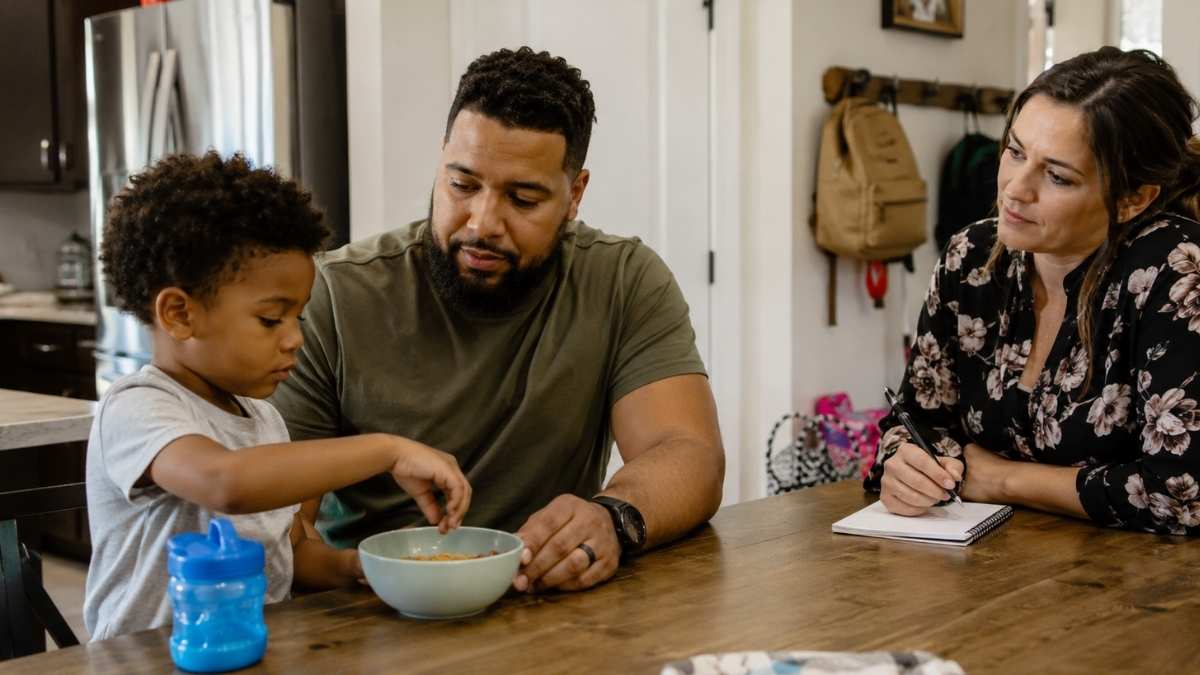
Many caregivers worry that their child is being tested or judged during the initial visit. In reality, a child behavior assessment during this opening visit is just informal observation, not a rigid or separate evaluation. The behavioral technician focuses on collecting detailed notes for the BCBA rather than administering formal tests.
By watching your child in their usual environment, the BCBA identifies clear skill strengths, support needs, and highly preferred items. They also note how your daily routines affect learning opportunities. This real world context is vital because ABA skill development starts with small, practical goals tied directly to daily life.
The focus is never on fixing behavior. Instead, the team works to support learning, build skills, and reduce barriers to participation. This careful approach helps your child learn how to safely participate in family life across ABA therapy locations, whether you are shopping in Kansas or running errands in New Hampshire.
Questions to Ask During Your First ABA Session
Caregivers can ask these simple questions during or after the visit:
- What should I do while you work with my child?
- How will the BCBA use today's notes?
- When will caregiver coaching happen?
- What skills are you watching for first?
- How will progress be shared?
How Caregiver Coaching Fits Into the First Visit
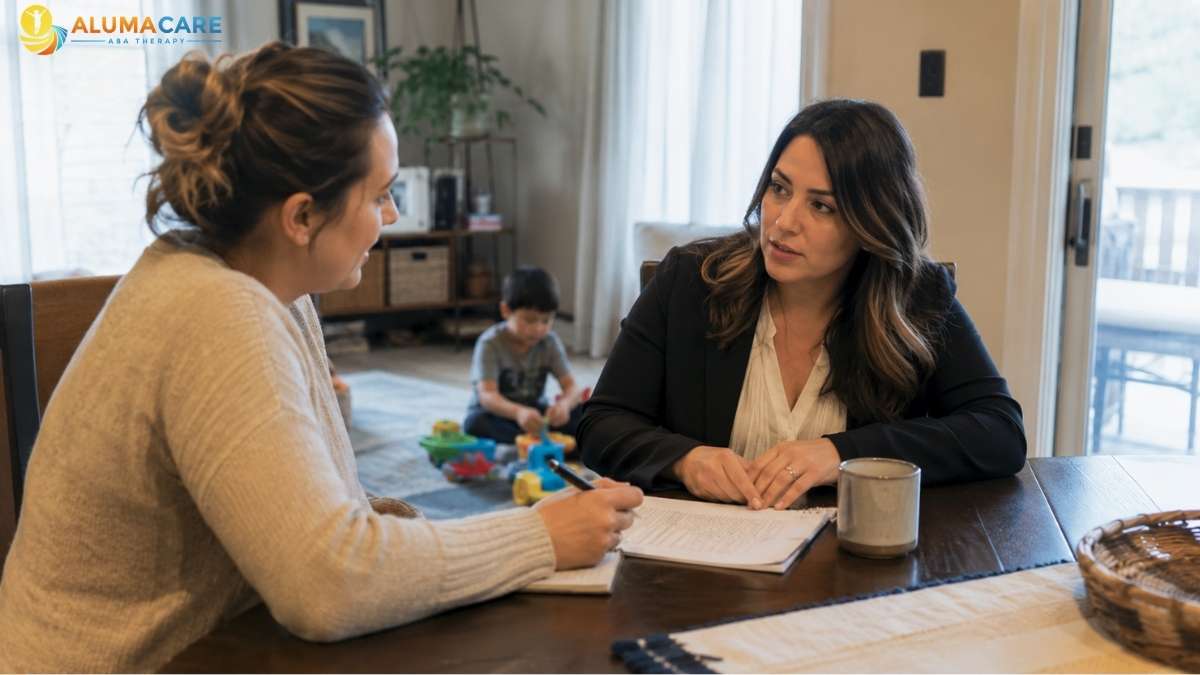
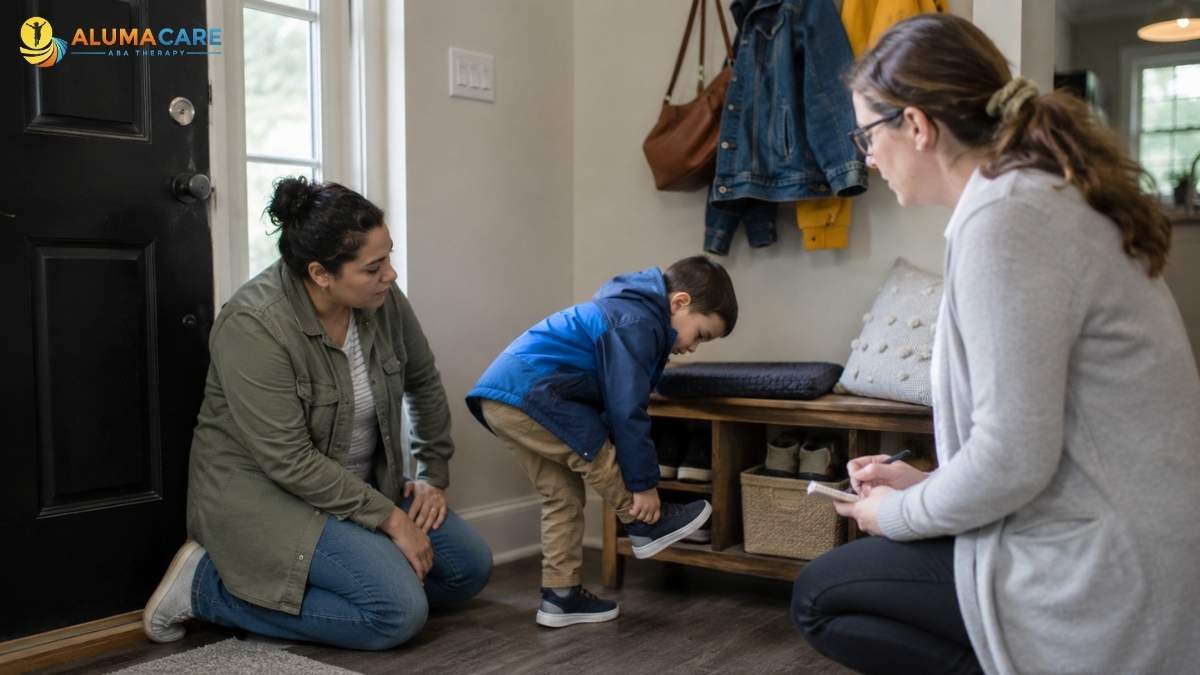
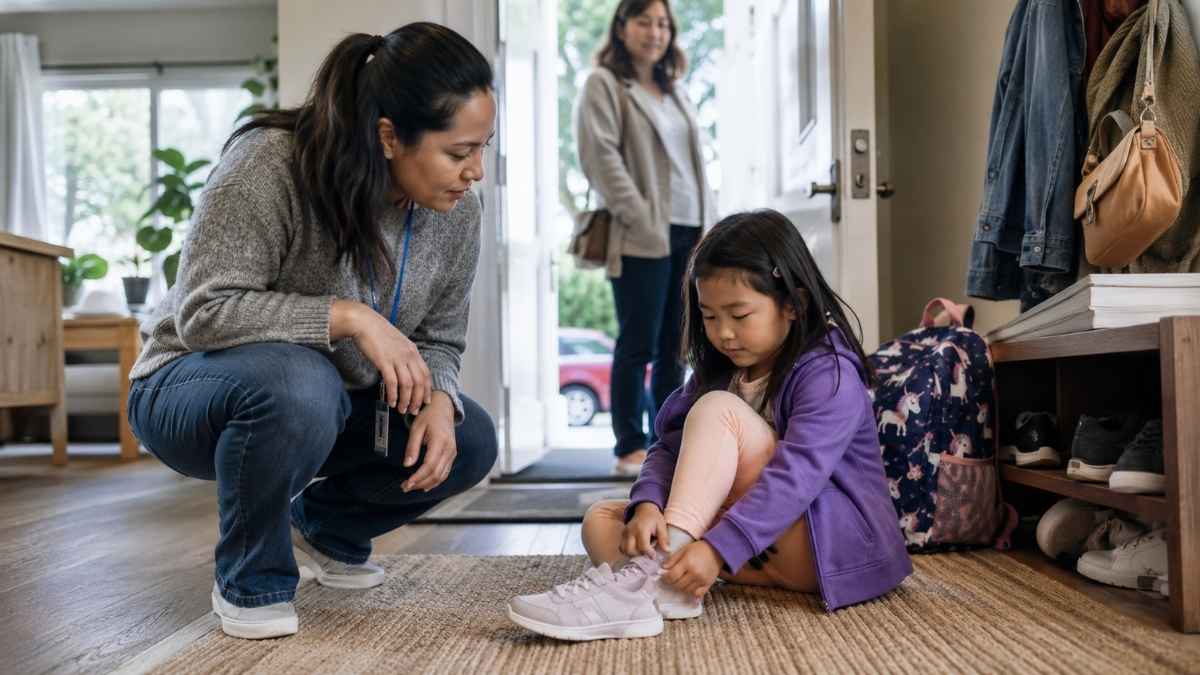
So what does that look like at home? You should not feel forced to perform or take over the session. Instead, the team relies on you for details about routines, preferences, communication, safety concerns, and what has helped before.
Effective ABA home support works best when caregivers understand what the team is practicing and why. Caregiver coaching involves active participation, not sitting in the room without direction. This coaching happens during scheduled caregiver training sessions, often weekly or biweekly.
You will communicate directly with your BCBA during these meetings. It is the best place to ask progress questions. You will learn new support strategies together.
During the first visit, you can help by doing the following:
- Share routines that affect the session.
- Point out preferred items or activities.
- Ask when to observe and when to step back.
- Save strategy questions for the BCBA coaching session.
At Aluma Care, we use caregiver coaching to connect ABA sessions with daily routines at home. Feel free to ask our team how your BCBA will share progress updates, explain early goals, and help you know when to observe, when to participate, and when to let the behavioral technician lead during these early visits.
What ABA Session Planning May Look Like After the Visit
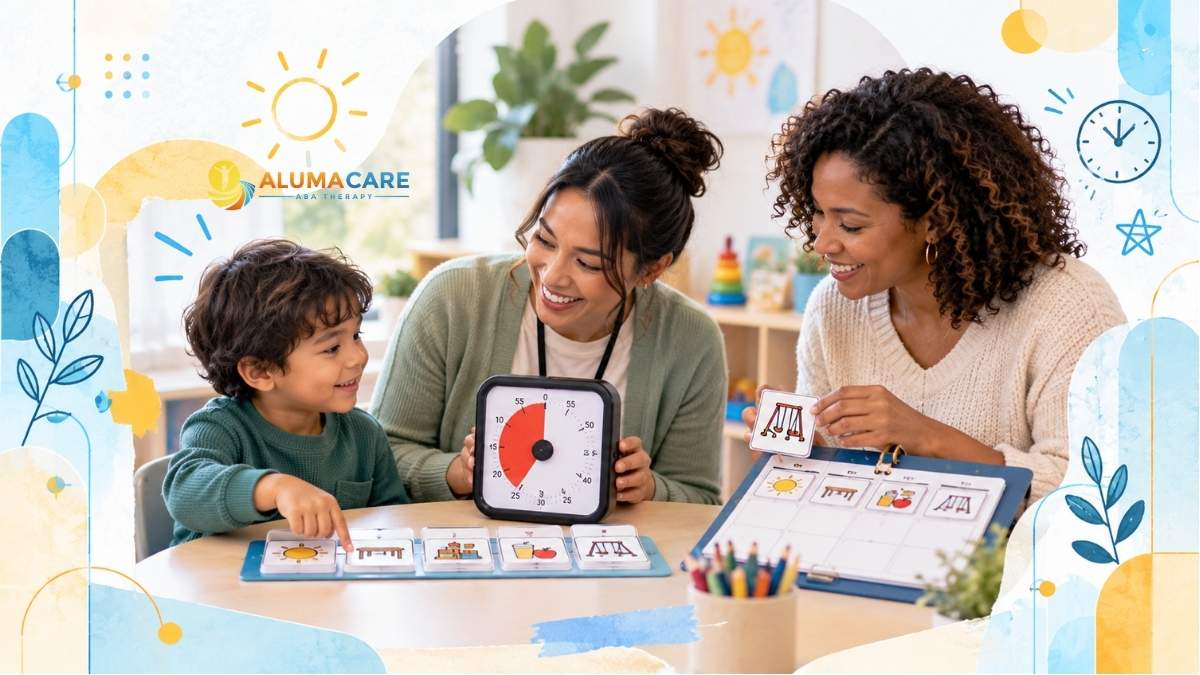
Once the first visit concludes, the formal process of ABA session planning begins. The BCBA reviews the behavioral technician's notes, checks skill priorities from the ABA assessment, and decides how to start early learning goals. Specialized pediatric ABA programs begin with short teaching moments placed directly inside familiar routines. Snack time is a common example.
Depending on your child's specific plan, early intervention ABA may focus on communication. It can focus on play or waiting. Instead of guaranteed results, expected ABA therapy outcomes focus on clear, tracked progress.
This model keeps every goal based on real data, including notes, counts, and regular skill checks reviewed by the BCBA. This structured approach tracks and measures progress while teaching daily skills.
FAQs About the First ABA Session
Does a caregiver need to prepare toys or materials?
Please ask your BCBA. Initial visits almost always require a special setup because the team needs a variety of specific items and activities ready and available. Caregivers should talk directly to the BCBA about these preparations.
Can another caregiver attend the first session?
Yes, another caregiver can attend if they provide daily support. Just ask your BCBA before the visit. This step keeps the environment calm. It allows the behavioral technician to observe your child clearly. It ensures the session remains useful without extra distractions in the room.
What if the session time does not fit the child's routine?
Inform your BCBA if the timing causes difficulties. The team can review schedule options or session lengths. Building a consistent, safe rhythm that fits your daily routine is a top priority for long-term success.
Start In-Home ABA Support With a Clear First Step
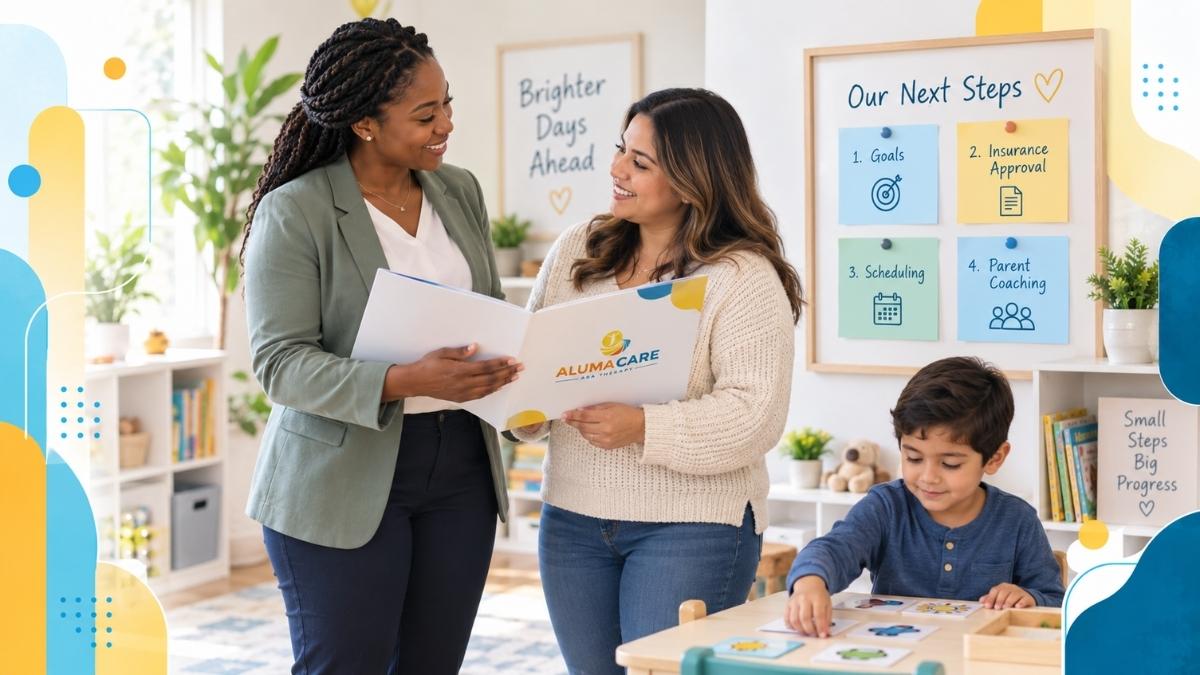
The first visit should help your child meet the behavioral technician, establish familiar routines, and provide your BCBA with clearer details for early session planning.
At Aluma Care, we provide in-home ABA support across Kansas and New Hampshire. Call Kansas at +1 913-232-2003 or New Hampshire at +1 603-903-1003, or submit the contact form, so our team can review your child’s needs, schedule options, and next steps.
────────
EDITOR’S NOTE: Content written by an outsourced marketing team. Information is for educational purposes only and does not replace professional clinical or medical advice.







.png)


.png)