


Key Points:
- ABA coping skills teach children safer ways to handle frustration, waiting, and changes in routine.
- Therapy may include break cards, timers, calm-down steps, and practice during daily activities.
- Progress appears when children use these skills across people, places, and home routines.
The TV shuts off because screen time ended. Maybe a favorite snack is a few minutes late. For a lot of kids with special needs, these little moments bring big frustration. Your child might cry, walk away, or just freeze up when plans change.
That is where ABA coping skills come in. This approach teaches kids safe ways to handle the unexpected. Instead of getting upset, your child practices specific actions during ABA therapy services. This guide breaks down those exact skills. They might learn to ask for a break, wait with a timer, or use a calm-down routine.

What ABA Coping Skills Can Look Like During Therapy
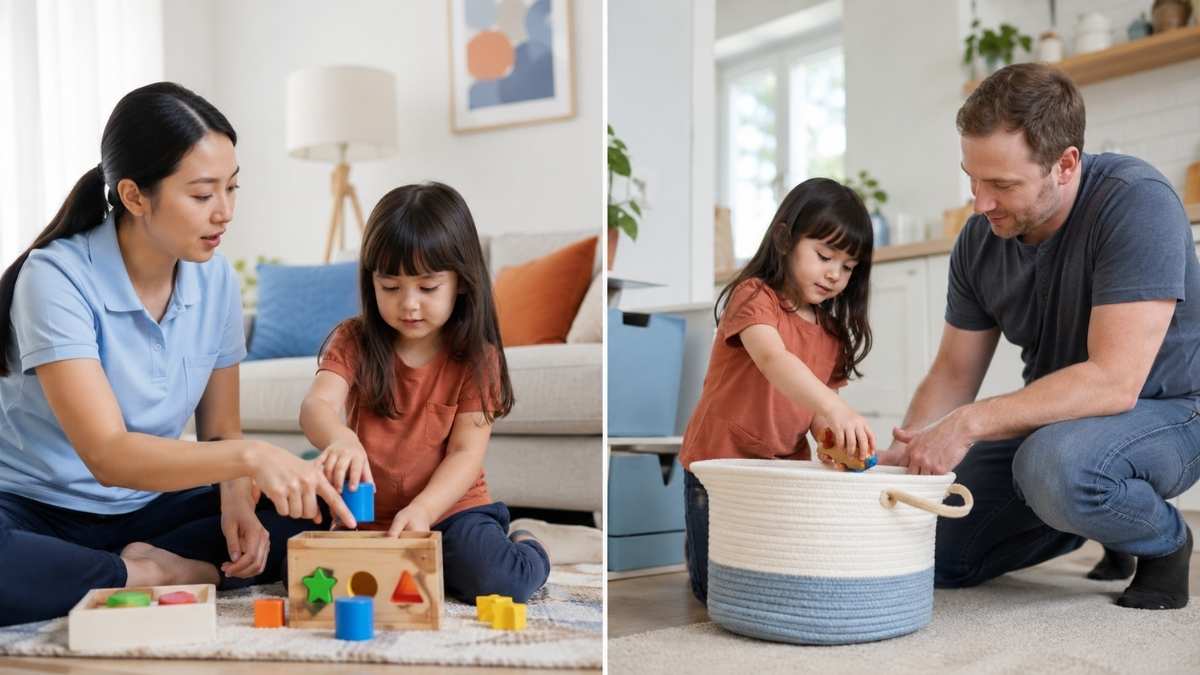
ABA therapy teaches coping skills in small, doable steps. Children practice them during everyday routines. A child may learn to pause, ask for help, or request a break. They may also wait with a timer or follow a short checklist before joining back in. These coping strategies give children with autism and other special needs clear tools for hard moments.
Common skills practiced in sessions include:
- Requesting a break: A child may use a picture card, gesture, device, or short phrase to get a pause.
- Waiting for a preferred item: A child may practice short waits before working up to longer ones.
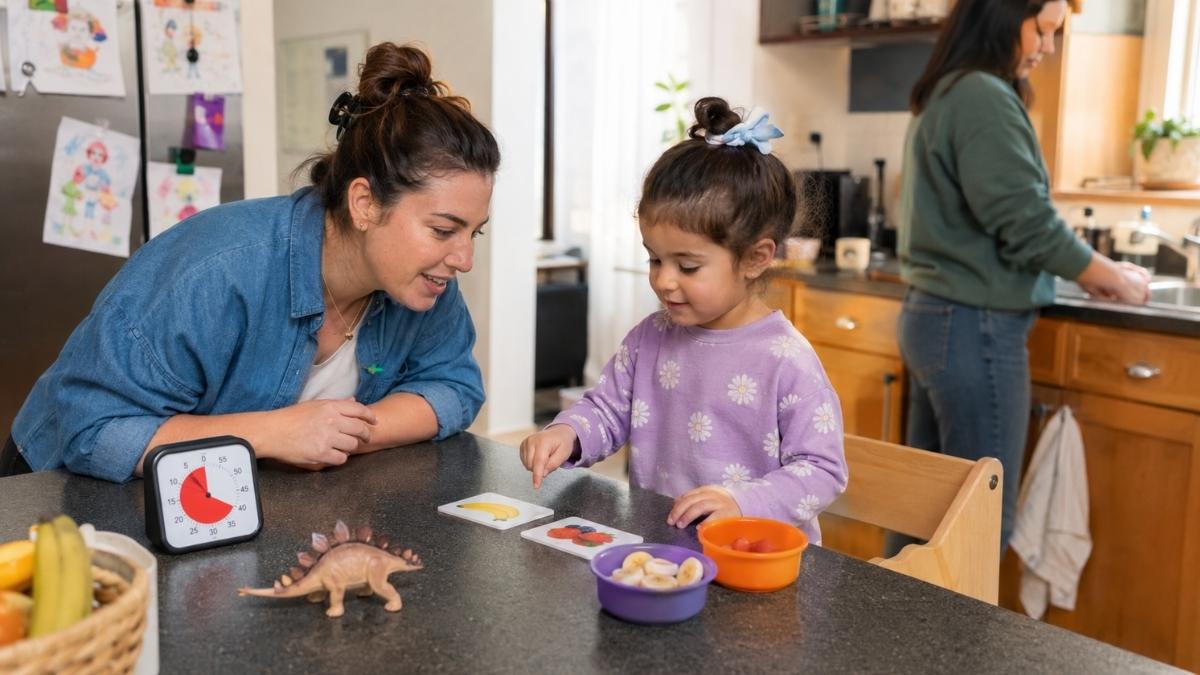
- Using a visual timer: A child may look at a clock to see when an activity will end.
- Following a calm-down sequence: A child may move through two or three practiced actions.
- Handling small changes: A child may practice what to do when plans shift.
Why Coping Goals Start With Assessment
Each child communicates in their own way, so one goal list will not fit everyone. A Board Certified Behavior Analyst (BCBA) sets goals after reviewing the child’s needs, routines, communication style, and caregiver concerns.
During the assessment, the BCBA reviews several areas:
- When the child struggles most during the day
- What communication skills they can already use
- What support works best during therapy sessions
- What caregivers notice at home during hard moments
- Which skills would be most useful for the family first

Coping Behaviors Your Child May Practice Across Daily Routines
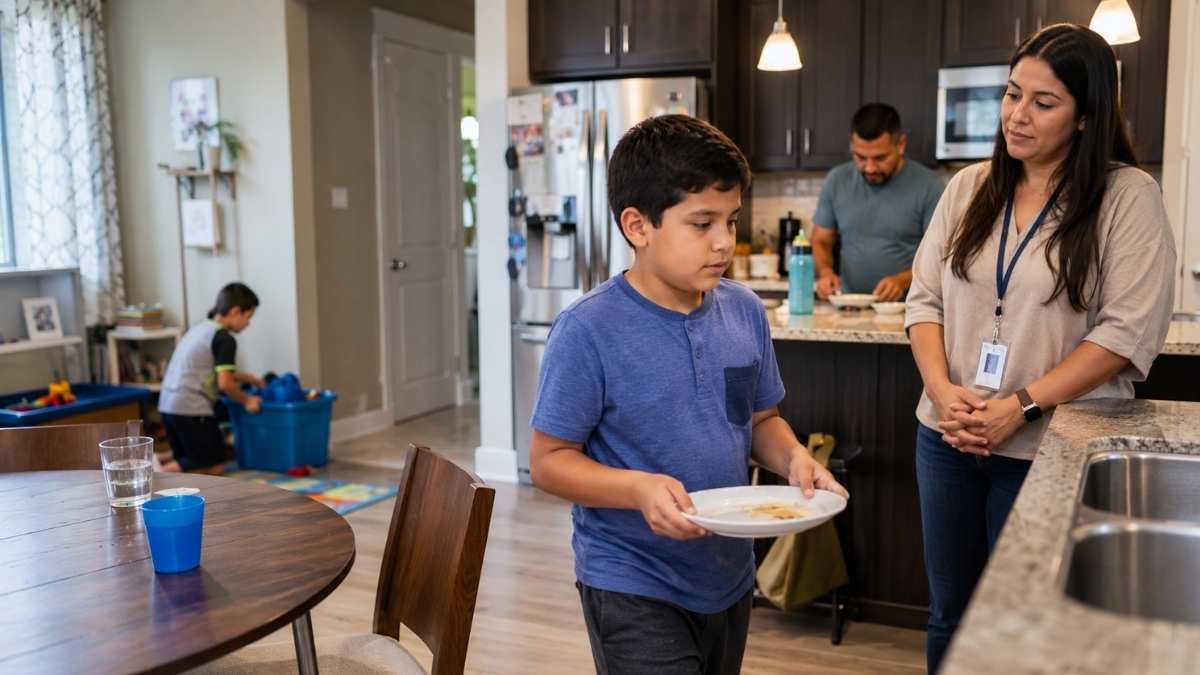
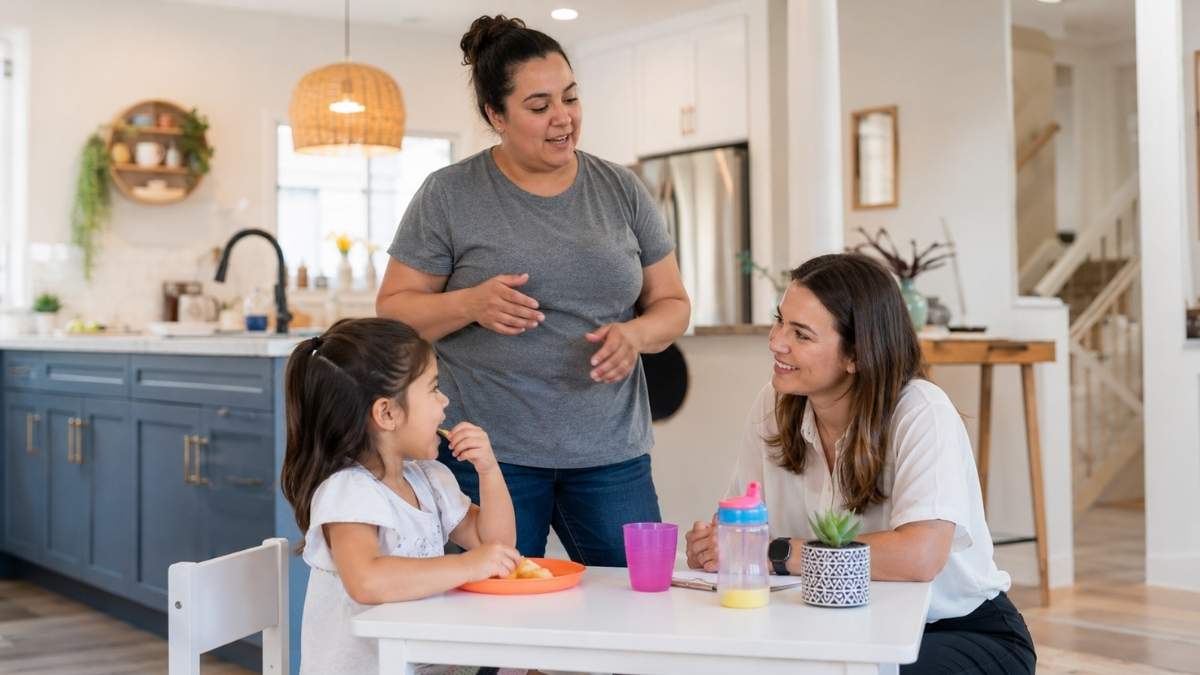
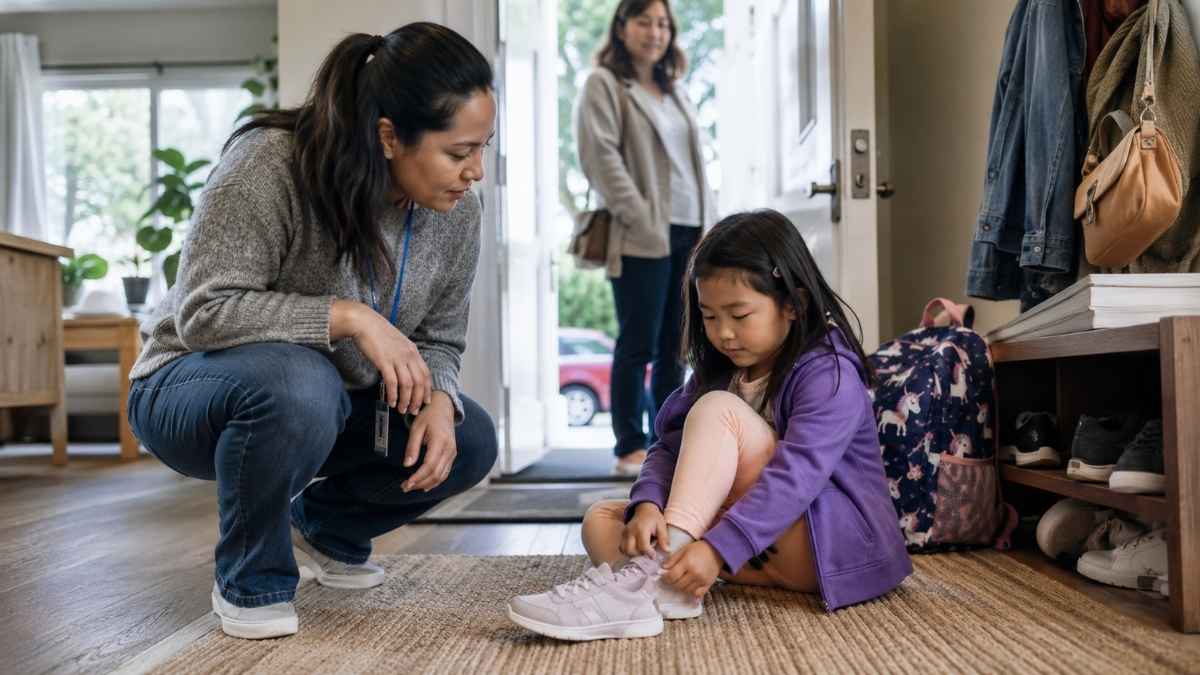
Children practice these behaviors throughout the day until they feel more natural. A behavior technician may work on a goal during playtime, snack time, or dressing. If a child gets frustrated while putting on shoes during in-home ABA therapy, the behavior technician may prompt them to use a break card. During a snack delay, the child may practice waiting a few seconds before getting juice. Clean-up time or leaving a favorite activity can also give the child a chance to practice.
ABA Coping Skills Caregivers Can Watch for at Home
Progress often starts small. Look for these signs at home:
- The child pauses before leaving a preferred activity.
- The child gives a break card instead of dropping to the floor.
- The child checks a timer before asking again.
- The child completes one more step before taking a pause.
- The child accepts a small routine change with fewer prompts.
Progress may be uneven at first. A child may use the skill in a clinic before using it at home.
How Sessions May Teach Waiting, Breaks, and Routine Changes
Coping behaviors are practiced in short, structured moments during therapy. A behavioral technician sets up a task, provides a prompt, rewards the expected response, and reduces support over time under BCBA oversight. This careful process helps children learn that using a coping skill gets their needs met quickly and safely.
Sessions use specific teaching tools:
- Short practice windows to keep stress low
- Visual cues that show what comes next
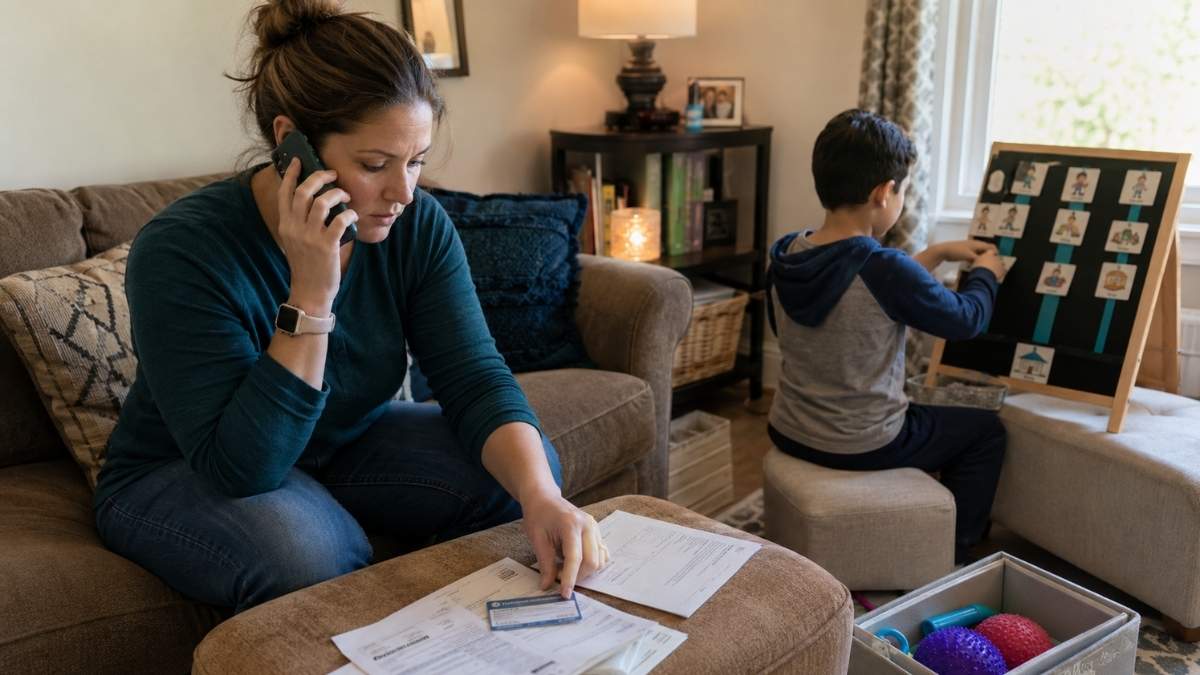
- First-then boards to clear up expectations
- Break cards to make asking for a pause simple
- Timers to show exactly how long to wait
- Praise or access to a preferred item after the child uses the target skill
Research on functional communication and delay tolerance supports this type of practice. Children often need structured practice after learning a request, especially when the answer is "wait" or "not yet."
How Caregivers May Know Skills Are Carrying Over
A skill is carrying over when your child starts using it outside the original teaching moment. This means the child uses the skill in new places, with different people, and during different tasks.
Possible signs include:
- The child uses the same break response with a caregiver.
- The child waits longer in a home routine than before.
- The child needs fewer prompts to stay calm.
- The child returns to the task faster after a pause.
- The child uses the skill with different people or materials.
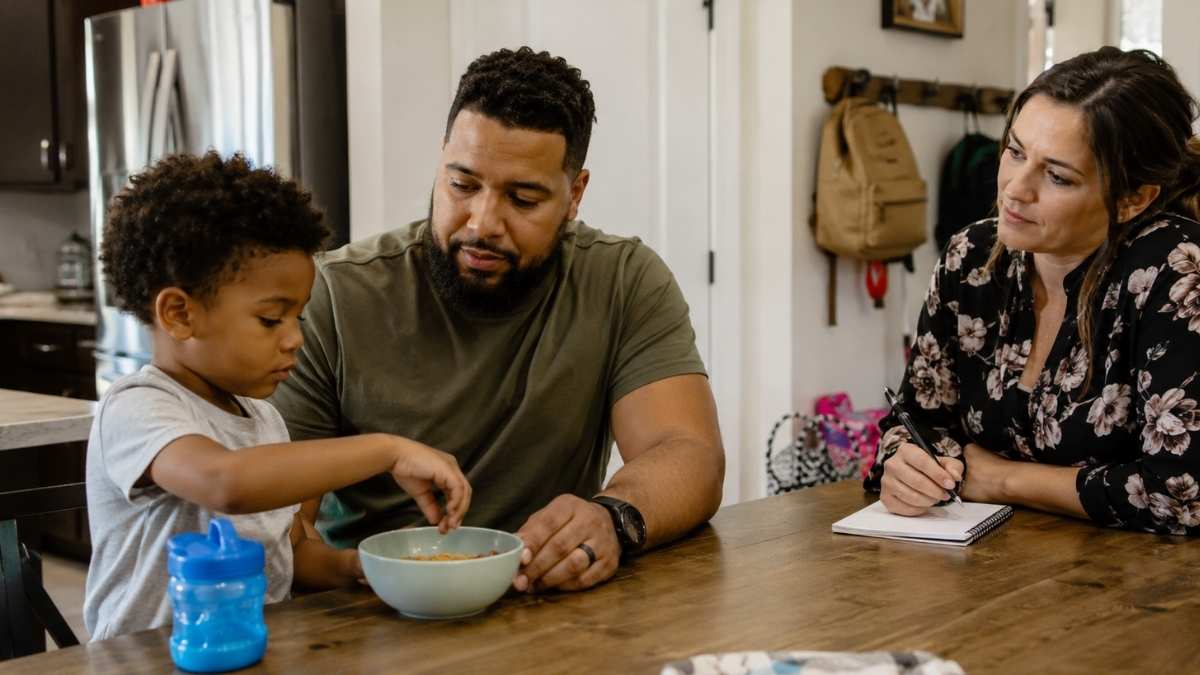
Families can discuss these observations during regular caregiver ABA training sessions, often weekly or biweekly, depending on the care plan. These meetings are the best place to share progress updates and learn new home support strategies from your BCBA.
Practice the Skill With Your BCBA’s Support
At Aluma Care, we can help caregivers in Kansas and New Hampshire understand which coping behaviors are being practiced during sessions and what to watch for at home. The next step is to ask the BCBA which coping goal is active, what prompt to use, and what counts as progress.
Working together helps your child experience the same helpful support across different settings. Your BCBA can guide you through simple ways to mirror therapy practices during your daily family routines. This regular collaboration makes it easier for your child to practice waiting, using visual timers, or holding a break card when they are at home with you.

FAQs About ABA Coping Skills
Can ABA coping skills work for a non-vocal child?
ABA coping skills can absolutely work for a non-vocal child by using picture cards, gestures, or speech devices. The skill does not need to be spoken to be effective. The care team chooses a safe response that the child can use consistently during their regular daily routines.
How long does it take to learn ABA coping skills?
ABA coping skills can take several weeks or months to build. Timing depends on the child and the goal. Some children learn a new response quickly but need more time to use it with different people, routines, and settings. Regular practice can help the skill grow faster.
What should caregivers ask during training sessions?
Caregivers can ask which skills are currently being targeted, what the prompt looks like, and how progress is being measured. You can also ask what details to write down at home when your child uses the skill outside of their regular therapy sessions.
Focus on Your Child's Next Coping Goal
Coping skills may start small, such as waiting for a few seconds, handing over a break card, or following a short visual routine. Over time, those small responses may give caregivers clearer ways to support hard moments at home.
At Aluma Care, we support families in Kansas and New Hampshire through ABA services, caregiver support, and regular communication with the care team. Our licensed professionals are ready to help you identify the best milestones to success for your child.
Call +1 913-232-2003 for Kansas, +1 603-903-1003 for New Hampshire, or email info@alumacare.com to ask what coping skills your child may be ready to practice next.
────────
EDITOR’S NOTE: Content written by an outsourced marketing team. Information is for educational purposes only and does not replace professional clinical or medical advice.







.png)


.png)